
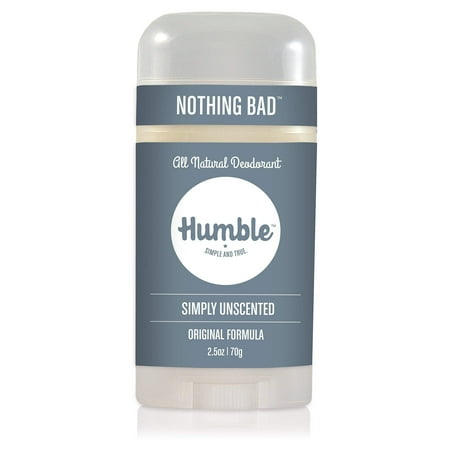
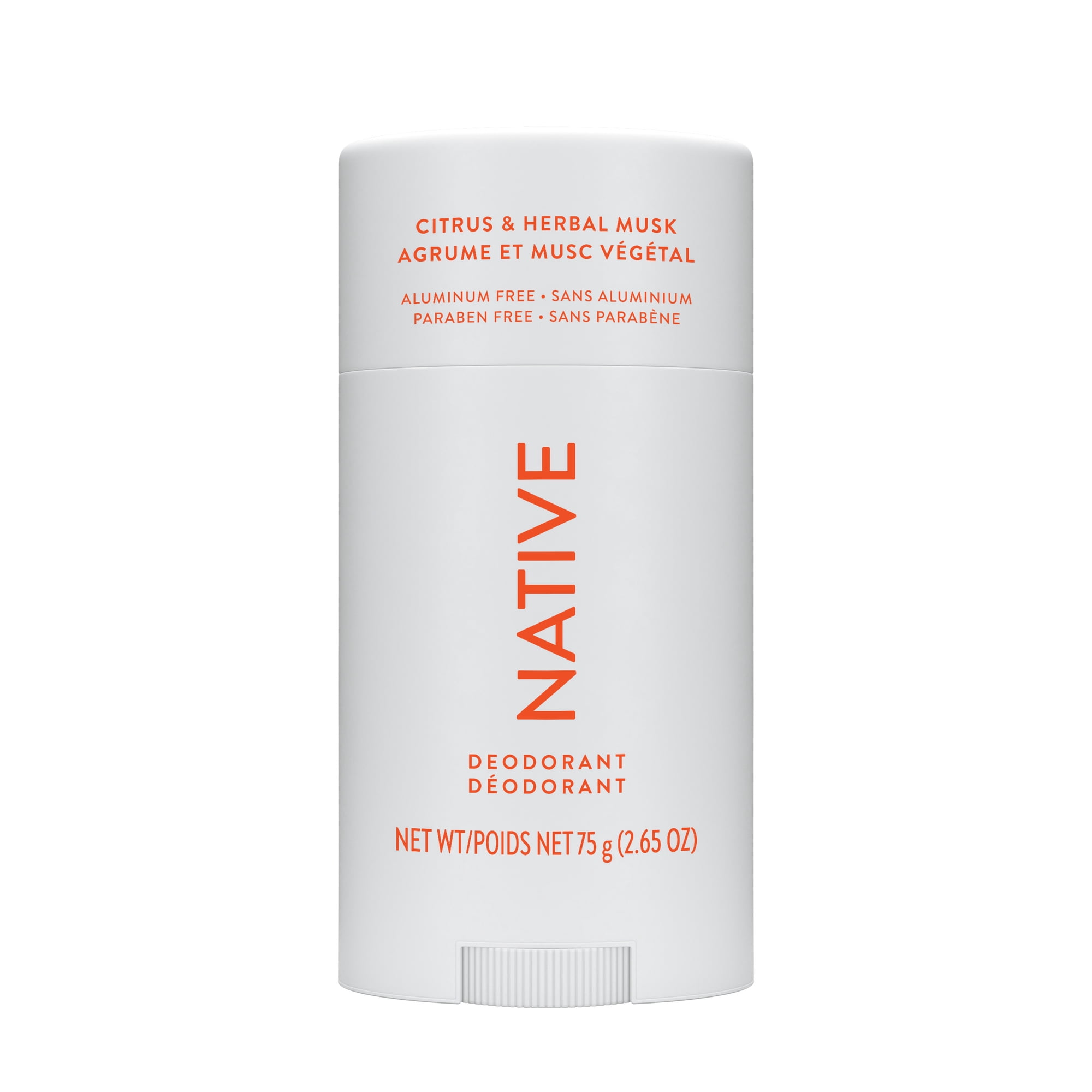
Humble Brands Original Formula Aluminum Free Deodorant Simply Unscented 2.5oz
Summary
This deodorant is aluminum-free and avoids synthetic chemicals, which are common concerns in this category. It uses natural ingredients for odor control, contributing to a cleaner label and safer profile. The product is processed, but the absence of harmful additives and reliance on natural components supports a high score.
At a glance
Key ingredients 16
MCT oil
MCT oil is a medium-chain triglyceride derived from coconut oil, known for its moisturizing properties. It helps to nourish and protect the skin, making it a beneficial addition to personal care products. Its lightweight nature allows for easy absorption without leaving a greasy residue.
Risks
There are minimal risks associated with MCT oil, though some individuals may experience mild irritation.
Benefits
MCT oil is beneficial for its hydrating and skin-softening properties, making it ideal for sensitive skin.
Beeswax
Beeswax is a natural wax produced by honeybees and is used in cosmetics for its emollient properties. It forms a protective barrier on the skin, helping to lock in moisture. Additionally, it provides a smooth texture to products, enhancing application.
Risks
Beeswax is generally safe, but it may cause allergic reactions in individuals sensitive to bee products.
Benefits
Beeswax is beneficial for its ability to moisturize and protect the skin, making it a valuable ingredient in skincare formulations.
Non-GMO Cornstarch
Non-GMO cornstarch is used in deodorants for its moisture-absorbing properties. It helps to keep the skin dry by absorbing sweat, thus reducing odor. Being non-GMO ensures that it is free from genetically modified organisms, aligning with clean-label preferences.
Risks
Cornstarch is generally safe, but excessive use may lead to skin irritation in some individuals.
Benefits
Cornstarch is beneficial for its natural moisture-absorbing capabilities, contributing to a dry and comfortable feel.
Baking Soda
Baking soda is a common ingredient in natural deodorants due to its ability to neutralize odors. It works by altering the pH of the skin, making it less hospitable to odor-causing bacteria. Its effectiveness in odor control makes it a popular choice in personal care products.
Risks
Baking soda can cause skin irritation or rash in some individuals, especially those with sensitive skin.
Benefits
Baking soda is beneficial for its powerful odor-neutralizing properties, making it effective in maintaining freshness.
Caprylic/Capric Triglyceride
Caprylic/Capric Triglyceride is derived from coconut oil and glycerin, known for its emollient properties. It helps to moisturize and condition the skin, providing a silky feel. Its stability and non-greasy texture make it a popular choice in skincare formulations.
Risks
This ingredient is generally considered safe, with low risk of irritation or allergic reactions.
Benefits
Caprylic/Capric Triglyceride is beneficial for its moisturizing and skin-conditioning properties, enhancing the overall feel of the product.
Magnesium Hydroxide
Magnesium hydroxide is used in deodorants for its gentle odor-neutralizing properties. It works by raising the pH of the skin, which inhibits the growth of odor-causing bacteria. Its mild nature makes it suitable for sensitive skin types.
Risks
Magnesium hydroxide is generally safe, with minimal risk of irritation or adverse reactions.
Benefits
Magnesium hydroxide is beneficial for its effective yet gentle odor control, making it a preferred alternative to harsher ingredients.
Euphorbia Cerifera (Candelilla) Wax
Candelilla wax is a plant-based wax used as a thickening agent in cosmetics. It provides a smooth application and helps to stabilize formulations. Its vegan origin makes it a popular alternative to beeswax in vegan products.
Risks
Candelilla wax is generally safe, though it may cause mild irritation in rare cases.
Benefits
Candelilla wax is beneficial for its ability to enhance texture and stability in formulations, while being a vegan-friendly option.
Essential Oils
Essential oils are concentrated plant extracts used for their aromatic properties. They can provide natural fragrance and may offer additional skin benefits depending on the specific oils used. However, their potency requires careful formulation to avoid irritation.
Risks
Essential oils can cause skin irritation or allergic reactions, particularly in sensitive individuals.
Benefits
Essential oils are beneficial for providing natural fragrance and potential therapeutic properties, enhancing the sensory experience of the product.
Citrus Aurantium Bergamia (Bergamot) Peel Oil
Bergamot peel oil is an essential oil known for its refreshing citrus scent. It is often used in personal care products for its aromatic properties and potential antibacterial effects. However, it can increase photosensitivity, requiring caution in sun exposure.
Risks
Bergamot oil can cause photosensitivity, leading to skin irritation or burns when exposed to sunlight.
Benefits
Bergamot oil is beneficial for its pleasant scent and potential antibacterial properties, contributing to a fresh feel.
Zingiber Officinale (Ginger) Root Oil
Ginger root oil is an essential oil with a warm, spicy aroma. It is valued for its potential anti-inflammatory and antioxidant properties, which can benefit skin health. Its invigorating scent adds a unique note to personal care products.
Risks
Ginger oil can cause skin irritation or allergic reactions in sensitive individuals.
Benefits
Ginger oil is beneficial for its potential anti-inflammatory effects and distinctive aroma, enhancing the product's appeal.
Lavandula Officinalis (Lavender) Flower Oil
Lavender flower oil is an essential oil known for its calming and soothing properties. It is widely used in personal care products for its pleasant fragrance and potential skin benefits. Its antimicrobial properties can also help in reducing odor-causing bacteria.
Risks
Lavender oil can cause skin irritation or allergic reactions, particularly in sensitive individuals.
Benefits
Lavender oil is beneficial for its calming scent and antimicrobial properties, making it a valuable addition to deodorants.
Limonene
Limonene is a naturally occurring compound found in citrus oils, used for its fresh scent. It is commonly added to personal care products for its fragrance-enhancing properties. However, it can oxidize and cause skin irritation in some individuals.
Risks
Limonene can cause skin irritation or allergic reactions, especially when oxidized.
Benefits
Limonene is beneficial for its refreshing citrus scent, enhancing the fragrance profile of the product.
Linalool
Linalool is a naturally occurring terpene alcohol found in many flowers and spice plants, used for its pleasant floral scent. It is a common ingredient in personal care products for its fragrance properties. However, it can cause allergic reactions in some individuals.
Risks
Linalool can cause skin irritation or allergic reactions, particularly in sensitive individuals.
Benefits
Linalool is beneficial for its floral scent, contributing to the overall fragrance of the product.
Citral
Citral is a naturally occurring compound found in the oils of several plants, used for its strong lemon scent. It is often added to personal care products for its fragrance-enhancing properties. However, it is a known allergen and can cause skin irritation.
Risks
Citral can cause skin irritation or allergic reactions, especially in sensitive individuals.
Benefits
Citral is beneficial for its strong lemon scent, enhancing the fragrance profile of the product.
Geraniol
Geraniol is a naturally occurring monoterpenoid and alcohol found in essential oils, used for its rose-like scent. It is commonly used in personal care products for its fragrance properties. However, it is a known allergen and can cause skin irritation.
Risks
Geraniol can cause skin irritation or allergic reactions, particularly in sensitive individuals.
Benefits
Geraniol is beneficial for its pleasant floral scent, contributing to the overall fragrance of the product.
Coumarin
Coumarin is a fragrant organic chemical compound found in many plants, used for its sweet scent. It is often added to personal care products for its fragrance-enhancing properties. However, it can cause allergic reactions in some individuals.
Risks
Coumarin can cause skin irritation or allergic reactions, especially in sensitive individuals.
Benefits
Coumarin is beneficial for its sweet scent, enhancing the fragrance profile of the product.
Processing
Processed Foods
Get the full breakdown in the Scout app
Scan any product to see lab results, healthy alternatives, and your personalized analysis.
Download on theApp Store