


At a glance
Summary
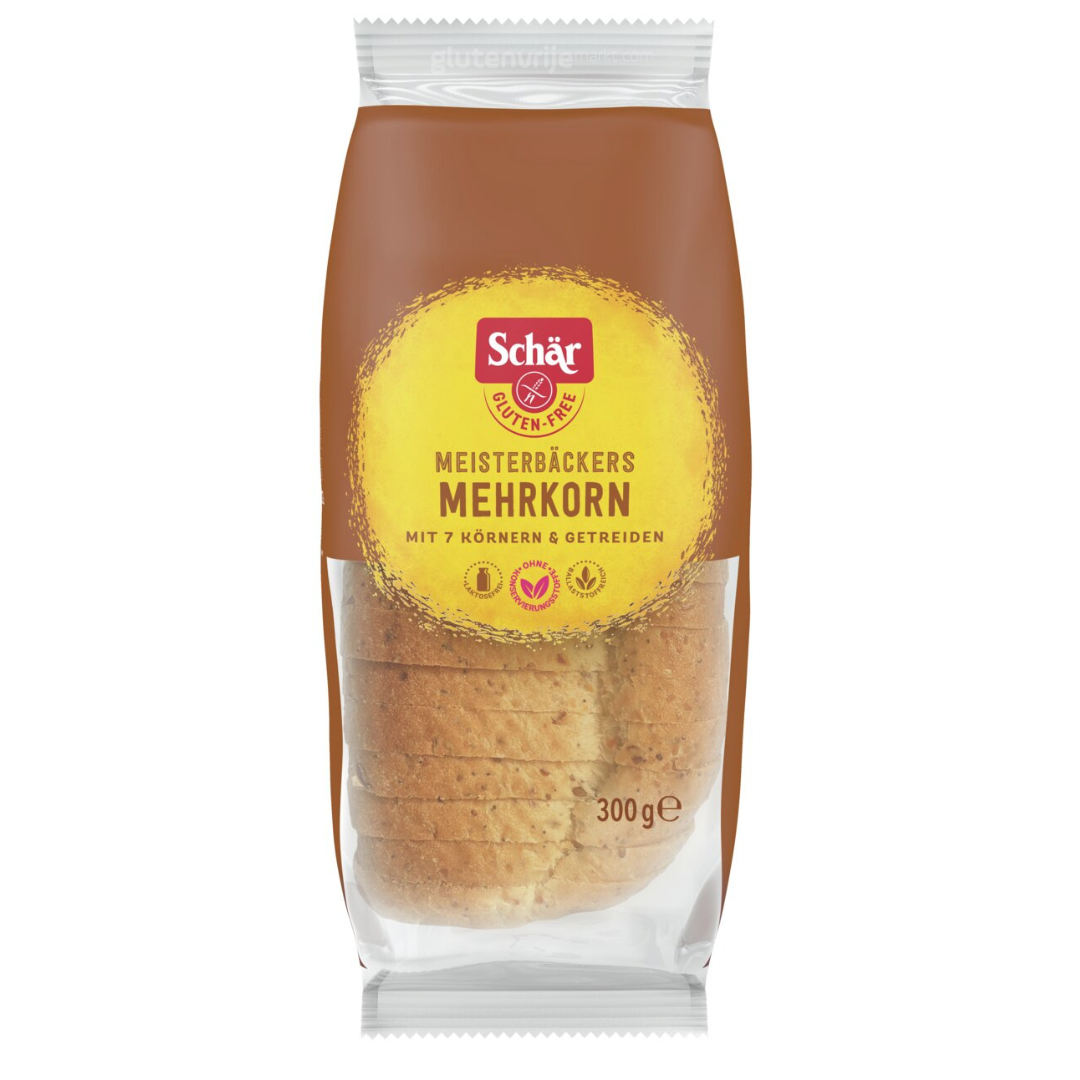
This bread contains several beneficial ingredients such as flaxseed, pumpkin seeds, and oat flakes, which contribute to its nutritional value. However, it is classified as ultra-processed due to the presence of additives like sodium acetate and ascorbic acid, which limits its overall health score. Despite the good macros and fiber content, the processing level and use of refined wheat flour impact its rating negatively.
Key ingredients 15
FlaxseedVery Good
Flaxseed is a rich source of omega-3 fatty acids, fiber, and lignans. It supports heart health and has anti-inflammatory properties. It is often used to enhance the nutritional profile of baked goods.
Benefits
Provides omega-3 fatty acids and fiber, supporting heart health and digestion.
Pumpkin seedsVery Good
Pumpkin seeds are nutrient-dense, providing healthy fats, protein, and minerals like magnesium and zinc. They contribute to heart health and immune function. They add a crunchy texture and nutty flavor to bread.
Benefits
Rich in healthy fats, protein, and minerals, supporting heart health and immune function.
Oat flakesGood
Oat flakes are a whole grain ingredient that provides soluble fiber, which can help lower cholesterol levels. They add texture and nutritional value to bread. They are beneficial for heart health and digestion.
Risks
May cause allergic reactions in individuals with gluten intolerance.
Benefits
Provides soluble fiber, supporting heart health and digestion.
Coarsely ground ryeGood
Coarsely ground rye adds texture and fiber to bread, enhancing its nutritional profile. It is less processed than refined flours, retaining more nutrients. It supports digestive health due to its fiber content.
Risks
May cause allergic reactions in individuals with gluten intolerance or celiac disease.
Benefits
Adds fiber and nutrients, supporting digestive health.
Wheat germGood
Wheat germ is the nutrient-rich core of the wheat kernel, providing vitamins, minerals, and healthy fats. It enhances the nutritional value of bread. It is a good source of vitamin E and folic acid.
Risks
May cause allergic reactions in individuals with gluten intolerance or celiac disease.
Benefits
Rich in vitamins and minerals, supporting overall health.
WaterNeutral
Water is essential for hydration and acts as a solvent in baking. It helps in forming the dough and activating yeast. It does not contribute any calories or nutrients.
Benefits
Essential for hydration and necessary for dough formation.
Rye flourNeutral
Standard formulation ingredient — neither beneficial nor harmful at typical use.
Risks
May cause allergic reactions in individuals with gluten intolerance or celiac disease.
Benefits
Rich in fiber and nutrients, supporting digestive health and providing a unique flavor.
Baker's yeastNeutral
Baker's yeast is used as a leavening agent to help bread rise. It is a natural ingredient that contributes to the fermentation process. It does not provide significant nutritional benefits.
Benefits
Essential for leavening and fermentation in bread making.
Iodized saltNeutral
Iodized salt provides essential iodine, which supports thyroid function. It enhances flavor and acts as a preservative in bread. Excessive consumption can lead to health issues like hypertension.
Risks
Excessive intake may contribute to high blood pressure.
Benefits
Provides iodine, supporting thyroid health.
Wheat glutenNeutral
Wheat gluten is added to improve the elasticity and texture of bread. It is a protein that helps dough rise and maintain its shape. It does not provide significant nutritional benefits beyond protein content.
Risks
May cause allergic reactions in individuals with gluten intolerance or celiac disease.
Benefits
Improves bread texture and elasticity.
Sodium acetate (E262)Neutral
Sodium acetate is used as a pH regulator and preservative in bread. It helps maintain freshness and extend shelf life. It is generally recognized as safe when used in food products.
Benefits
Helps maintain product freshness and extend shelf life.
Barley malt flourNeutral
Barley malt flour is used to enhance flavor and color in bread. It is a natural sweetener that contributes to the browning of the crust. It does not provide significant nutritional benefits.
Risks
May cause allergic reactions in individuals with gluten intolerance.
Benefits
Enhances flavor and color in baked goods.
SaltNeutral
Salt is used to enhance flavor and act as a preservative in bread. It is essential for taste but should be consumed in moderation. Excessive intake can lead to health issues like hypertension.
Risks
Excessive intake may contribute to high blood pressure.
Benefits
Enhances flavor and acts as a preservative.
Ascorbic acid (E300)Neutral
Ascorbic acid is used as a dough conditioner to improve bread texture. It is a form of vitamin C and acts as an antioxidant. It is generally recognized as safe when used in food products.
Benefits
Improves dough texture and acts as an antioxidant.
Wheat flourBad
Refined grain flour stripped of bran and germ.
Risks
May cause allergic reactions in individuals with gluten intolerance or celiac disease.
Benefits
Provides carbohydrates for energy and is a staple in many diets.
Processing
Ultra-Processed Foods
Get the full breakdown in the Scout appTake Scout shopping
Scan any product to see lab results, healthy alternatives, and your personalized analysis.
Download on theApp Store GET IT ONGoogle Play