



Oberlander
Summary
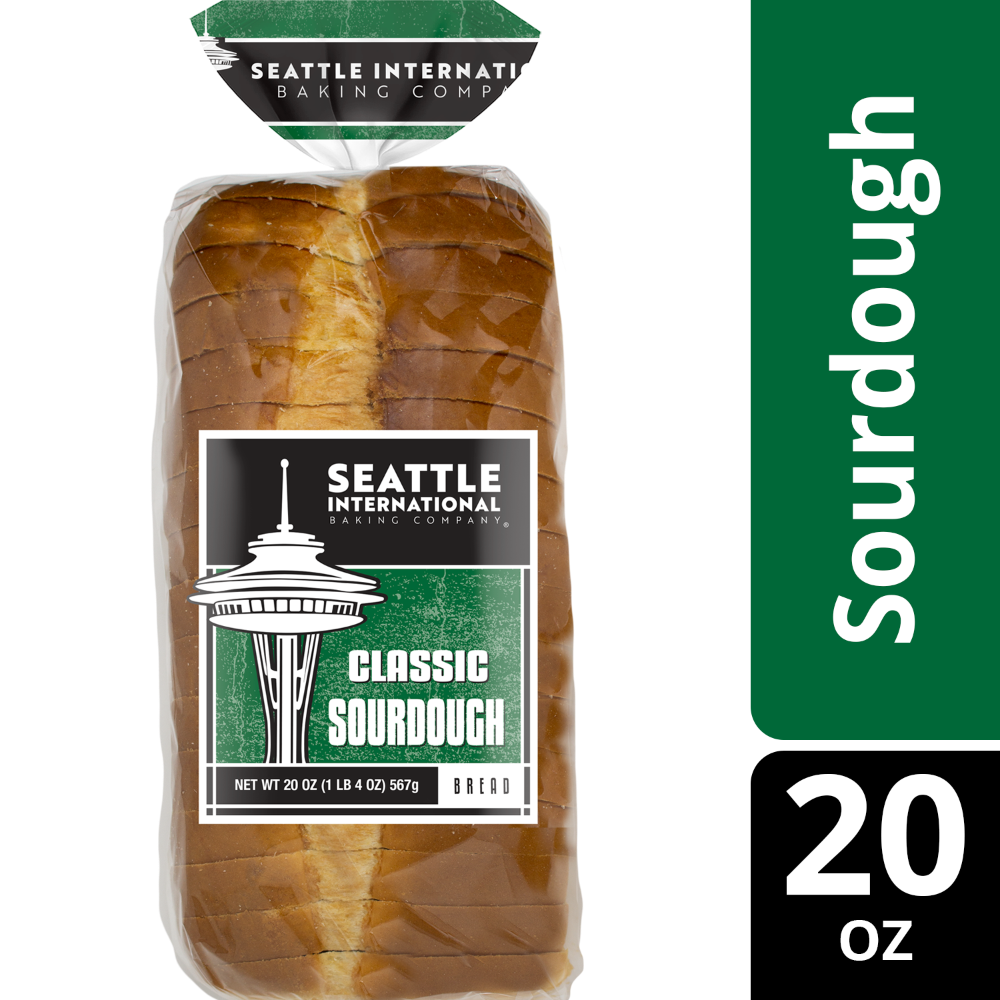
This bread contains whole grain rye meal, which is beneficial for its higher nutritional content and fiber. However, it is classified as ultra-processed due to the presence of additives like sodium acetates and ascorbic acid, which limits its score. The product's relatively clean ingredient list and low sugar content are positive aspects, but the processing level significantly impacts its overall rating.
At a glance
Key ingredients 10
Wheat FlourNeutral
Wheat flour is a common ingredient in bread, providing structure and texture. It is a refined carbohydrate, which can lead to rapid spikes in blood sugar levels. The flour used is not specified as whole grain, which would offer more nutritional benefits.
Risks
Refined wheat flour can contribute to blood sugar spikes and may lack essential nutrients found in whole grains.
Benefits
Provides structure and texture to baked goods, making it a staple in many bread recipes.
WaterNeutral
Water is a basic ingredient used to hydrate flour and activate yeast in bread making. It is essential for the dough formation process. There are no health concerns associated with water in this context.
Benefits
Essential for dough formation and yeast activation in bread making.
Rye FlourNeutral
Rye flour is used to add flavor and density to bread. It contains more fiber than wheat flour, which can aid in digestion. However, it may not be suitable for those with gluten sensitivities.
Risks
May cause digestive issues for individuals with gluten intolerance or celiac disease.
Benefits
Higher fiber content compared to wheat flour, which can support digestive health.
Whole Grain Rye MealGood
Whole grain rye meal is a nutritious ingredient providing fiber, vitamins, and minerals. It supports digestive health and offers a richer nutrient profile than refined grains. Its inclusion enhances the bread's nutritional value.
Risks
May not be suitable for individuals with gluten intolerance or celiac disease.
Benefits
Rich in fiber and essential nutrients, supporting overall health and digestion.
Iodized SaltNeutral
Iodized salt is used to enhance flavor and provide iodine, an essential nutrient. While necessary in small amounts, excessive salt intake can lead to health issues. The use of iodized salt helps prevent iodine deficiency.
Risks
Excessive consumption can contribute to high blood pressure and other cardiovascular issues.
Benefits
Provides essential iodine, which is important for thyroid function.
Baker's YeastNeutral
Baker's yeast is a leavening agent that helps bread rise by producing carbon dioxide. It is a natural ingredient commonly used in bread making. There are no significant health concerns associated with its use.
Benefits
Essential for leavening bread, contributing to its texture and volume.
Wheat GlutenNeutral
Wheat gluten is added to improve the elasticity and chewiness of bread. It is a concentrated form of protein found in wheat. While beneficial for bread texture, it may cause issues for those with gluten sensitivities.
Risks
Can cause adverse reactions in individuals with gluten intolerance or celiac disease.
Benefits
Enhances the texture and elasticity of bread, improving its quality.
Sodium AcetatesNeutral
Sodium acetates are used as acidity regulators in food products. They help maintain the pH balance and extend shelf life. Generally recognized as safe when used in moderation.
Benefits
Helps maintain product stability and extend shelf life.
Barley Malt FlourNeutral
Barley malt flour is used to enhance flavor and color in bread. It contains enzymes that aid in the fermentation process. While it adds nutritional value, it may not be suitable for those with gluten sensitivities.
Risks
May cause issues for individuals with gluten intolerance or celiac disease.
Benefits
Enhances flavor and color, and aids in the fermentation process.
Ascorbic AcidNeutral
Ascorbic acid, also known as vitamin C, is used as an antioxidant to improve dough strength and volume. It is a common additive in bread making. There are no significant health concerns associated with its use in food.
Benefits
Acts as an antioxidant and improves dough quality in bread making.
Processing
Ultra-Processed Foods
Get the full breakdown in the Scout app
Scan any product to see lab results, healthy alternatives, and your personalized analysis.
Download on theApp Store