
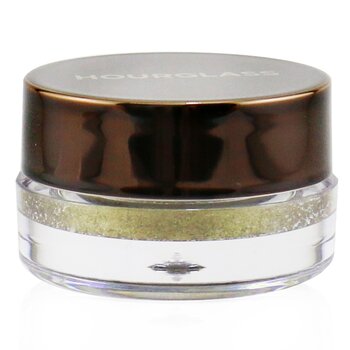


Hourglass Scattered Light Glitter Eye Shadow - Vivid
Summary
This eyeshadow contains a mix of synthetic and natural ingredients. While it avoids some of the most harmful chemicals like parabens and formaldehyde releasers, it does include synthetic fragrance, which can be a skin irritant. The presence of glitter and other synthetic components indicates a moderate level of processing, which affects its overall safety profile.
At a glance
Key ingredients 12
dimethicone
Dimethicone is a type of silicone used to provide a smooth application and silky feel. It forms a barrier on the skin, which can help retain moisture. It is commonly used in cosmetics for its ability to improve texture.
Risks
There is a potential for skin irritation in sensitive individuals.
Benefits
It helps in creating a smooth, even application and can improve the appearance of fine lines.
mica
Mica is a naturally occurring mineral dust used in cosmetics for its shimmering appearance. It is often used to add a glittery or shiny effect to products. Mica is valued for its ability to reflect light.
Risks
Inhalation of mica dust can be harmful, and there are concerns about ethical sourcing.
Benefits
Provides a natural shimmer and glow to cosmetic products.
calcium titanium borosilicate
Calcium titanium borosilicate is a synthetic compound used to add sparkle and shine to cosmetics. It is often used in products that require a glittery effect. This ingredient is stable and non-reactive.
Risks
There are minimal risks associated with topical use, but inhalation should be avoided.
Benefits
Enhances the visual appeal of products with its reflective properties.
calcium aluminum borosilicate
Calcium aluminum borosilicate is used in cosmetics to provide a glittery effect. It is a stable compound that adds shine and sparkle. This ingredient is commonly used in eye shadows and other makeup products.
Risks
Inhalation of fine particles can be a concern, though topical use is generally safe.
Benefits
Contributes to the aesthetic appeal by adding a shimmering effect.
diisostearyl malate
Diisostearyl malate is an emollient that helps to soften and smooth the skin. It is often used in lipsticks and other cosmetics for its moisturizing properties. This ingredient helps improve the texture and feel of products.
Risks
There are minimal risks, though it may cause irritation in very sensitive skin.
Benefits
Provides moisture and improves the texture of cosmetic products.
isododecane
Isododecane is a hydrocarbon used in cosmetics for its lightweight and non-greasy feel. It helps to improve the spreadability of products. This ingredient evaporates quickly, leaving a smooth finish.
Risks
Inhalation of vapors can be irritating, though it is generally safe for topical use.
Benefits
Enhances the application and feel of products without leaving a residue.
trimethylsiloxysilicate
Trimethylsiloxysilicate is a silicone resin used to provide water resistance and long-lasting wear in cosmetics. It forms a flexible film on the skin, enhancing product durability. This ingredient is valued for its ability to improve product performance.
Risks
May cause skin irritation in sensitive individuals.
Benefits
Improves the longevity and water resistance of cosmetic products.
fruit extract
Fruit extract is used in cosmetics for its potential antioxidant properties. It can provide beneficial nutrients to the skin. This ingredient is often included for its natural origin and potential skin benefits.
Risks
Potential for allergic reactions in sensitive individuals.
Benefits
May offer antioxidant benefits and improve skin health.
propanediol
Propanediol is a glycol used as a solvent and skin-conditioning agent. It helps to improve the texture and spreadability of products. This ingredient is often used as a safer alternative to propylene glycol.
Risks
Generally considered safe, though it may cause irritation in sensitive skin.
Benefits
Enhances product texture and provides moisture to the skin.
phenoxyethanol
Phenoxyethanol is a preservative used to prevent microbial growth in cosmetics. It is a common alternative to parabens. This ingredient helps to extend the shelf life of products.
Risks
Can cause skin irritation and allergic reactions in some individuals.
Benefits
Effectively preserves products, preventing spoilage and contamination.
iron oxides (CI 77491, CI 77499)
Iron oxides are pigments used to provide color in cosmetics. They are stable and non-reactive, making them suitable for sensitive skin. These pigments are commonly used in a variety of makeup products.
Risks
Generally considered safe, though there is a potential for contamination with heavy metals.
Benefits
Provides natural and stable color to cosmetic products.
titanium dioxide (CI 77891)
Titanium dioxide is a mineral used as a pigment and sunscreen agent in cosmetics. It provides opacity and UV protection. This ingredient is valued for its safety and effectiveness in protecting the skin.
Risks
Inhalation of fine particles can be harmful, though topical use is generally safe.
Benefits
Offers UV protection and enhances the opacity of products.
Processing
Processed Foods
Get the full breakdown in the Scout app
Scan any product to see lab results, healthy alternatives, and your personalized analysis.
Download on theApp Store