


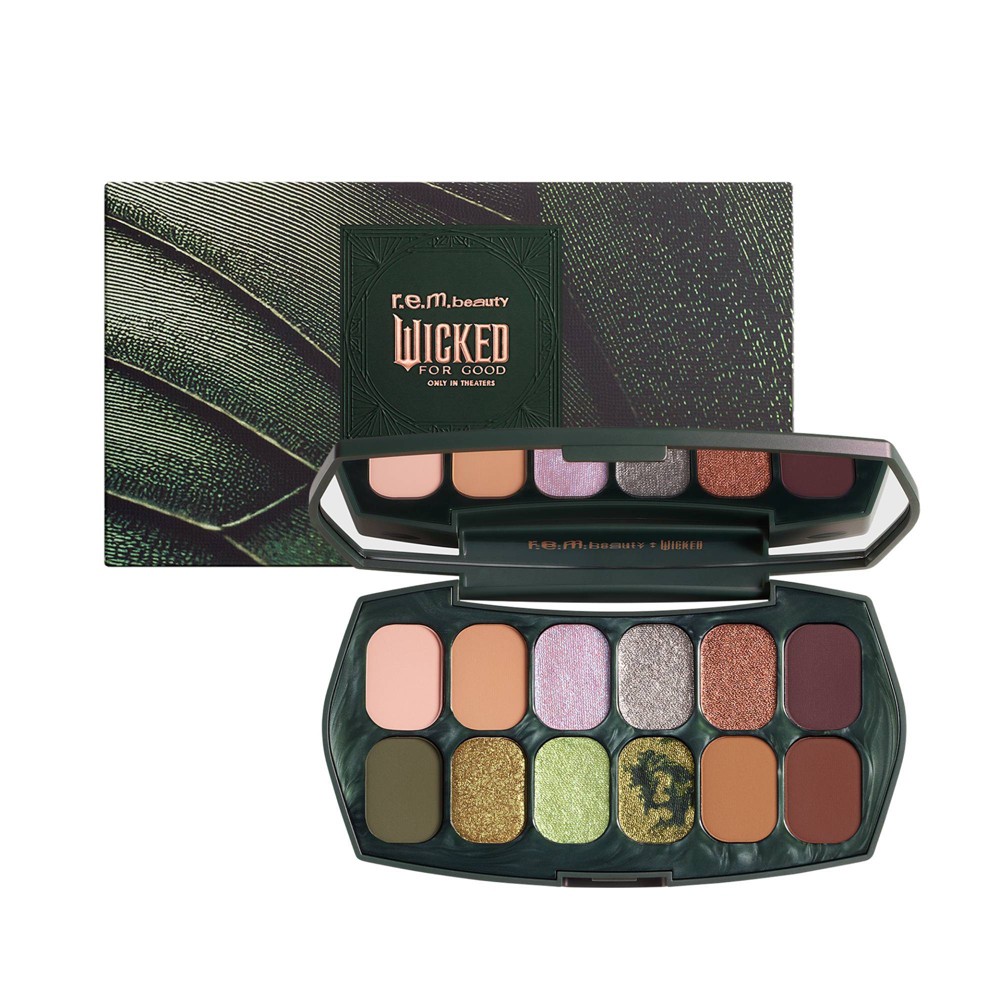

bareMinerals Mineralist Eyeshadow Palette Heathered 0.04 oz
Analysis updated August 2026 · How Scout scores
At a glance
Summary
This eyeshadow palette contains beneficial natural oils like Rosa Moschata Seed Oil and Hippophae Rhamnoides Oil, which provide moisturizing and skin-nourishing properties. However, the presence of phenoxyethanol and bismuth oxychloride, which can cause skin irritation and sensitivity, slightly lowers the overall ingredient safety. The product is moderately processed, which also impacts the score.
Key ingredients 19
ROSA MOSCHATA SEED OILVery Good
Rosa Moschata Seed Oil is a natural oil known for its moisturizing and skin-nourishing properties. It is rich in essential fatty acids and antioxidants. This ingredient is beneficial for maintaining skin health and hydration.
Risks
Rare risk of allergic reactions in sensitive individuals.
Benefits
Provides moisturizing and nourishing benefits to the skin.
HIPPOPHAE RHAMNOIDES OILVery Good
Hippophae Rhamnoides Oil, also known as Sea Buckthorn Oil, is rich in vitamins and antioxidants. It is known for its skin-rejuvenating and healing properties. This oil is beneficial for maintaining healthy skin.
Risks
Rare risk of allergic reactions in sensitive individuals.
Benefits
Offers skin-rejuvenating and healing properties.
MICAGood
Beneficial ingredient — whole-food or functional value in this product class.
Risks
Potential contamination with heavy metals and ethical sourcing issues.
Benefits
Provides a shimmering effect in cosmetics, enhancing visual appeal.
KAOLINGood
Beneficial ingredient — whole-food or functional value in this product class.
Risks
Minimal risks associated with its use in cosmetics.
Benefits
Controls oil and shine, beneficial for oily skin.
CAPRYLIC/CAPRIC TRIGLYCERIDEGood
Caprylic/Capric Triglyceride is an emollient derived from coconut oil and glycerin. It is known for its moisturizing properties and is generally considered safe. It helps to improve the spreadability and absorption of the product.
Risks
Minimal risks associated with its use in cosmetics.
Benefits
Provides moisturizing benefits and improves product absorption.
CELLULOSENeutral
Cellulose is a natural polymer used as a thickening agent in cosmetics. It is derived from plant sources and is generally considered safe. It does not pose significant health risks.
Risks
Minimal risks associated with cellulose in cosmetics.
Benefits
Acts as a thickening agent, improving texture and consistency.
OCTYLDODECYL STEAROYL STEARATENeutral
This ingredient is an ester used as an emollient and thickening agent in cosmetics. It is generally considered safe for use in personal care products. It helps improve the texture and feel of the product.
Risks
Minimal risks associated with its use in cosmetics.
Benefits
Enhances texture and provides emollient properties.
CAPRYLYL GLYCOLNeutral
Standard formulation ingredient — neither beneficial nor harmful at typical use.
Risks
Rare risk of skin irritation in sensitive individuals.
Benefits
Provides antimicrobial benefits and improves skin hydration.
ZINC STEARATENeutral
Zinc Stearate is used as a lubricant and thickening agent in cosmetics. It is generally considered safe for use in makeup products. It helps improve the texture and application of the product.
Risks
Minimal risks associated with its use in cosmetics.
Benefits
Improves texture and application of cosmetic products.
MAGNESIUM STEARATENeutral
Magnesium Stearate is used as a lubricant and anti-caking agent in cosmetics. It is generally considered safe for use in makeup products. It helps improve the texture and application of the product.
Risks
Minimal risks associated with its use in cosmetics.
Benefits
Improves texture and prevents caking in cosmetic products.
SODIUM DEHYDROACETATENeutral
Sodium Dehydroacetate is a preservative used to prevent microbial growth in cosmetics. It is generally considered safe for use in personal care products. It helps to extend the shelf life of the product.
Risks
Minimal risks associated with its use in cosmetics.
Benefits
Prevents microbial growth, extending product shelf life.
TITANIUM DIOXIDE (CI 77891)Neutral
Titanium Dioxide is used as a pigment and UV filter in cosmetics. It is generally considered safe for use in makeup products. It provides opacity and sun protection benefits.
Risks
Inhalation of nanoparticles may pose health risks.
Benefits
Provides pigmentation and sun protection.
IRON OXIDES (CI 77491, CI 77492, CI 77499)Neutral
Iron Oxides are used as pigments in cosmetics to provide color. They are generally considered safe for use in makeup products. They offer a wide range of color options for cosmetic formulations.
Risks
Minimal risks associated with their use in cosmetics.
Benefits
Provide a wide range of color options for cosmetics.
FERRIC AMMONIUM FERROCYANIDE (CI 77510)Neutral
Ferric Ammonium Ferrocyanide is a pigment used to provide blue color in cosmetics. It is generally considered safe for use in makeup products. It is used to achieve specific color shades in formulations.
Risks
Minimal risks associated with its use in cosmetics.
Benefits
Provides specific blue color shades in cosmetics.
MANGANESE VIOLET (CI 77742)Neutral
Manganese Violet is a pigment used to provide violet color in cosmetics. It is generally considered safe for use in makeup products. It is used to achieve specific color shades in formulations.
Risks
Minimal risks associated with its use in cosmetics.
Benefits
Provides specific violet color shades in cosmetics.
ULTRAMARINES (CI 77007)Neutral
Ultramarines are pigments used to provide blue color in cosmetics. They are generally considered safe for use in makeup products. They are used to achieve specific color shades in formulations.
Risks
Minimal risks associated with their use in cosmetics.
Benefits
Provide specific blue color shades in cosmetics.
SILICANeutral
Silica is used as an absorbent and anti-caking agent in cosmetics. It is generally considered safe for use in makeup products. It helps to improve the texture and application of the product.
Risks
Inhalation of fine particles may pose health risks.
Benefits
Improves texture and prevents caking in cosmetic products.
PHENOXYETHANOLBad
Phenoxyethanol is a preservative used in cosmetics to prevent bacterial growth. It is considered safe in low concentrations but can cause skin irritation in some individuals. There are concerns about its potential toxicity and effects on the nervous system.
Risks
Potential skin irritation and concerns about toxicity.
Benefits
Prevents bacterial growth, extending product shelf life.
BISMUTH OXYCHLORIDE (CI 77163)Bad
Bismuth Oxychloride is used as a pigment and filler in cosmetics. It can cause skin irritation and sensitivity in some individuals. There are concerns about its potential to cause acne and other skin issues.
Risks
Potential skin irritation and acne formation.
Benefits
Provides a pearlescent finish in cosmetics.
Get the full breakdown in the Scout appTake Scout shopping
Scan any product to see lab results, healthy alternatives, and your personalized analysis.
Download on theApp Store GET IT ONGoogle Play