


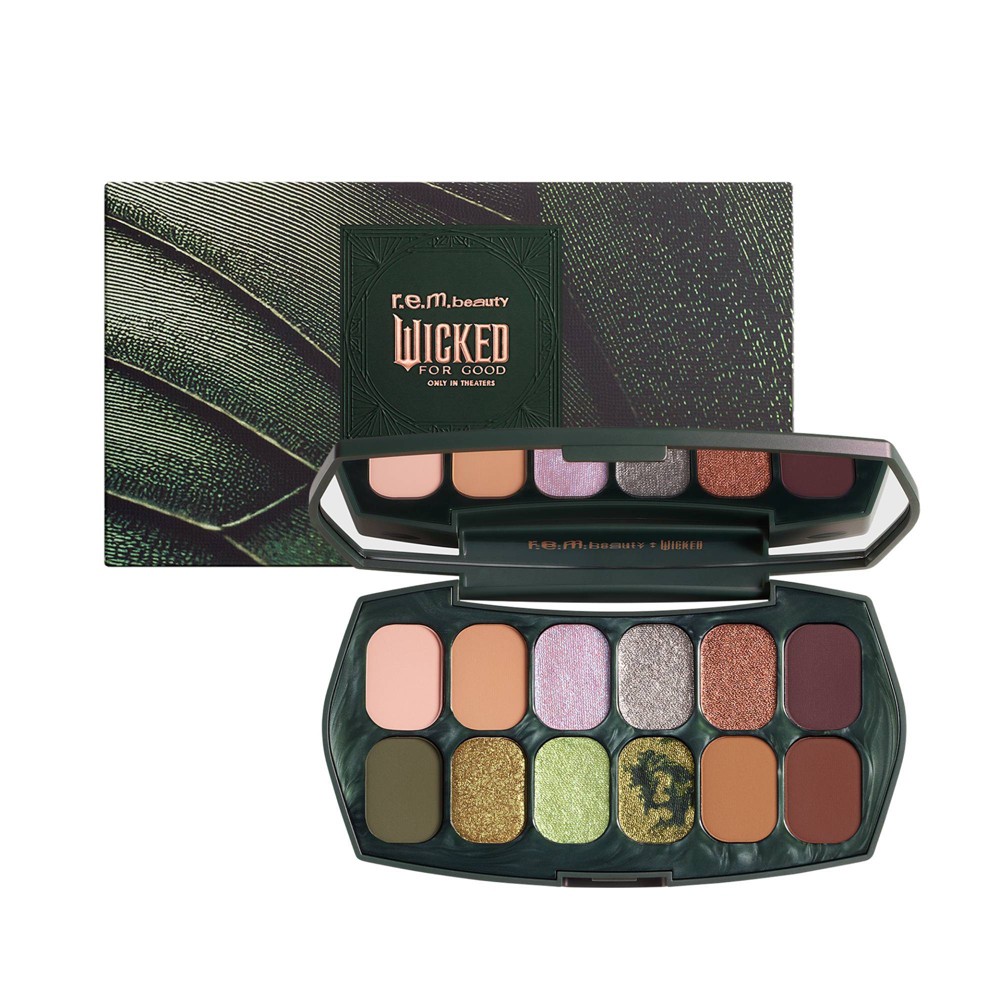


bareMinerals Mineralist Eyeshadow Palette
Analysis updated September 2026 · How Scout scores
At a glance
Summary
This eyeshadow palette features a clean ingredient list with beneficial oils such as Rosa Moschata Seed Oil and Hippophae Rhamnoides Oil, which provide skin-nourishing and regenerative properties. The inclusion of natural minerals like mica and titanium dioxide, along with the absence of harsh chemicals or synthetic fragrances, contributes to its high safety profile. The product is minimally processed, focusing on natural and skin-friendly components.
Key ingredients 18
Rosa Moschata Seed OilVery Good
Rosa Moschata Seed Oil, also known as rosehip oil, is rich in essential fatty acids and antioxidants. It is known for its skin-regenerating properties and ability to improve skin texture and tone. It is highly beneficial for dry and mature skin.
Risks
Minimal risk of irritation; patch test recommended for sensitive skin.
Benefits
Rich in essential fatty acids and antioxidants, promotes skin regeneration.
Hippophae Rhamnoides OilVery Good
Also known as sea buckthorn oil, this ingredient is rich in vitamins and antioxidants. It is known for its skin-nourishing and regenerative properties. It is particularly beneficial for dry and damaged skin.
Risks
Minimal risk of irritation; patch test recommended for sensitive skin.
Benefits
Rich in vitamins and antioxidants, promotes skin nourishment and regeneration.
MicaGood
Beneficial ingredient — whole-food or functional value in this product class.
Risks
Potential contamination with heavy metals if not properly sourced.
Benefits
Provides a natural shimmer and glow to cosmetic products.
Caprylic/Capric TriglycerideGood
Derived from coconut oil and glycerin, this ingredient is an excellent emollient and skin-replenishing agent. It helps to moisturize and replenish the skin without leaving a greasy residue. It is well-tolerated by most skin types.
Risks
Minimal risk of irritation or allergic reaction.
Benefits
Moisturizes and replenishes the skin, enhancing product feel.
Iron OxidesGood
Beneficial ingredient — whole-food or functional value in this product class.
Risks
Potential contamination if not properly purified.
Benefits
Provides stable and non-toxic pigmentation in cosmetics.
Octyldodecyl Stearoyl StearateNeutral
This ingredient is an emollient that helps to soften and smooth the skin. It is commonly used in cosmetics for its ability to improve texture and spreadability. It is generally considered safe with low risk of irritation.
Risks
Low risk of skin irritation for sensitive individuals.
Benefits
Improves texture and spreadability of cosmetic products.
Zinc StearateNeutral
Zinc stearate is used as a lubricant and thickening agent in cosmetics. It helps to improve the texture and application of products. It is generally considered safe with low risk of irritation.
Risks
Low risk of skin irritation.
Benefits
Improves texture and application of cosmetic products.
SilicaNeutral
Silica is used in cosmetics for its oil-absorbing properties and to improve the texture of products. It is generally considered safe for use in cosmetics. However, inhalation of silica dust can pose health risks.
Risks
Inhalation of silica dust can pose respiratory risks.
Benefits
Improves texture and oil absorption in cosmetic products.
Caprylyl GlycolNeutral
Caprylyl glycol is a skin-conditioning agent that also acts as a preservative booster. It helps to improve the moisture content of the skin and enhance the efficacy of preservatives. It is generally well-tolerated by most skin types.
Risks
Low risk of skin irritation.
Benefits
Enhances moisture content and preservative efficacy in formulations.
Magnesium StearateNeutral
Magnesium stearate is used as a lubricant and anti-caking agent in cosmetics. It helps to improve the texture and spreadability of products. It is generally considered safe with low risk of irritation.
Risks
Low risk of skin irritation.
Benefits
Improves texture and spreadability of cosmetic products.
CelluloseNeutral
Cellulose is a natural polymer used as a thickening agent in cosmetics. It helps to stabilize formulations and improve texture. It is generally considered safe with low risk of irritation.
Risks
Low risk of skin irritation.
Benefits
Stabilizes formulations and improves texture in cosmetic products.
Sodium DehydroacetateNeutral
Sodium dehydroacetate is a preservative used to prevent microbial growth in cosmetics. It is effective in low concentrations and generally considered safe. However, it may cause irritation in sensitive individuals.
Risks
Potential for skin irritation in sensitive individuals.
Benefits
Prevents microbial growth, extending product shelf life.
Titanium DioxideNeutral
Titanium dioxide is used as a pigment and UV filter in cosmetics. It provides opacity and sun protection, but concerns about inhalation of nanoparticles exist. It is generally considered safe for topical use.
Risks
Inhalation of nanoparticles can pose respiratory risks.
Benefits
Provides pigmentation and sun protection in cosmetic products.
Bismuth OxychlorideNeutral
Bismuth oxychloride is used in cosmetics for its pearlescent finish. It is generally considered safe, but can cause irritation in some individuals. It is often used in mineral makeup for its aesthetic properties.
Risks
Potential for skin irritation, especially in sensitive individuals.
Benefits
Provides a pearlescent finish, enhancing the aesthetic of makeup.
UltramarinesNeutral
Ultramarines are pigments used to provide blue and violet hues in cosmetics. They are stable and non-toxic, but must be properly purified to avoid contamination. They are generally considered safe for use in makeup.
Risks
Potential contamination if not properly purified.
Benefits
Provides stable and non-toxic blue and violet pigmentation.
Aluminum HydroxideNeutral
Aluminum hydroxide is used as a colorant and opacifying agent in cosmetics. It is generally considered safe for use in makeup products. However, concerns about aluminum compounds in cosmetics exist.
Risks
Concerns about aluminum compounds in cosmetics.
Benefits
Acts as a colorant and opacifying agent, enhancing product appearance.
Yellow 5 LakeNeutral
Yellow 5 Lake is a synthetic dye used to provide color in cosmetics. It is generally considered safe, but can cause allergic reactions in some individuals. It is widely used in the cosmetic industry for its vibrant color.
Risks
Potential for allergic reactions in sensitive individuals.
Benefits
Provides vibrant color, enhancing the visual appeal of cosmetics.
PhenoxyethanolBad
Processed additive flagged under Scout's ingredient doctrine.
Risks
Potential for skin irritation, especially in sensitive individuals.
Benefits
Prevents bacterial growth, enhancing product safety.
Get the full breakdown in the Scout appTake Scout shopping
Scan any product to see lab results, healthy alternatives, and your personalized analysis.
Download on theApp Store GET IT ONGoogle Play