
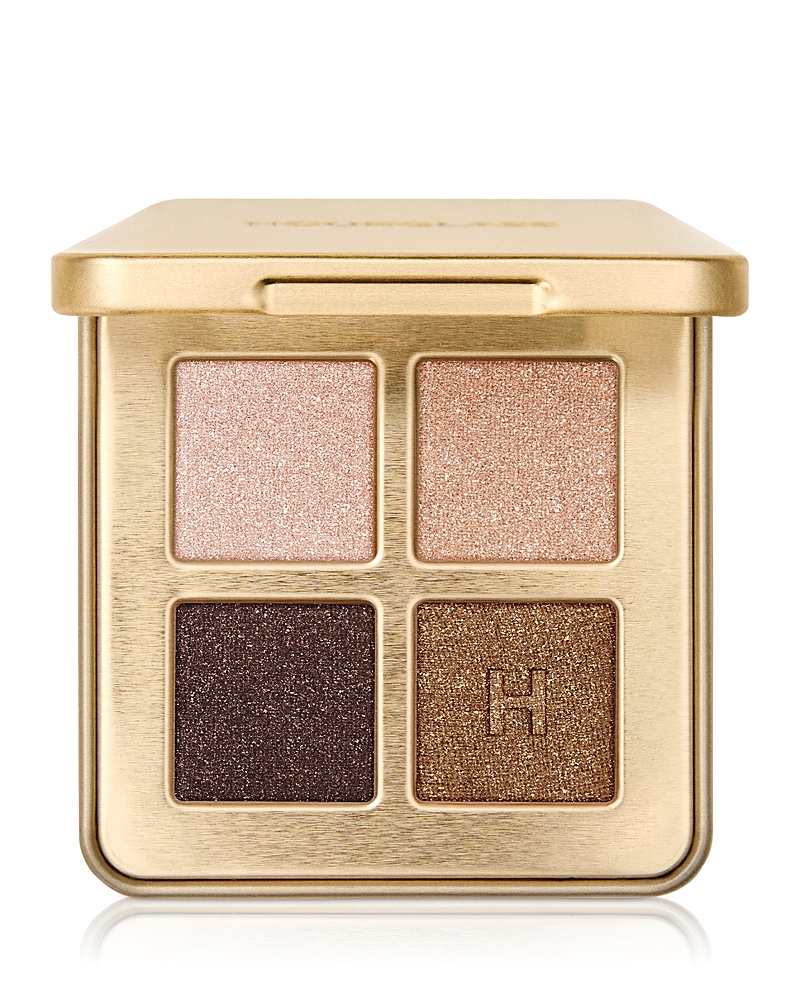



Hourglass Curator Eyeshadow Palette
Analysis updated August 2026 · How Scout scores
At a glance
Summary
The Hourglass Curator Eyeshadow Palette contains a mix of natural and synthetic ingredients. Beneficial components like tocopherol and sunflower seed oil provide antioxidant and moisturizing benefits. However, the presence of synthetic colorants and other processed ingredients contributes to a moderate processing level, which impacts the overall score.
Key ingredients 16
tocopherolVery Good
Tocopherol, also known as Vitamin E, is an antioxidant used in cosmetics. It helps in protecting the skin from free radical damage and improves skin health. It is highly beneficial for its skin conditioning properties.
Risks
Generally considered safe with minimal risks.
Benefits
Protects skin from free radical damage and improves skin health.
helianthus annuus (sunflower) seed oilVery Good
Sunflower seed oil is a natural oil used for its emollient and moisturizing properties. It helps in nourishing and hydrating the skin. It is highly beneficial for its skin conditioning properties.
Risks
Generally considered safe with minimal risks.
Benefits
Nourishes and hydrates the skin.
micaGood
Beneficial ingredient — whole-food or functional value in this product class.
Risks
Potential contamination with heavy metals and ethical sourcing issues.
Benefits
Provides shimmer and shine to cosmetic products.
aluminum starch octenylsuccinateNeutral
This ingredient is used as an absorbent and anti-caking agent in cosmetics. It helps in improving the texture and feel of products. There are minimal safety concerns associated with its use.
Risks
Minimal safety concerns.
Benefits
Improves texture and feel of cosmetic products.
zinc stearateNeutral
Zinc stearate is used as a lubricant and thickening agent in cosmetics. It helps in improving the texture and spreadability of products. It is generally considered safe for use in cosmetics.
Risks
Generally considered safe with minimal risks.
Benefits
Improves texture and spreadability of cosmetic products.
microcrystalline celluloseNeutral
Microcrystalline cellulose is used as a bulking agent in cosmetics. It helps in improving the texture and consistency of products. It is considered safe for use in cosmetics.
Risks
Considered safe with minimal risks.
Benefits
Improves texture and consistency of cosmetic products.
isononyl isononanoateNeutral
Isononyl isononanoate is an emollient used to enhance the texture and feel of cosmetics. It provides a smooth application and is generally considered safe. There are minimal safety concerns associated with its use.
Risks
Minimal safety concerns.
Benefits
Enhances texture and provides smooth application.
ethylhexylglycerinNeutral
Ethylhexylglycerin is used as a preservative and skin conditioning agent in cosmetics. It helps in improving the shelf life and feel of products. It is generally considered safe for use in cosmetics.
Risks
Generally considered safe with minimal risks.
Benefits
Improves shelf life and skin feel of cosmetic products.
yellow 5 lake (ci 19140)Neutral
Yellow 5 Lake is a synthetic dye used to impart color to cosmetics. It is approved for use in cosmetics but may cause allergic reactions in some individuals. It is effective in providing vibrant color to products.
Risks
May cause allergic reactions in sensitive individuals.
Benefits
Provides vibrant color to cosmetic products.
blue 1 lake (ci 42090)Neutral
Blue 1 Lake is a synthetic dye used to impart color to cosmetics. It is approved for use in cosmetics but may cause allergic reactions in some individuals. It is effective in providing vibrant color to products.
Risks
May cause allergic reactions in sensitive individuals.
Benefits
Provides vibrant color to cosmetic products.
ultramarines (ci 77007)Neutral
Ultramarines are pigments used to impart color to cosmetics. They are generally considered safe for use in cosmetics. They are effective in providing vibrant color to products.
Risks
Generally considered safe with minimal risks.
Benefits
Provides vibrant color to cosmetic products.
bismuth oxychloride (ci 77163)Neutral
Bismuth oxychloride is a pigment used to add shimmer and color to cosmetics. It is generally considered safe for use in cosmetics but may cause irritation in some individuals. It is effective in providing a pearlescent finish to products.
Risks
May cause irritation in sensitive individuals.
Benefits
Provides a pearlescent finish to cosmetic products.
iron oxides (ci 77491, ci 77492, ci 77499)Neutral
Iron oxides are pigments used to impart color to cosmetics. They are generally considered safe for use in cosmetics. They are effective in providing a range of colors to products.
Risks
Generally considered safe with minimal risks.
Benefits
Provides a range of colors to cosmetic products.
titanium dioxide (ci 77891)Neutral
Titanium dioxide is used as a pigment and sunscreen agent in cosmetics. It helps in providing coverage and protection from UV rays. It is generally considered safe for use in cosmetics.
Risks
Generally considered safe with minimal risks.
Benefits
Provides coverage and protection from UV rays.
sorbic acidBad
Processed additive flagged under Scout's ingredient doctrine.
Risks
Generally considered safe with minimal risks.
Benefits
Prevents microbial growth and extends shelf life.
polyethyleneVery Bad
Heavily flagged ingredient class under Scout's doctrine.
Risks
Environmental concerns due to non-biodegradability.
Benefits
Improves texture and application of cosmetic products.
Get the full breakdown in the Scout appTake Scout shopping
Scan any product to see lab results, healthy alternatives, and your personalized analysis.
Download on theApp Store GET IT ONGoogle PlayAmazon pricing & content
Amazon price as of . Product prices and availability are accurate as of the date/time indicated and are subject to change. Any price and availability information displayed on Amazon.com at the time of purchase will apply to the purchase of this product.
CERTAIN CONTENT THAT APPEARS ON THIS SITE COMES FROM AMAZON. THIS CONTENT IS PROVIDED “AS IS” AND IS SUBJECT TO CHANGE OR REMOVAL AT ANY TIME.