
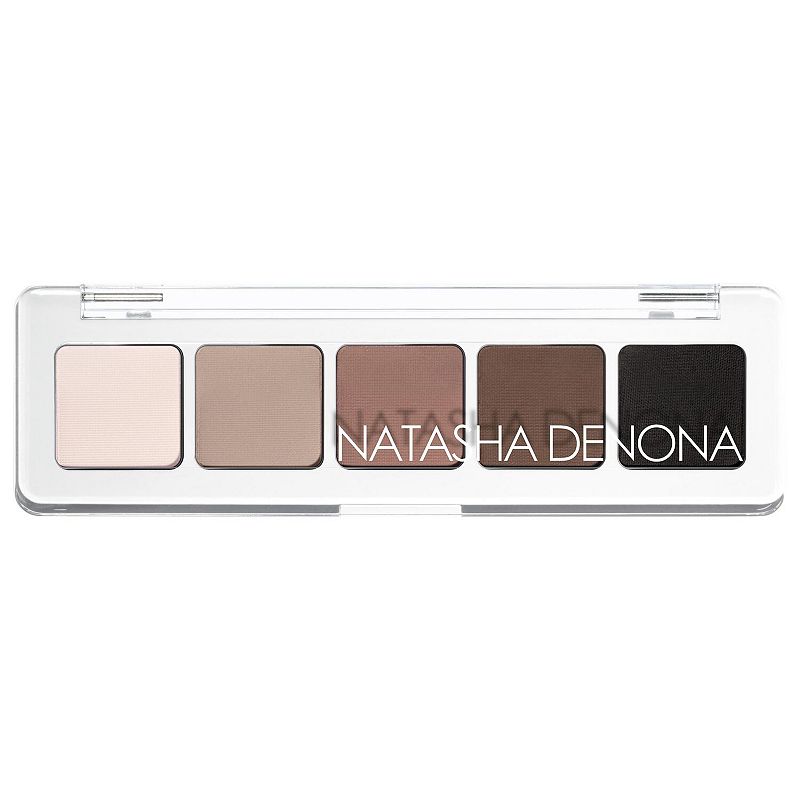



Natasha Denona Mini Eye Sculpt Eyeshadow Palette, Size: .16 Oz, Cool
Analysis updated August 2026 · How Scout scores
At a glance
Summary
This eyeshadow palette contains beneficial ingredients like squalane, tocopherol, and caprylic/capric triglyceride, which provide moisturizing and antioxidant benefits. However, the presence of talc, which has potential contamination risks, and BHT, a synthetic antioxidant with safety concerns, lowers the overall safety profile. The product is moderately processed, which further impacts its rating.
Key ingredients 29
SqualaneVery Good
Squalane is a highly effective emollient and natural antioxidant. It is derived from olives or sugarcane and is considered very beneficial for skin hydration. It is non-irritating and suitable for all skin types.
Risks
Generally considered safe with minimal risk.
Benefits
Deeply hydrates and protects the skin.
Caprylic/Capric TriglycerideGood
Caprylic/Capric Triglyceride is derived from coconut oil and glycerin. It is used for its emollient properties and is considered safe and beneficial for the skin. It helps to moisturize and improve the texture of the skin.
Risks
Generally considered safe with minimal risk.
Benefits
Moisturizes and improves skin texture.
MicaGood
Beneficial ingredient — whole-food or functional value in this product class.
Risks
Ethical concerns related to mining practices.
Benefits
Adds shimmer and enhances the visual appeal of products.
TocopherolGood
Tocopherol, also known as Vitamin E, is an antioxidant that helps protect the skin from damage. It is considered beneficial for skin health and is widely used in cosmetics. It helps to moisturize and improve skin texture.
Risks
Generally considered safe with minimal risk.
Benefits
Protects the skin from oxidative damage and improves moisture retention.
Titanium Dioxide (CI 77891)Neutral
Titanium Dioxide is commonly used as a pigment and UV filter in cosmetics. It is generally considered safe in topical applications. However, there are concerns when inhaled in powder form.
Risks
Inhalation of fine particles may pose respiratory risks.
Benefits
It provides excellent coverage and UV protection.
SilicaNeutral
Silica is used in cosmetics for its oil-absorbing properties and to improve product texture. It is generally considered safe for topical use. However, inhalation of fine silica particles can be harmful.
Risks
Inhalation of fine particles may cause respiratory issues.
Benefits
It helps control shine and improves the feel of the product.
Zinc StearateNeutral
Zinc Stearate is used as a lubricant and thickening agent in cosmetics. It is generally recognized as safe for use in cosmetics. However, excessive inhalation can cause respiratory irritation.
Risks
Inhalation of large amounts may cause respiratory irritation.
Benefits
It improves the texture and spreadability of products.
Caprylyl MethiconeNeutral
Caprylyl Methicone is a silicone-based ingredient used for its emollient properties. It helps to provide a smooth application and improve the feel of the product. It is generally considered safe for use in cosmetics.
Risks
May cause mild skin irritation in sensitive individuals.
Benefits
Provides a silky texture and enhances spreadability.
Iron Oxides (CI 77491, CI 77492, CI 77499)Neutral
Iron Oxides are used as pigments in cosmetics, providing a range of colors. They are considered safe for use in cosmetics. However, there is a minor risk of contamination with heavy metals.
Risks
Potential contamination with heavy metals, though generally low risk.
Benefits
Provides natural color and is stable in formulations.
Isononyl IsononanoateNeutral
Isononyl Isononanoate is an emollient that helps to soften and smooth the skin. It is widely used in cosmetics and is considered safe. However, it may cause mild irritation in sensitive skin.
Risks
May cause mild irritation in sensitive individuals.
Benefits
Improves skin feel and provides a smooth application.
Isopropyl Titanium TriisostearateNeutral
Isopropyl Titanium Triisostearate is used as a pigment dispersant in cosmetics. It is considered safe for use in cosmetics. However, it may cause mild irritation in sensitive individuals.
Risks
May cause mild irritation in sensitive skin.
Benefits
Improves pigment dispersion and product stability.
ZeoliteNeutral
Zeolite is a mineral used for its absorbent properties in cosmetics. It is considered safe for use in cosmetics. However, inhalation of fine particles may pose respiratory risks.
Risks
Inhalation of fine particles may cause respiratory issues.
Benefits
Helps absorb moisture and control oil.
Caprylyl GlycolNeutral
Caprylyl Glycol is used as a skin conditioning agent and preservative in cosmetics. It is generally considered safe for use in cosmetics. However, it may cause mild irritation in sensitive skin.
Risks
May cause mild irritation in sensitive individuals.
Benefits
Acts as a humectant and helps preserve the product.
Hexylene GlycolNeutral
Hexylene Glycol is used as a solvent and viscosity agent in cosmetics. It is generally considered safe for use in cosmetics. However, it may cause mild irritation in sensitive skin.
Risks
May cause mild irritation in sensitive individuals.
Benefits
Improves product texture and stability.
Ultramarines (CI 77007)Neutral
Ultramarines are pigments used to provide blue hues in cosmetics. They are considered safe for use in cosmetics. However, there are restrictions on their use in lip products.
Risks
Restricted use in lip products due to potential ingestion risks.
Benefits
Provides vibrant blue color to products.
Carmine (CI 75470)Neutral
Carmine is a natural pigment derived from insects, used for its red color in cosmetics. It is considered safe for use in cosmetics. However, it may cause allergic reactions in some individuals.
Risks
May cause allergic reactions in sensitive individuals.
Benefits
Provides a natural red color to products.
Hydrogenated Styrene/Isoprene CopolymerNeutral
Hydrogenated Styrene/Isoprene Copolymer is used as a film-forming agent in cosmetics. It is considered safe for use in cosmetics. However, it may cause mild irritation in sensitive skin.
Risks
May cause mild irritation in sensitive individuals.
Benefits
Provides film-forming properties and enhances product durability.
Pentaerythrityl Tetra-Di-T-Butyl HydroxyhydrocinnamateNeutral
This ingredient is an antioxidant used to stabilize cosmetics and prevent oxidation. It is considered safe for use in cosmetics. However, it may cause mild irritation in sensitive skin.
Risks
May cause mild irritation in sensitive individuals.
Benefits
Stabilizes products and prevents oxidation.
Synthetic FluorphlogopiteNeutral
Synthetic Fluorphlogopite is a synthetic mica used to add shimmer to cosmetics. It is considered safe for use in cosmetics. However, there are concerns about its environmental impact.
Risks
Environmental concerns related to its production.
Benefits
Adds shimmer and enhances the visual appeal of products.
TriethoxycaprylylsilaneNeutral
Triethoxycaprylylsilane is used as a surface treatment for pigments in cosmetics. It is considered safe for use in cosmetics. However, it may cause mild irritation in sensitive skin.
Risks
May cause mild irritation in sensitive individuals.
Benefits
Improves pigment dispersion and product stability.
EthylhexylglycerinNeutral
Ethylhexylglycerin is used as a skin conditioning agent and preservative enhancer in cosmetics. It is considered safe for use in cosmetics. However, it may cause mild irritation in sensitive skin.
Risks
May cause mild irritation in sensitive individuals.
Benefits
Enhances preservation and conditions the skin.
HDI/Trimethylol Hexyllactone CrosspolymerNeutral
This ingredient is used as a film-forming agent in cosmetics. It is considered safe for use in cosmetics. However, it may cause mild irritation in sensitive skin.
Risks
May cause mild irritation in sensitive individuals.
Benefits
Provides film-forming properties and enhances product durability.
IsododecaneNeutral
Isododecane is used as a solvent and emollient in cosmetics. It is considered safe for use in cosmetics. However, it may cause mild irritation in sensitive skin.
Risks
May cause mild irritation in sensitive individuals.
Benefits
Provides a lightweight feel and enhances product spreadability.
Cetearyl EthylhexanoateNeutral
Cetearyl Ethylhexanoate is used as an emollient and conditioning agent in cosmetics. It is considered safe for use in cosmetics. However, it may cause mild irritation in sensitive skin.
Risks
May cause mild irritation in sensitive individuals.
Benefits
Improves skin feel and provides a smooth application.
PhenoxyethanolBad
Processed additive flagged under Scout's ingredient doctrine.
Risks
May cause irritation in sensitive skin.
Benefits
Prevents microbial growth and extends product shelf life.
Sorbic AcidBad
Processed additive flagged under Scout's ingredient doctrine.
Risks
May cause mild irritation in sensitive individuals.
Benefits
Prevents mold and yeast growth, extending product shelf life.
BHTBad
Processed additive flagged under Scout's ingredient doctrine.
Risks
Potential endocrine-disrupting effects with prolonged exposure.
Benefits
Prevents oxidation and extends product shelf life.
DimethiconeBad
Occlusive silicone film-former — flagged under clean-beauty doctrine.
Risks
May cause mild irritation in sensitive individuals.
Benefits
Provides a smooth application and improves skin feel.
TalcVery Bad
Talc is a mineral used for its absorbent properties in cosmetics. However, it has been associated with potential contamination with asbestos, a known carcinogen. This raises significant health concerns.
Risks
There is a risk of asbestos contamination, which is linked to cancer.
Benefits
It provides a smooth texture and helps absorb moisture.
Get the full breakdown in the Scout appTake Scout shopping
Scan any product to see lab results, healthy alternatives, and your personalized analysis.
Download on theApp Store GET IT ONGoogle PlayAmazon pricing & content
Amazon price as of . Product prices and availability are accurate as of the date/time indicated and are subject to change. Any price and availability information displayed on Amazon.com at the time of purchase will apply to the purchase of this product.
CERTAIN CONTENT THAT APPEARS ON THIS SITE COMES FROM AMAZON. THIS CONTENT IS PROVIDED “AS IS” AND IS SUBJECT TO CHANGE OR REMOVAL AT ANY TIME.