
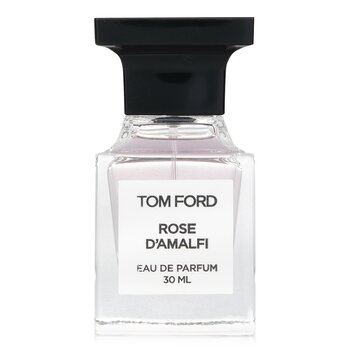
Tom Ford Unisex Rose D Amalfi EDP Spray 1.0 oz Fragrances 888066133388
Summary
This fragrance contains alcohol denat., which can be drying and irritating to the skin, and fragrance (parfum), a complex mixture of synthetic chemicals that may cause allergic reactions or sensitivities. The proprietary nature of the fragrance composition limits transparency, contributing to a moderate processing level and potential health concerns.
At a glance
Key ingredients 19
Alcohol denat.Bad
Alcohol denat. is primarily used as a solvent in fragrances, which can be drying to the skin. It is often denatured to prevent consumption, which involves adding chemicals that can be irritating. In high concentrations, it may cause skin irritation and dryness.
Risks
Can cause skin dryness and irritation, especially with prolonged exposure.
WaterNeutral
Water is used as a solvent and carrier in many cosmetic and fragrance products. It is typically purified to remove impurities and ensure safety. In this context, it serves no nutritional purpose.
See more about Water →Fragrance (parfum)Bad
Fragrance (parfum) is a complex mixture of aromatic compounds used to impart scent. It often contains synthetic chemicals that can cause allergic reactions or skin sensitivities. The exact composition is usually proprietary, making it difficult to assess specific health impacts.
Risks
Potential for allergic reactions and skin sensitivities due to unknown chemical composition.
Pink pepperNeutral
Pink pepper is used for its spicy, aromatic qualities in fragrances. It is derived from the berries of the Peruvian pepper tree and is generally considered safe in topical applications. It does not provide nutritional benefits in this context.
BergamotNeutral
Bergamot is a citrus fruit used for its aromatic oil in fragrances. The oil is extracted through cold pressing, preserving its natural scent profile. It is not consumed in this form, so it offers no nutritional benefits.
See more about Bergamot →Indian mandarinNeutral
Indian mandarin is used for its fresh, citrus scent in perfumery. The oil is typically extracted from the peel through cold pressing. It is not ingested in this form, thus providing no nutritional benefits.
RoseNeutral
Rose is used for its floral fragrance in perfumes. The essential oil is extracted through steam distillation, capturing its aromatic compounds. It does not contribute nutritional value in this application.
HeliotropeNeutral
Heliotrope is used for its sweet, vanilla-like scent in fragrances. The scent is derived from the plant's flowers, often through solvent extraction. It is not consumed, so it offers no nutritional benefits.
AlmondNeutral
Almond is used for its nutty aroma in perfumery. The scent is typically extracted from the nut or its oil. In this context, it does not provide nutritional benefits.
See more about Almond →MuskNeutral
Musk is used for its deep, animalistic scent in fragrances. It is often synthetically produced to mimic natural musk. It is not consumed, thus offering no nutritional benefits.
Red berriesNeutral
Red berries are used for their fruity aroma in perfumes. The scent is typically derived from synthetic compounds or extracts. They do not provide nutritional benefits in this form.
Rose (Bulgaria)Neutral
Rose (Bulgaria) is prized for its rich, floral scent in perfumery. The oil is extracted through steam distillation, maintaining its aromatic properties. It is not consumed, so it offers no nutritional benefits.
Rose (Turkey)Neutral
Rose (Turkey) is used for its distinctive floral fragrance in perfumes. The oil is extracted through steam distillation, preserving its scent profile. It does not provide nutritional benefits in this application.
Rosyfolia (Rose)Neutral
Rosyfolia (Rose) is used for its unique floral scent in fragrances. The scent is typically derived from the plant's flowers through extraction methods. It is not consumed, thus offering no nutritional benefits.
CastoreumNeutral
Castoreum is used for its leathery, animalistic scent in perfumery. It is a natural secretion from beavers, often replaced by synthetic alternatives. It is not consumed, so it provides no nutritional benefits.
MandarinNeutral
Mandarin is used for its fresh, citrus aroma in fragrances. The oil is extracted from the peel, typically through cold pressing. It is not ingested in this form, thus providing no nutritional benefits.
Balsam (Peru)Neutral
Balsam (Peru) is used for its warm, sweet scent in perfumes. It is a resin obtained from the Myroxylon tree, often through tapping. It is not consumed, so it offers no nutritional benefits.
VanillaNeutral
Vanilla is used for its sweet, creamy aroma in fragrances. The scent is derived from the vanilla bean, often through extraction methods. It is not consumed in this form, thus providing no nutritional benefits.
See more about Vanilla →Geranium (Egypt)Neutral
Geranium (Egypt) is used for its floral, rose-like scent in perfumes. The oil is extracted from the plant's leaves through steam distillation. It does not provide nutritional benefits in this application.
Processing
Processed Foods
Get the full breakdown in the Scout app
Scan any product to see lab results, healthy alternatives, and your personalized analysis.
Download on theApp Store