
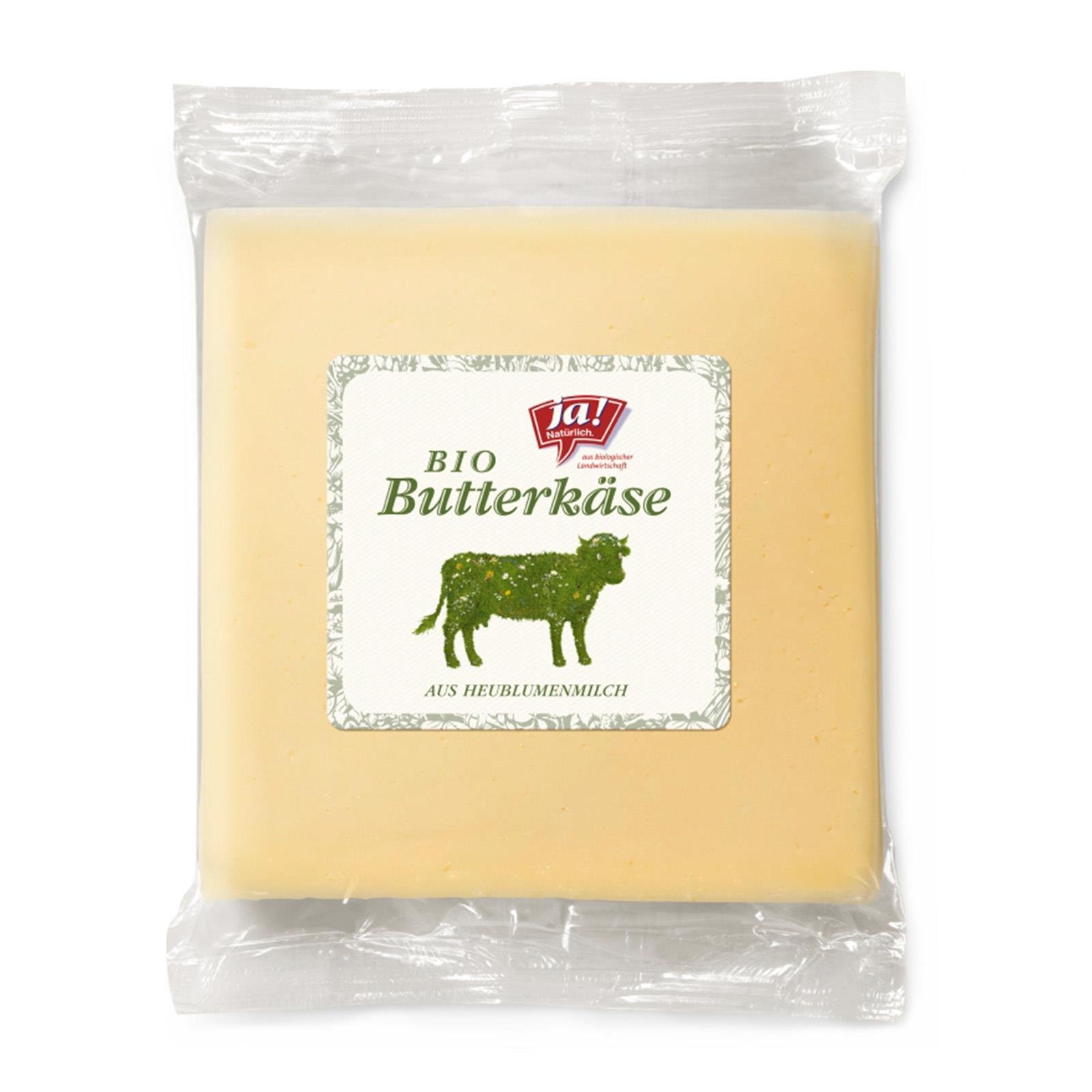


Bio-Butterkäse
Summary
This cheese product is made from simple, clean ingredients including milk, cheese cultures, microbial rennet, and salt, which are essential for cheese production. The absence of harmful additives or seed oils contributes positively to its score. However, as a processed food, its score is capped due to its processing level, despite the high quality of its ingredients.
At a glance
Key ingredients 4
MilkVery Good
Milk is a primary ingredient in cheese, providing essential nutrients like calcium and protein. It is a whole food ingredient that supports bone health and muscle function. The quality of milk can vary, but organic or grass-fed options are typically richer in beneficial fatty acids.
Risks
Potential risks include lactose intolerance or milk allergies in some individuals.
Benefits
Rich in calcium and protein, supporting bone health and muscle maintenance. Contains beneficial fatty acids, especially if sourced from grass-fed cows.
Cheese culturesGood
Cheese cultures are essential for the fermentation process, contributing to the flavor and texture of the cheese. They are natural and help in the development of beneficial bacteria. The use of specific cultures can enhance the nutritional profile of the cheese.
Benefits
Promotes the development of beneficial bacteria, which can aid in digestion and enhance the nutritional profile of the cheese.
Microbial rennetNeutral
Microbial rennet is used to coagulate milk, forming the curds necessary for cheese production. It is a vegetarian alternative to animal rennet and is widely used in cheese making. The microbial source ensures it is suitable for vegetarians.
Benefits
Provides a vegetarian-friendly option for cheese coagulation without compromising the cheese-making process.
Table saltNeutral
Table salt is used in cheese for flavor and as a preservative. It is a common ingredient in many processed foods. While it enhances taste, excessive consumption can lead to health issues.
Risks
High sodium intake can contribute to hypertension and cardiovascular issues if consumed in excess.
Benefits
Enhances flavor and acts as a preservative, extending the shelf life of the cheese.
Processing
Processed Foods
Get the full breakdown in the Scout app
Scan any product to see lab results, healthy alternatives, and your personalized analysis.
Download on theApp Store