
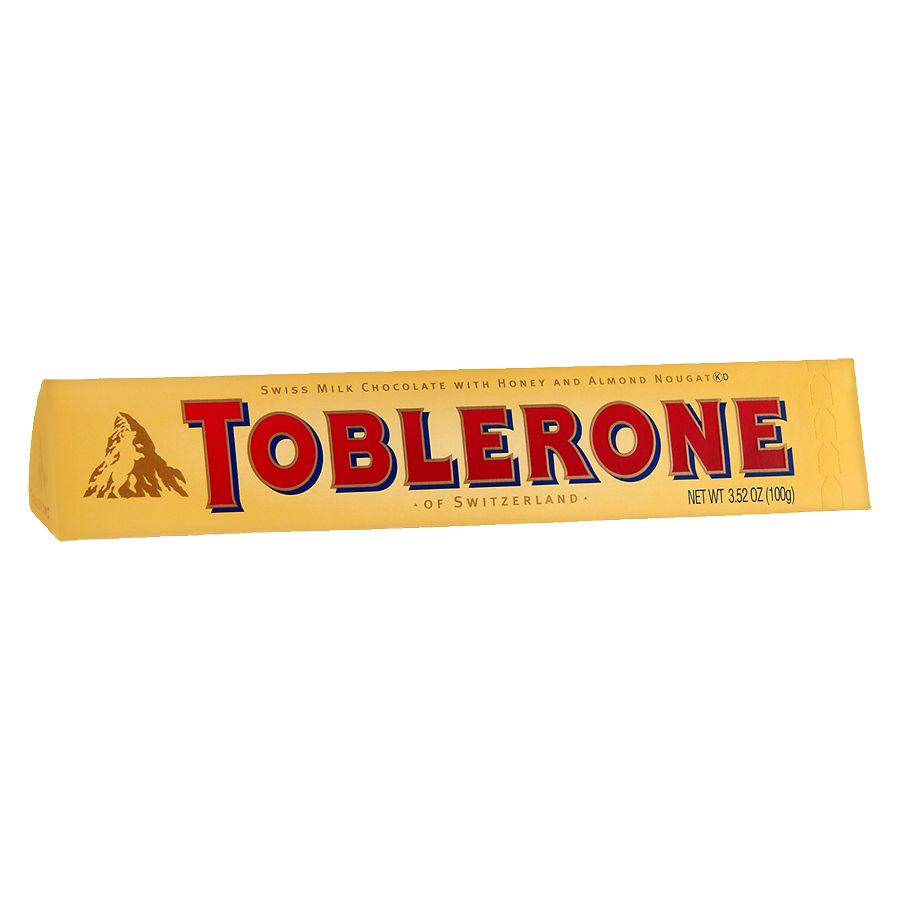

Toblerone
Analysis updated June 2026 · How Scout scores
At a glance
Summary
Toblerone is an ultra-processed chocolate product with a high sugar content, which contributes to its sweet taste but also raises concerns about metabolic health and dental issues. While it contains beneficial ingredients like cocoa butter and almonds, the presence of refined sugars and emulsifiers like soy lecithin indicates a higher level of processing. The product's overall ingredient quality is mixed, with some redeeming qualities but notable issues related to its processing and sugar content.
Key ingredients 11
Cocoa ButterGood
Cocoa butter is a natural fat extracted from cocoa beans, rich in saturated fats. It is known for its smooth texture and is used in chocolate for its melting properties. It contains antioxidants that may support skin health.
Risks
High in calories and saturated fats, which should be consumed in moderation.
Benefits
Contains antioxidants and healthy fats that may benefit skin health and provide a smooth texture to chocolate.
HoneyGood
Traditional whole-food sweetener with trace enzymes and antioxidants.
Risks
High in sugar and calories, which can contribute to weight gain if consumed in excess.
Benefits
Contains antioxidants and has potential antibacterial properties.
AlmondsGood
Almonds are a nutrient-dense nut rich in healthy fats, protein, and fiber. They provide essential nutrients like vitamin E and magnesium. Almonds are known for their heart health benefits and ability to support weight management.
Risks
May cause allergic reactions in individuals with nut allergies.
Benefits
Rich in monounsaturated fats, fiber, and antioxidants, supporting heart health and reducing inflammation.
Whole Milk PowderNeutral
Whole milk powder is a source of protein and calcium but is processed to remove water content. It retains the nutritional profile of milk but lacks the freshness of liquid milk. It is used for its convenience and shelf stability.
Risks
May contain lactose, which can be problematic for lactose-intolerant individuals.
Benefits
Provides protein and calcium, essential for bone health and muscle function.
Cocoa MassNeutral
Cocoa mass is a pure form of chocolate containing both cocoa solids and cocoa butter. It is a primary ingredient in chocolate production, providing flavor and texture. It is minimally processed compared to other chocolate ingredients.
Risks
Contains caffeine and theobromine, which may affect sensitive individuals.
Benefits
Rich in flavonoids, which are antioxidants that may support heart health.
Milk FatNeutral
Milk fat is the fatty component of milk, providing a rich flavor and texture. It is a source of saturated fats and fat-soluble vitamins. It is used in chocolate for its creamy texture.
Risks
High in saturated fats, which should be consumed in moderation to avoid heart disease risk.
Benefits
Provides fat-soluble vitamins such as vitamin A and D.
Egg White PowderNeutral
Egg white powder is a dehydrated form of egg whites, providing a source of protein. It is used for its foaming and binding properties in food products. It retains the nutritional profile of fresh egg whites but lacks freshness.
Risks
May cause allergic reactions in individuals with egg allergies.
Benefits
Provides high-quality protein and is low in fat.
FlavourNeutral
The term 'flavour' is a generic descriptor for added taste components, which can be natural or artificial. It is used to enhance the sensory experience of food products. The lack of specificity makes it difficult to assess the health impact.
Risks
Potential for artificial additives if not specified as natural.
SugarBad
Refined sugar is a high-calorie ingredient with no essential nutrients. It can contribute to weight gain and increase the risk of metabolic diseases. Excessive consumption is linked to dental cavities and insulin resistance.
Risks
High intake of refined sugar can lead to obesity, type 2 diabetes, and heart disease.
Invert SugarBad
Invert sugar is a mixture of glucose and fructose, used to enhance sweetness and moisture retention. It is more rapidly absorbed than regular sugar, potentially leading to spikes in blood sugar levels. It is often used in processed foods for its texture and sweetness.
Risks
Can contribute to obesity and insulin resistance due to rapid absorption and high sugar content.
Emulsifier (Soy Lecithin)Bad
Soy lecithin is a common emulsifier derived from soybeans, used to stabilize and blend ingredients. It is highly processed and may contain traces of soy allergens. It is used in small amounts to improve texture and shelf life.
Risks
May contain soy allergens and is a processed ingredient.
Processing
Ultra-Processed Foods
Get the full breakdown in the Scout appTake Scout shopping
Scan any product to see lab results, healthy alternatives, and your personalized analysis.
Download on theApp Store GET IT ONGoogle PlayAmazon pricing & content
Amazon price as of . Product prices and availability are accurate as of the date/time indicated and are subject to change. Any price and availability information displayed on Amazon.com at the time of purchase will apply to the purchase of this product.
CERTAIN CONTENT THAT APPEARS ON THIS SITE COMES FROM AMAZON. THIS CONTENT IS PROVIDED “AS IS” AND IS SUBJECT TO CHANGE OR REMOVAL AT ANY TIME.