


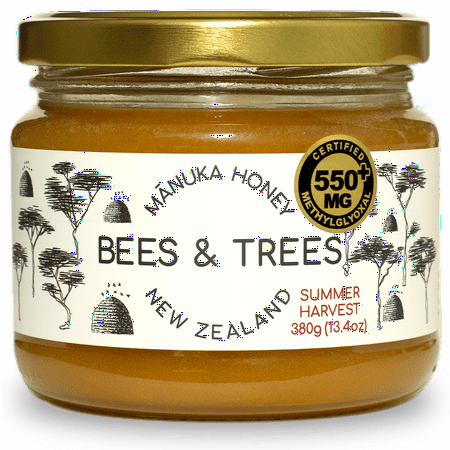
Capilano Honey
Analysis updated August 2026 · How Scout scores
At a glance
Summary
This honey is a minimally processed product with a high level of natural sugars, which are inherent to honey. It contains beneficial enzymes like invertase and diastase, which contribute to its antimicrobial properties and digestive benefits. The product's clean label and minimal processing level make it a high-quality choice within its category.
Key ingredients 12
InvertaseGood
Invertase is an enzyme naturally present in honey that breaks down sucrose into glucose and fructose. It enhances the sweetness and stability of honey. This enzyme contributes to the antimicrobial properties of honey.
Benefits
Invertase enhances the sweetness and stability of honey and contributes to its antimicrobial properties.
DiastaseGood
Diastase is an enzyme in honey that helps break down starches into simpler sugars. It plays a role in the digestive benefits of honey. This enzyme is a marker of honey quality and freshness.
Benefits
Diastase aids in digestion and is a marker of honey quality and freshness.
SugarsNeutral
Sugars are a natural component of honey, providing sweetness and energy. They are minimally processed in honey, retaining some natural enzymes and nutrients. However, excessive consumption can lead to health issues like obesity and diabetes.
Risks
Excessive sugar intake can contribute to obesity, diabetes, and other metabolic disorders.
Benefits
Sugars in honey provide a quick source of energy and can have antimicrobial properties due to the presence of natural enzymes.
WaterNeutral
Water is a natural component of honey, contributing to its viscosity and texture. It is essential for the enzymatic activities that occur in honey. The water content in honey is low, which helps in preserving its shelf life.
Benefits
Water in honey helps maintain its texture and supports the enzymatic activities that contribute to its health benefits.
SaccharoseNeutral
Saccharose, or sucrose, is a disaccharide sugar found in small amounts in honey. It is composed of glucose and fructose and provides energy. In honey, it is present in minimal amounts, reducing potential negative impacts.
Risks
Excessive intake of sucrose can lead to obesity and dental cavities.
Benefits
Saccharose provides energy and is present in minimal amounts in honey, reducing potential negative impacts.
CatalaseNeutral
Catalase is an enzyme in honey that helps break down hydrogen peroxide, a byproduct of honey's antimicrobial activity. It contributes to the stability and safety of honey. Its presence is a natural part of honey's enzymatic profile.
Benefits
Catalase contributes to the antimicrobial properties and stability of honey.
PhosphataseNeutral
Phosphatase is an enzyme in honey that plays a role in its natural enzymatic activity. It is involved in the breakdown of organic phosphates. Its presence is a natural part of honey's enzymatic profile.
Benefits
Phosphatase contributes to the enzymatic activity and potential health benefits of honey.
InhibineNeutral
Inhibine is a natural component of honey with antimicrobial properties. It helps preserve honey and contributes to its health benefits. Its presence is a natural part of honey's composition.
Benefits
Inhibine contributes to the antimicrobial properties and preservation of honey.
Flavour materialsNeutral
Flavour materials in honey are natural compounds that contribute to its unique taste and aroma. They are derived from the nectar of flowers and vary depending on the source of the honey. These compounds enhance the sensory experience of consuming honey.
Benefits
Flavour materials enhance the taste and aroma of honey, contributing to its sensory appeal.
VitaminsNeutral
Vitamins in honey are present in trace amounts and contribute to its nutritional profile. They include B vitamins and vitamin C, which support various bodily functions. However, the amounts are typically too low to have significant health impacts.
Benefits
Vitamins in honey contribute to its nutritional profile, although in trace amounts.
GlucoseBad
Processed additive flagged under Scout's ingredient doctrine.
Risks
High intake of glucose can lead to increased blood sugar levels and contribute to metabolic disorders.
Benefits
Glucose provides a quick source of energy and is a natural component of honey.
FructoseBad
Processed additive flagged under Scout's ingredient doctrine.
Risks
Excessive fructose intake can lead to insulin resistance and liver fat accumulation.
Benefits
Fructose provides sweetness and energy, and is a natural component of honey.
Processing
Unprocessed or Minimally Processed Foods
Get the full breakdown in the Scout appTake Scout shopping
Scan any product to see lab results, healthy alternatives, and your personalized analysis.
Download on theApp Store GET IT ONGoogle PlayAmazon pricing & content
Amazon price as of . Product prices and availability are accurate as of the date/time indicated and are subject to change. Any price and availability information displayed on Amazon.com at the time of purchase will apply to the purchase of this product.
CERTAIN CONTENT THAT APPEARS ON THIS SITE COMES FROM AMAZON. THIS CONTENT IS PROVIDED “AS IS” AND IS SUBJECT TO CHANGE OR REMOVAL AT ANY TIME.