

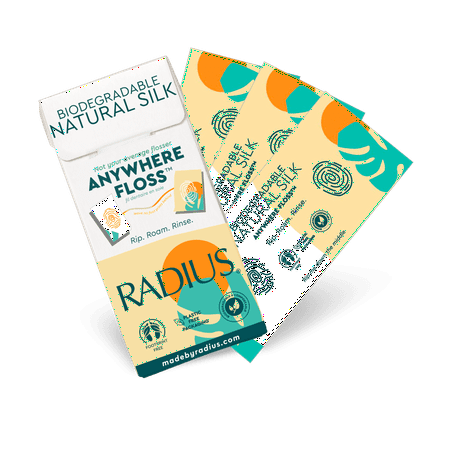
Grants Of Australia Fresh Mint Nat Toothpaste 10 Sachet 0.1oz (2 Pack)
Analysis updated August 2026 · How Scout scores
At a glance
Summary
This toothpaste features a clean formula with beneficial ingredients like xylitol, aloe vera, and natural mint oils, which support oral health by reducing harmful bacteria and soothing oral tissues. The absence of harmful chemicals such as SLS, fluoride, and artificial additives contributes to its high rating, making it a safe and effective choice for oral care.
Key ingredients 21
Aloe barbadensis leaf juiceVery Good
Aloe barbadensis leaf juice is known for its soothing and anti-inflammatory properties, beneficial for oral health. It is certified organic, indicating high quality and minimal processing. It can help soothe gums and reduce irritation.
Benefits
It provides soothing effects and can help reduce gum inflammation.
XylitolVery Good
Xylitol is a sugar alcohol that helps prevent tooth decay by inhibiting the growth of cavity-causing bacteria. It is a natural sweetener that does not contribute to tooth decay, making it beneficial for oral health. Additionally, it can help maintain moisture in the mouth.
Risks
Excessive consumption may lead to digestive discomfort.
Benefits
It helps reduce the risk of cavities and promotes oral health.
GlycerinGood
Beneficial ingredient — whole-food or functional value in this product class.
See more about Glycerin →Dicalcium phosphate dihydrateGood
Dicalcium phosphate dihydrate is used as a polishing agent and to provide calcium and phosphate ions, which are beneficial for tooth remineralization. It is a safe and effective ingredient in oral care products. It helps strengthen tooth enamel and prevent decay.
Benefits
It aids in tooth remineralization and strengthens enamel.
SteviosideGood
Stevioside is a natural sweetener derived from the stevia plant, providing sweetness without contributing to tooth decay. It is minimally processed and considered safe for oral care products. It enhances the taste of toothpaste without negative health impacts.
Benefits
It provides sweetness without increasing the risk of cavities.
Mint oilGood
Mint oil is added for its refreshing flavor and potential antibacterial properties. It is derived from natural sources and minimally processed, enhancing the freshness of breath. It contributes to a pleasant taste and may support oral hygiene.
Benefits
It provides a refreshing flavor and may have antibacterial effects.
Eucalyptus oilGood
Eucalyptus oil is known for its antimicrobial properties, which can help maintain oral hygiene. It is extracted from eucalyptus leaves and is used for its natural benefits in oral care. It contributes to reducing bacteria in the mouth.
Benefits
It has antimicrobial properties that support oral health.
CardamonGood
Cardamon is used for its aromatic properties and potential antimicrobial effects. It is a natural spice that is minimally processed, adding flavor and potential health benefits. It may help in reducing oral bacteria and freshening breath.
Benefits
It provides flavor and may have antimicrobial properties.
AniseGood
Anise is included for its flavor and potential antimicrobial benefits. It is a natural spice that is minimally processed, enhancing the taste of the toothpaste. It may help in reducing oral bacteria and improving breath freshness.
Benefits
It provides flavor and may have antimicrobial properties.
CarawayGood
Caraway is used for its aromatic properties and potential antimicrobial effects. It is a natural spice that is minimally processed, contributing to the flavor profile of the toothpaste. It may help in reducing oral bacteria and freshening breath.
Benefits
It provides flavor and may have antimicrobial properties.
CorianderGood
Coriander is included for its flavor and potential antimicrobial benefits. It is a natural spice that is minimally processed, enhancing the taste of the toothpaste. It may help in reducing oral bacteria and improving breath freshness.
Benefits
It provides flavor and may have antimicrobial properties.
RosemaryGood
Rosemary is known for its aromatic properties and potential antimicrobial effects. It is a natural herb that is minimally processed, adding flavor and potential health benefits. It may help in reducing oral bacteria and freshening breath.
Benefits
It provides flavor and may have antimicrobial properties.
Clary sageGood
Clary sage is used for its aromatic properties and potential antimicrobial effects. It is a natural herb that is minimally processed, contributing to the flavor profile of the toothpaste. It may help in reducing oral bacteria and freshening breath.
Benefits
It provides flavor and may have antimicrobial properties.
Calcium carbonateNeutral
Standard formulation ingredient — neither beneficial nor harmful at typical use.
Benefits
It helps in cleaning teeth and maintaining oral hygiene by removing plaque.
WaterNeutral
Water is used as a solvent to dissolve other ingredients and provide the desired consistency. It is essential for the formulation but does not contribute directly to oral health. The quality and purity of water are crucial to ensure no contaminants are present.
See more about Water →SilicaNeutral
Anti-caking mineral — inert and unabsorbed.
Benefits
It aids in cleaning teeth and maintaining oral hygiene.
Cellulose gumNeutral
Cellulose gum is used as a thickening agent to provide the desired texture and consistency in toothpaste. It is derived from plant fibers and is generally considered safe. It does not contribute directly to oral health benefits.
See more about Cellulose gum →Flavour/aromaNeutral
Flavour/aroma is added to improve the taste and user experience of the toothpaste. It is derived from natural herbal extracts, ensuring a pleasant taste without synthetic additives. It does not contribute directly to oral health benefits.
Magnesium hydroxideNeutral
Magnesium hydroxide is used as a mild abrasive and pH adjuster in toothpaste. It is naturally occurring and processed for safety and effectiveness. It does not directly contribute to oral health benefits.
See more about Magnesium hydroxide →Potassium chlorideNeutral
Potassium chloride is used to help reduce tooth sensitivity by blocking nerve signals. It is a naturally occurring mineral that is processed for use in oral care products. It provides relief for sensitive teeth without adverse effects.
Benefits
It helps reduce tooth sensitivity and provides relief.
Sodium lauroyl sarcosinateBad
Processed additive flagged under Scout's ingredient doctrine.
See more about Sodium lauroyl sarcosinate →Processing
Processed Culinary Ingredients
Get the full breakdown in the Scout appTake Scout shopping
Scan any product to see lab results, healthy alternatives, and your personalized analysis.
Download on theApp Store GET IT ONGoogle PlayAmazon pricing & content
Amazon price as of . Product prices and availability are accurate as of the date/time indicated and are subject to change. Any price and availability information displayed on Amazon.com at the time of purchase will apply to the purchase of this product.
CERTAIN CONTENT THAT APPEARS ON THIS SITE COMES FROM AMAZON. THIS CONTENT IS PROVIDED “AS IS” AND IS SUBJECT TO CHANGE OR REMOVAL AT ANY TIME.