
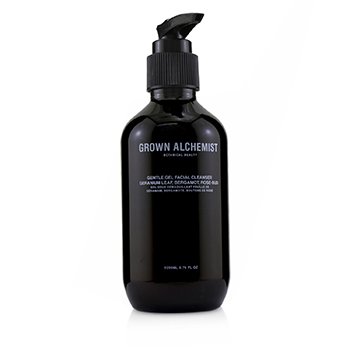
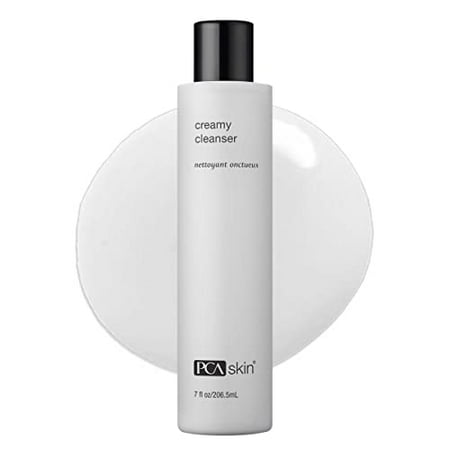
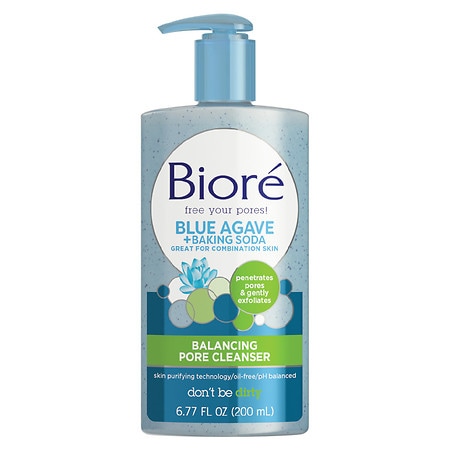
Aesop In Two Minds Facial Cleanser at Nordstrom, Size 3.4 Oz
Summary
This facial cleanser contains a mix of natural and synthetic ingredients, including some botanicals like aloe vera, which are beneficial for the skin. However, the presence of synthetic fragrance and other potential irritants slightly lowers its safety profile. The product is moderately processed, which affects its overall rating.
At a glance
Key ingredients 24
Water (Aqua)Neutral
Water is a universal solvent used to dissolve other ingredients. It acts as a base for the formulation. It does not provide direct benefits or risks.
Benefits
Essential for dissolving and mixing other ingredients effectively.
Sodium Laurylglucosides HydroxypropylsulfonateNeutral
This is a mild surfactant used for cleansing and foaming. It is derived from natural sources and is less irritating than traditional sulfates. It is generally considered safe for most skin types.
Risks
May cause mild irritation in very sensitive skin.
Benefits
Provides effective cleansing without the harshness of traditional sulfates.
Cocamidopropyl HydroxysultaineNeutral
This is a surfactant and foam booster derived from coconut oil. It is used to enhance the texture and feel of the product. It is generally well-tolerated by the skin.
Risks
Potential for mild irritation in sensitive individuals.
Benefits
Improves the foaming and cleansing properties of the product.
PEG-40 Hydrogenated Castor OilNeutral
This is an emulsifier and surfactant that helps to mix oil and water-based ingredients. It is derived from castor oil and is commonly used in cosmetics. It is generally considered safe for use.
Risks
May cause irritation if used in high concentrations.
Benefits
Helps to stabilize and improve the texture of the formulation.
SorbitolNeutral
Sorbitol is a sugar alcohol used as a humectant to retain moisture in the skin. It helps to prevent the product from drying out. It is generally safe and non-irritating.
Risks
Excessive use may lead to a sticky feeling on the skin.
Benefits
Helps to keep the skin hydrated and maintain product consistency.
Hamamelis Virginiana (Witch Hazel) Water
Witch hazel water is a natural astringent known for its soothing and anti-inflammatory properties. It is often used to reduce skin irritation and redness. It is beneficial for oily and acne-prone skin.
Risks
May cause dryness or irritation in very sensitive skin.
Benefits
Helps to soothe and calm irritated skin while reducing excess oil.
Sodium Methyl Cocoyl TaurateNeutral
This is a mild surfactant derived from coconut oil and taurine. It is used for its gentle cleansing properties. It is generally considered safe and non-irritating.
Risks
Minimal risk of irritation compared to harsher surfactants.
Benefits
Provides gentle cleansing suitable for sensitive skin.
Sodium ChlorideNeutral
Sodium chloride, or table salt, is used to thicken and stabilize formulations. It is a common ingredient in many personal care products. It is generally safe and non-irritating.
Risks
Excessive amounts can lead to dryness.
Benefits
Helps to improve the texture and stability of the product.
Phenoxyethanol
Phenoxyethanol is a preservative used to prevent microbial growth in cosmetics. It is effective at low concentrations but can be irritating to some individuals. It is a common alternative to parabens.
Risks
Potential for skin irritation and allergic reactions in sensitive individuals.
Benefits
Provides effective preservation to extend the shelf life of the product.
PEG-120 Methyl Glucose DioleateNeutral
This is an emulsifier and thickener used to improve the texture of formulations. It is derived from glucose and oleic acid. It is generally considered safe for use in cosmetics.
Risks
May cause mild irritation in sensitive skin.
Benefits
Enhances the texture and stability of the product.
Polysorbate 80Neutral
Polysorbate 80 is an emulsifier used to mix oil and water-based ingredients. It is commonly used in cosmetics to improve texture and stability. It is generally considered safe for use.
Risks
Potential for mild irritation in sensitive individuals.
Benefits
Helps to stabilize and improve the consistency of the formulation.
Lavandula Angustifolia (Lavender) Oil
Lavender oil is a natural essential oil known for its calming and soothing properties. It is often used in skincare for its pleasant aroma and potential skin benefits. It is beneficial for reducing stress and promoting relaxation.
Risks
May cause irritation or allergic reactions in sensitive skin.
Benefits
Provides a calming effect and pleasant fragrance to the product.
Sodium DehydroacetateNeutral
Sodium dehydroacetate is a preservative used to prevent microbial growth in cosmetics. It is effective at low concentrations and is generally considered safe. It helps to extend the shelf life of the product.
Risks
Potential for mild irritation in sensitive individuals.
Benefits
Provides effective preservation to maintain product safety.
Sodium GluconateNeutral
Sodium gluconate is a chelating agent used to improve the stability of formulations. It helps to prevent the degradation of other ingredients. It is generally considered safe and non-irritating.
Benefits
Enhances the stability and effectiveness of the product.
Ormenis Multicaulis Oil
Ormenis multicaulis oil, also known as Moroccan chamomile oil, is known for its soothing and anti-inflammatory properties. It is used in skincare for its calming effects on the skin. It is beneficial for sensitive and irritated skin.
Risks
May cause irritation in very sensitive individuals.
Benefits
Helps to soothe and calm the skin, reducing redness and irritation.
Rosmarinus Officinalis (Rosemary) Leaf Oil
Rosemary leaf oil is a natural essential oil with antioxidant and antimicrobial properties. It is used in skincare for its potential to improve circulation and promote healthy skin. It is beneficial for its refreshing aroma and skin-enhancing properties.
Risks
May cause irritation or allergic reactions in sensitive skin.
Benefits
Provides antioxidant benefits and a refreshing scent to the product.
Citric AcidNeutral
Citric acid is used to adjust the pH of cosmetic formulations. It is a natural acid found in citrus fruits and is generally considered safe. It helps to maintain the stability and effectiveness of the product.
Risks
May cause irritation in sensitive skin if used in high concentrations.
Benefits
Helps to balance the pH and improve the stability of the formulation.
Salicylic Acid
Salicylic acid is a beta hydroxy acid known for its exfoliating and acne-fighting properties. It is commonly used in skincare to unclog pores and reduce acne. It is beneficial for oily and acne-prone skin.
Risks
May cause dryness or irritation in sensitive skin.
Benefits
Helps to exfoliate the skin and reduce acne breakouts.
Coconut AcidNeutral
Coconut acid is derived from coconut oil and is used as a surfactant and emulsifier. It helps to cleanse and stabilize formulations. It is generally considered safe and non-irritating.
Risks
Minimal risk of irritation compared to harsher surfactants.
Benefits
Provides gentle cleansing and improves product stability.
Salvia Officinalis (Sage) Oil
Sage oil is a natural essential oil with antimicrobial and antioxidant properties. It is used in skincare for its potential to improve skin health and reduce inflammation. It is beneficial for its refreshing aroma and skin-enhancing properties.
Risks
May cause irritation or allergic reactions in sensitive skin.
Benefits
Provides antimicrobial benefits and a refreshing scent to the product.
Benzoic AcidNeutral
Benzoic acid is a preservative used to prevent microbial growth in cosmetics. It is effective at low concentrations and is generally considered safe. It helps to extend the shelf life of the product.
Risks
Potential for mild irritation in sensitive individuals.
Benefits
Provides effective preservation to maintain product safety.
Tocopherol
Tocopherol, also known as Vitamin E, is a powerful antioxidant used in skincare. It helps to protect the skin from free radical damage and improve moisture retention. It is beneficial for its skin-nourishing and protective properties.
Risks
Generally considered safe with minimal risk of irritation.
Benefits
Provides antioxidant protection and enhances skin hydration.
LinaloolNeutral
Linalool is a naturally occurring terpene alcohol found in many essential oils. It is used for its fragrance and potential calming effects. It is generally considered safe in low concentrations.
Risks
May cause irritation or allergic reactions in sensitive skin.
Benefits
Provides a pleasant fragrance and potential calming effects.
LimoneneNeutral
Limonene is a naturally occurring compound found in citrus oils. It is used for its fragrance and potential antioxidant properties. It is generally considered safe in low concentrations.
Risks
May cause irritation or allergic reactions in sensitive skin.
Benefits
Provides a refreshing citrus scent and potential antioxidant benefits.
Processing
Processed Foods
Get the full breakdown in the Scout app
Scan any product to see lab results, healthy alternatives, and your personalized analysis.
Download on theApp Store