

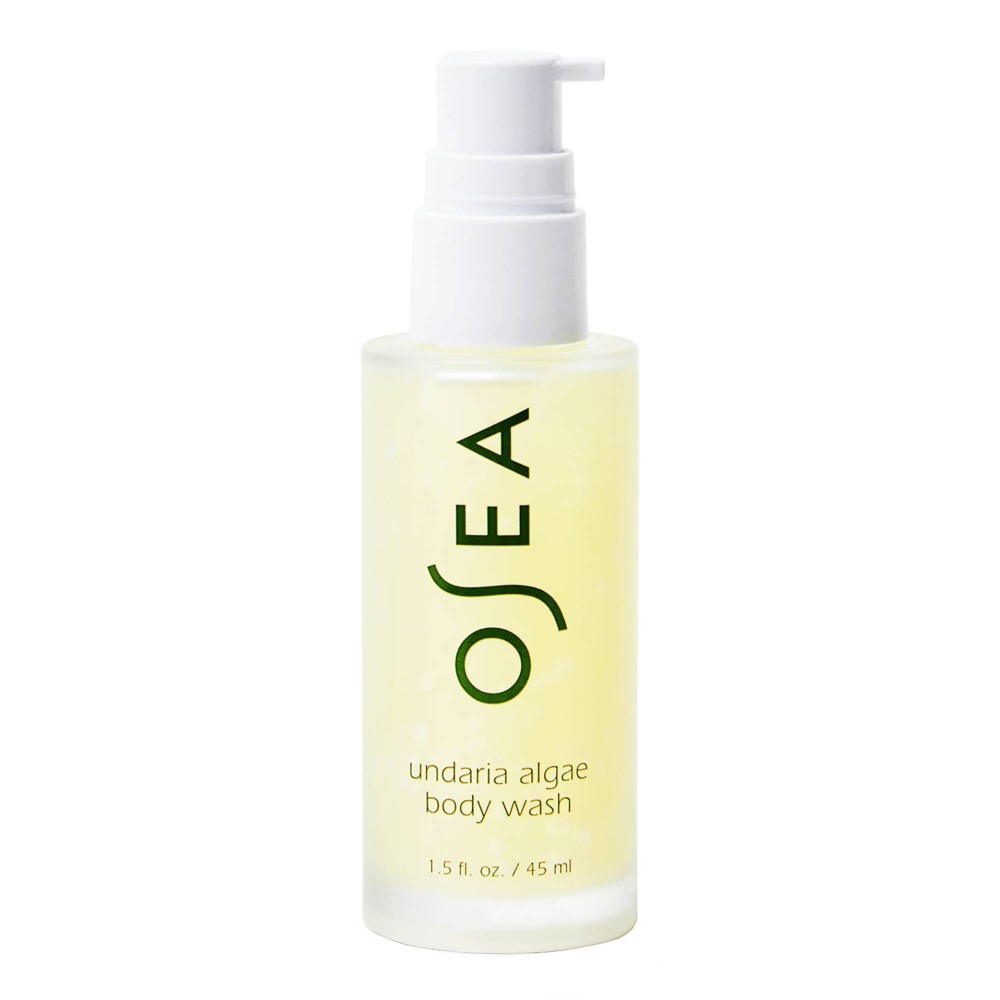
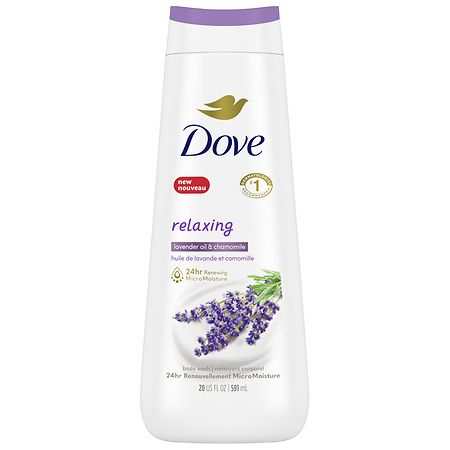
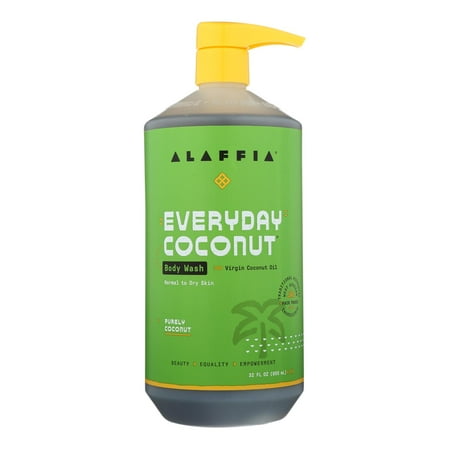

Aesop Geranium Leaf Body Cleanser in Travel at Nordstrom, Size 3.4 Oz
Summary
This body cleanser contains several beneficial natural ingredients like pumice and bamboo extract, which provide gentle exfoliation, and essential oils that enhance fragrance and skin benefits. However, the presence of phenoxyethanol, a synthetic preservative, and limonene, which can cause skin sensitization, are notable concerns. The product is moderately processed, which limits its score potential despite the inclusion of mostly natural ingredients.
At a glance
Key ingredients 21
WaterNeutral
Water is the primary solvent in this formulation, providing a base for other ingredients. It is typically purified to remove impurities and ensure safety. No significant interactions or concerns are associated with its use in this context.
See more about Water →PumiceGood
Pumice is a natural exfoliant used to remove dead skin cells and smooth the skin. It is derived from volcanic rock and is minimally processed. Its physical exfoliation properties are beneficial for skin texture improvement.
Risks
Overuse may cause skin irritation or micro-tears.
Benefits
Provides effective physical exfoliation, improving skin texture and appearance.
Sodium LauroamphoacetateNeutral
Sodium Lauroamphoacetate is a mild surfactant that helps cleanse the skin by breaking down oils and dirt. It is derived from coconut oil and is considered gentle on the skin. It is often used in formulations for sensitive skin due to its low irritation potential.
Benefits
Offers gentle cleansing properties suitable for sensitive skin.
Sodium Methyl Cocoyl TaurateGood
Sodium Methyl Cocoyl Taurate is a mild surfactant derived from coconut fatty acids. It provides gentle cleansing without stripping the skin of natural oils. Its use is favored in formulations for sensitive skin due to its low irritation potential.
Benefits
Provides mild cleansing while maintaining skin's natural moisture balance.
Acrylates CopolymerNeutral
Acrylates Copolymer is used as a film-forming agent to improve product texture and stability. It is synthetically derived and helps in forming a protective layer on the skin. Its use is common in personal care products for enhancing product performance.
Risks
Potential for skin irritation in sensitive individuals.
Benefits
Improves product texture and stability, enhancing user experience.
Sodium ChlorideNeutral
Sodium Chloride, or table salt, is used to adjust the viscosity of the product. It is a natural mineral and is generally considered safe in cosmetic formulations. Its role is primarily functional, contributing to the product's consistency.
Benefits
Helps in adjusting product viscosity for optimal application.
Coco-BetaineGood
Coco-Betaine is a mild surfactant derived from coconut oil, used for its cleansing and foaming properties. It is known for being gentle on the skin and hair, making it suitable for sensitive skin formulations. It also helps in reducing static and improving product feel.
Benefits
Provides gentle cleansing and foaming, suitable for sensitive skin.
1,2-HexanediolNeutral
1,2-Hexanediol is a synthetic preservative and humectant used to enhance product shelf life and moisture retention. It is effective in preventing microbial growth in formulations. Its use is common in cosmetics for its dual functionality.
Risks
Potential for skin irritation in sensitive individuals.
Benefits
Enhances product preservation and moisture retention.
PhenoxyethanolBad
Phenoxyethanol is a synthetic preservative used to prevent microbial growth in cosmetic products. It is effective but can cause skin irritation and allergic reactions in some individuals. Its use is controversial due to potential toxicity concerns at high concentrations.
Risks
May cause skin irritation and allergic reactions.
Benefits
Provides effective preservation against microbial contamination.
Citric AcidNeutral
Citric Acid is used to adjust the pH of cosmetic formulations, ensuring product stability and skin compatibility. It is naturally derived from citrus fruits and is generally considered safe. Its role is primarily functional, contributing to product efficacy.
Benefits
Helps maintain product pH balance for optimal performance.
Bambusa Arundinacea Stem ExtractGood
Bambusa Arundinacea Stem Extract is a natural exfoliant derived from bamboo, used for its gentle abrasive properties. It is minimally processed and provides a natural alternative to synthetic exfoliants. Its use enhances skin texture and appearance.
Benefits
Offers natural exfoliation, improving skin texture and appearance.
Citrus Aurantium Bergamia (Bergamot) Fruit OilGood
Bergamot Fruit Oil is a natural essential oil known for its refreshing scent and potential antimicrobial properties. It is extracted through cold pressing, preserving its beneficial compounds. Its use in cosmetics is valued for both fragrance and skin benefits.
Risks
May cause photosensitivity if exposed to sunlight after application.
Benefits
Provides a refreshing scent and potential antimicrobial benefits.
Citrus Nobilis (Mandarin Orange) Peel OilGood
Mandarin Orange Peel Oil is a natural essential oil used for its pleasant fragrance and potential antioxidant properties. It is extracted through cold pressing, maintaining its natural compounds. Its use enhances the sensory experience of the product.
Benefits
Offers a pleasant fragrance and potential antioxidant benefits.
Pelargonium Graveolens ExtractGood
Pelargonium Graveolens Extract, commonly known as geranium extract, is used for its soothing and balancing properties on the skin. It is derived from the geranium plant and is minimally processed. Its use is beneficial for maintaining skin health and balance.
Benefits
Provides soothing and balancing effects on the skin.
Coconut AcidNeutral
Coconut Acid is a fatty acid derived from coconut oil, used for its cleansing and emulsifying properties. It is a natural ingredient that helps in forming a stable emulsion in formulations. Its use is common in personal care products for its functional benefits.
Benefits
Contributes to cleansing and emulsifying properties in formulations.
EthylhexylglycerinNeutral
Ethylhexylglycerin is a synthetic compound used as a preservative and skin conditioning agent. It enhances the efficacy of other preservatives and provides moisturizing benefits. Its use is common in cosmetics for its dual functionality.
Risks
Potential for skin irritation in sensitive individuals.
Benefits
Enhances preservation and provides skin conditioning benefits.
QuartzNeutral
Quartz is used as a natural exfoliant in cosmetic formulations, providing gentle abrasive properties. It is a mineral that is minimally processed and used for its physical exfoliation benefits. Its role is primarily functional, contributing to skin texture improvement.
Benefits
Provides gentle physical exfoliation, improving skin texture.
LimoneneBad
Limonene is a naturally occurring compound found in citrus oils, used for its fragrance and potential antimicrobial properties. It is prone to oxidation, which can lead to skin sensitization. Its use is common in cosmetics for its scent-enhancing properties.
Risks
May cause skin sensitization upon oxidation.
Benefits
Provides a citrus fragrance and potential antimicrobial benefits.
LinaloolNeutral
Linalool is a naturally occurring terpene alcohol found in many flowers and spice plants, used for its fragrance. It is commonly used in cosmetics for its pleasant scent. Its role is primarily sensory, enhancing the fragrance profile of products.
Risks
May cause skin irritation or allergic reactions in sensitive individuals.
Benefits
Contributes to a pleasant fragrance in cosmetic formulations.
CitronellolNeutral
Citronellol is a naturally occurring fragrance compound found in essential oils such as rose and geranium. It is used for its floral scent and is a common ingredient in perfumes and cosmetics. Its role is primarily sensory, enhancing the fragrance profile of products.
Risks
May cause skin irritation or allergic reactions in sensitive individuals.
Benefits
Provides a floral fragrance, enhancing the sensory experience.
GeraniolNeutral
Geraniol is a naturally occurring fragrance compound found in essential oils such as rose and citronella. It is used for its pleasant floral scent and is a common ingredient in perfumes and cosmetics. Its role is primarily sensory, enhancing the fragrance profile of products.
Risks
May cause skin irritation or allergic reactions in sensitive individuals.
Benefits
Contributes to a pleasant floral fragrance in cosmetic formulations.
Processing
Processed Foods
Get the full breakdown in the Scout app
Scan any product to see lab results, healthy alternatives, and your personalized analysis.
Download on theApp Store