
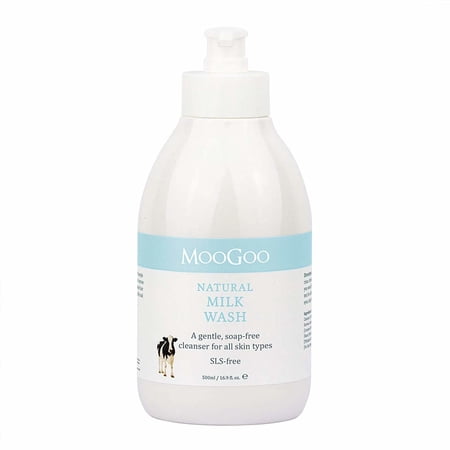

MooGoo Natural Milk Wash Face Cleanser for All Over Your Body 16.9 Ounces
Analysis updated June 2026 · How Scout scores
At a glance
Summary
This face cleanser contains mild surfactants like cocamidopropyl betaine and glucosides, which are generally considered safe and gentle on the skin. However, the presence of 'fragrance' is a concern due to potential undisclosed synthetic chemicals, which can be irritating or allergenic. The product is moderately processed, which slightly impacts its overall score despite the inclusion of mostly safe ingredients.
Key ingredients 8
Hydrolyzed Milk ProteinVery Good
Hydrolyzed Milk Protein can help nourish and moisturize the skin, making it a beneficial ingredient in cleansing products.
See more about Hydrolyzed Milk Protein →Decyl GlucosideGood
Beneficial ingredient — whole-food or functional value in this product class.
See more about Decyl Glucoside →AquaNeutral
Aqua, or water, is a common base in cleansers that helps to hydrate and dissolve other ingredients without adding any strong effects.
See more about Aqua →Cocamidopropyl BetaineNeutral
Standard formulation ingredient — neither beneficial nor harmful at typical use.
See more about Cocamidopropyl Betaine →Glyceryl CaprylateNeutral
Glyceryl Caprylate is used as a skin conditioning agent and preservative, generally considered safe and non-irritating.
See more about Glyceryl Caprylate →Glycol DistearateNeutral
Glycol Distearate is often used to add a pearlescent appearance and texture to products, with minimal skin impact.
See more about Glycol Distearate →Lauryl GlucosideNeutral
Lauryl Glucoside is a gentle surfactant derived from natural sources, helping to cleanse without harsh effects.
See more about Lauryl Glucoside →FragranceVery Bad
Fragrance is added for scent but can be a common irritant or allergen for sensitive skin types.
See more about Fragrance →Processing
Processed Foods
Get the full breakdown in the Scout appTake Scout shopping
Scan any product to see lab results, healthy alternatives, and your personalized analysis.
Download on theApp Store GET IT ONGoogle PlayAmazon pricing & content
Amazon price as of . Product prices and availability are accurate as of the date/time indicated and are subject to change. Any price and availability information displayed on Amazon.com at the time of purchase will apply to the purchase of this product.
CERTAIN CONTENT THAT APPEARS ON THIS SITE COMES FROM AMAZON. THIS CONTENT IS PROVIDED “AS IS” AND IS SUBJECT TO CHANGE OR REMOVAL AT ANY TIME.