


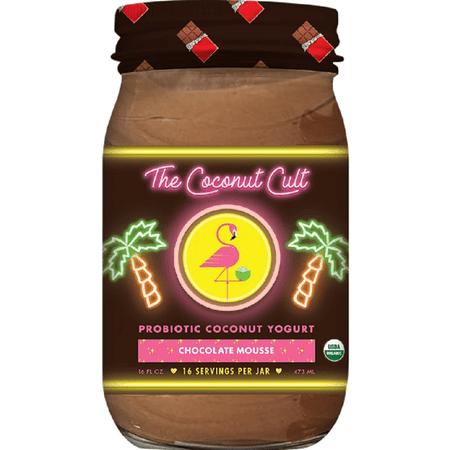


At a glance
Summary
This yogurt contains beneficial ingredients like coconut milk, carob bean extract, and cultures, which contribute to its nutritional profile and texture. However, the presence of cane sugar adds unnecessary refined sugars, which can impact health negatively when consumed in excess. The product is moderately processed, which limits its score despite the inclusion of some healthy components.
Key ingredients 10
Coconut milkGood
Coconut milk is a plant-based milk alternative rich in medium-chain triglycerides (MCTs). It provides a creamy texture and a source of healthy fats. Its natural sweetness and flavor enhance the taste of the product.
Risks
High in saturated fats, which may be a concern for individuals with specific dietary restrictions.
Benefits
Rich in MCTs, which can provide quick energy and may support metabolic health.
Carob bean extractGood
Carob bean extract is a natural thickening agent derived from the seeds of the carob tree. It is used to improve the texture and stability of food products. It is a natural alternative to synthetic thickeners.
Benefits
Enhances texture and stability of food products while being a natural, plant-based ingredient.
CulturesGood
Cultures are beneficial bacteria used in the fermentation of yogurt. They contribute to gut health by promoting a healthy microbiome. Fermentation also enhances the nutritional profile of the yogurt.
Benefits
Supports digestive health and enhances the nutritional value of yogurt through fermentation.
WaterNeutral
Water is a neutral ingredient used as a base or solvent in many food products. It does not contribute any calories or nutrients. Its presence is essential for consistency and texture in yogurt products.
See more about Water →Pea proteinNeutral
Pea protein is a plant-based protein source that is often used in vegan products. It provides a good amino acid profile but may not be as complete as animal-based proteins. It is less processed than some other plant-based proteins.
Risks
May cause digestive discomfort in some individuals due to its fiber content.
Benefits
Offers a plant-based protein option that is allergen-friendly and supports muscle maintenance.
Faba proteinNeutral
Faba protein is derived from fava beans and is used as a plant-based protein source. It is less common than pea protein but provides a similar nutritional profile. It is typically used to enhance protein content in vegan products.
Risks
May cause allergic reactions in individuals sensitive to legumes.
Benefits
Provides a plant-based protein source that is rich in essential amino acids.
Native starchNeutral
Native starch is used as a thickening agent in food products. It is minimally processed and helps improve the texture and consistency of the yogurt. It does not contribute significant nutritional value.
Benefits
Helps improve the texture and consistency of food products without adding calories.
Calcium phosphateNeutral
Calcium phosphate is used as a mineral supplement to fortify foods with calcium. It helps improve bone health by providing an essential mineral. It is generally recognized as safe when used in food products.
Risks
Excessive intake may lead to imbalances in mineral levels.
Benefits
Provides a source of calcium, which is essential for bone health and metabolic functions.
AgarNeutral
Agar is a gelatinous substance derived from seaweed, used as a thickening agent. It is a natural alternative to animal-based gelatins. It is commonly used in vegan and vegetarian products.
Risks
Excessive consumption may cause digestive issues due to its high fiber content.
Benefits
Provides a plant-based thickening option that is suitable for vegan diets.
Cane sugarBad
Cane sugar is a refined sugar used to sweeten food products. It contributes to the calorie content without providing essential nutrients. Excessive consumption of refined sugars is linked to various health issues.
Risks
High intake of refined sugars can lead to weight gain, insulin resistance, and dental issues.
Benefits
Provides sweetness that enhances the flavor profile of the product.
Processing
Processed Foods
Get the full breakdown in the Scout appTake Scout shopping
Scan any product to see lab results, healthy alternatives, and your personalized analysis.
Download on theApp Store GET IT ONGoogle Play