


At a glance
Summary
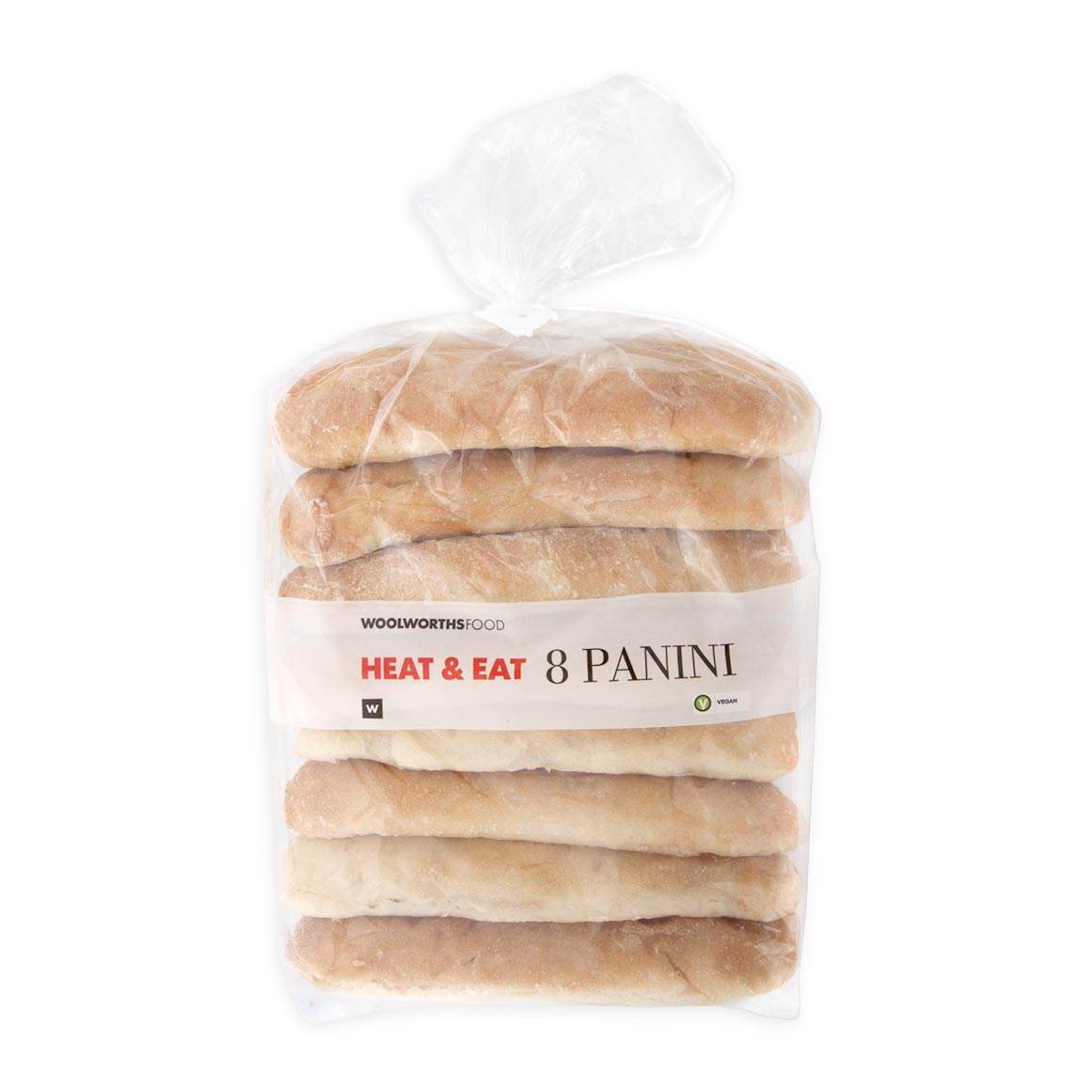
The Panini roll is a processed food with a relatively simple ingredient list, primarily consisting of wheat flour, water, salt, and yeast. It avoids major harmful ingredients such as seed oils, artificial dyes, and high-fructose corn syrup, which is positive. However, the presence of processing aids and the processed nature of the product limit its score, as it lacks the whole-food quality and minimal processing seen in higher-scoring breads.
Key ingredients 7
Iodised SaltGood
Iodised salt helps support thyroid health and adds flavor, making it a beneficial ingredient.
WaterNeutral
Water is essential for dough formation and hydration, serving as a neutral, vital component.
See more about Water →YeastNeutral
Yeast is used for fermentation and leavening, contributing to bread texture without significant health impact.
See more about Yeast →ThiaminNeutral
Part of Vitamins. Vitamins like Thiamin and Folic Acid are added to support nutritional value, though they are neutral in taste and function.
See more about Thiamin →Folic AcidNeutral
Part of Vitamins. Vitamins like Thiamin and Folic Acid are added to support nutritional value, though they are neutral in taste and function.
See more about Folic Acid →Wheat FlourBad
Refined grain flour stripped of bran and germ.
See more about Wheat Flour →Processing Aid (Wheat, Soy)Bad
Processing aids are added during manufacturing and may contain additives or residues that are not beneficial for health.
Processing
Processed Foods
Get the full breakdown in the Scout appTake Scout shopping
Scan any product to see lab results, healthy alternatives, and your personalized analysis.
Download on theApp Store GET IT ONGoogle Play