
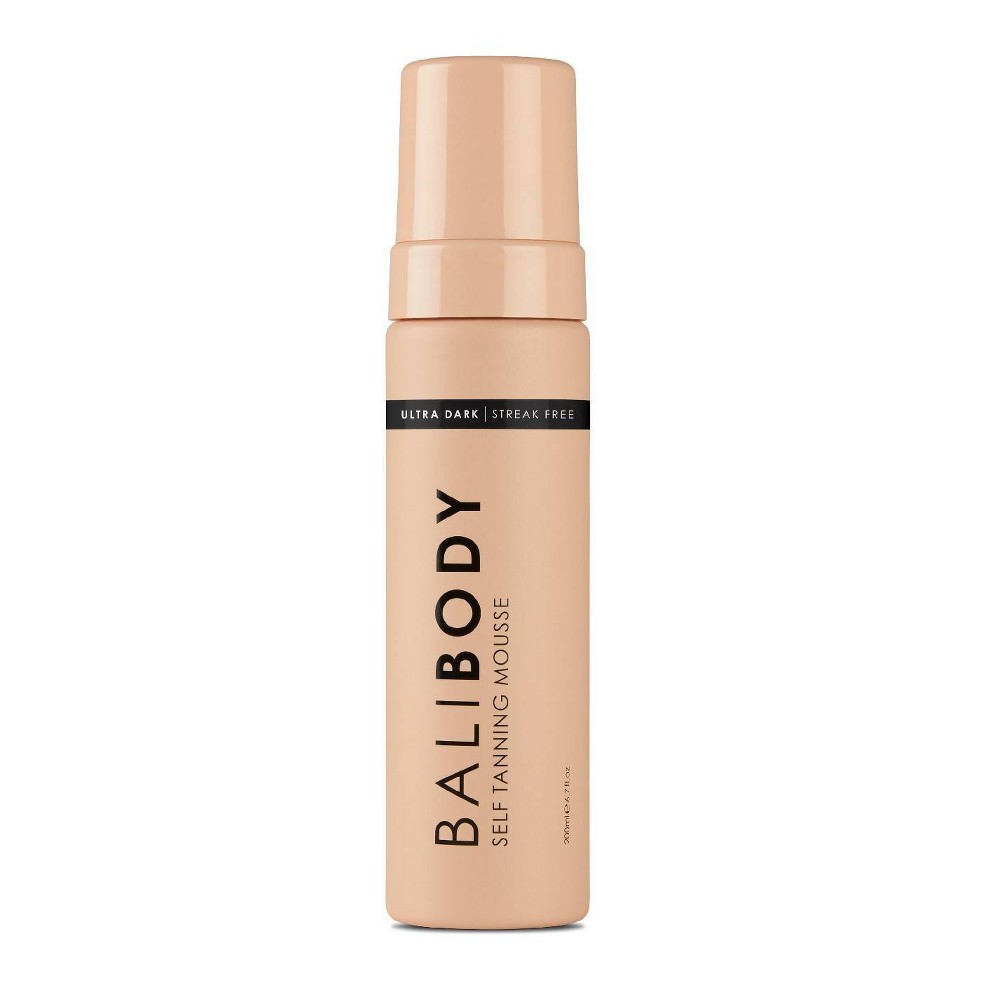
Bali Body Ultra Dark Self Tanning Mousse - 6.7 fl oz: Vegan, Contains Vitamin C
Analysis updated August 2026 · How Scout scores
At a glance
Summary
This self-tanning mousse contains beneficial ingredients like glycerin, which helps to hydrate the skin. However, it also includes PEG-40 hydrogenated castor oil, which is a synthetic emulsifier that can be concerning for some due to potential impurities. The presence of cocamidopropyl betaine, a mild surfactant, is generally safe but can cause irritation in sensitive individuals. The product's formulation is moderately processed with a mix of safe and synthetic ingredients, leading to a balanced score.
Key ingredients 7
glycerinGood
Glycerin is a humectant that attracts moisture to the skin, helping to keep it hydrated. It is widely used in skincare for its moisturizing properties. It is considered safe and beneficial for most skin types.
Risks
There are no significant risks associated with glycerin in cosmetics.
Benefits
Glycerin helps maintain skin hydration and improves skin barrier function.
water (aqua)Neutral
Water is a common solvent used in cosmetic formulations. It helps dissolve other ingredients and provides a base for the product. It does not have any direct benefits or risks associated with its use in cosmetics.
Risks
There are no known risks associated with water in cosmetic products.
Benefits
Water helps to hydrate the skin by providing moisture.
propanediolNeutral
Propanediol is a glycol used as a solvent and skin-conditioning agent. It is generally considered safe and non-irritating. It helps improve the texture and feel of the product.
Risks
There are minimal risks, though some individuals may experience mild irritation.
Benefits
Propanediol can enhance the absorption of other ingredients and provide a smooth application.
dihydroxyacetoneNeutral
Dihydroxyacetone (DHA) is the active ingredient in self-tanners that reacts with the skin's amino acids to produce a tanned appearance. It is generally considered safe for topical use. However, it can cause skin irritation in some individuals.
Risks
Potential risks include skin irritation and allergic reactions in sensitive individuals.
Benefits
DHA provides a temporary tanned appearance without sun exposure, reducing the risk of UV damage.
peg-40 hydrogenated castor oilNeutral
PEG-40 hydrogenated castor oil is an emulsifier and surfactant used to stabilize formulations. It is generally considered safe for use in cosmetics. However, it may contain impurities from the ethoxylation process.
Risks
Potential risks include skin irritation and contamination with 1,4-dioxane, a byproduct of ethoxylation.
Benefits
It helps blend oil and water-based ingredients, improving product consistency.
cocamidopropyl betaineNeutral
Cocamidopropyl betaine is a mild surfactant derived from coconut oil. It is used to create foam and improve the texture of cosmetic products. It is generally considered safe but can cause irritation in some individuals.
Risks
Potential risks include skin irritation and allergic reactions in sensitive individuals.
Benefits
It provides gentle cleansing and helps stabilize formulations.
sodium lauroamphoacetateNeutral
Sodium lauroamphoacetate is a mild surfactant used in personal care products. It is known for its gentle cleansing properties and is considered safe for most skin types. It helps to create a stable foam and improve the texture of the product.
Risks
There are minimal risks, though some individuals may experience mild irritation.
Benefits
It provides gentle cleansing and is less likely to irritate the skin compared to harsher surfactants.
Get the full breakdown in the Scout appTake Scout shopping
Scan any product to see lab results, healthy alternatives, and your personalized analysis.
Download on theApp Store GET IT ONGoogle Play