

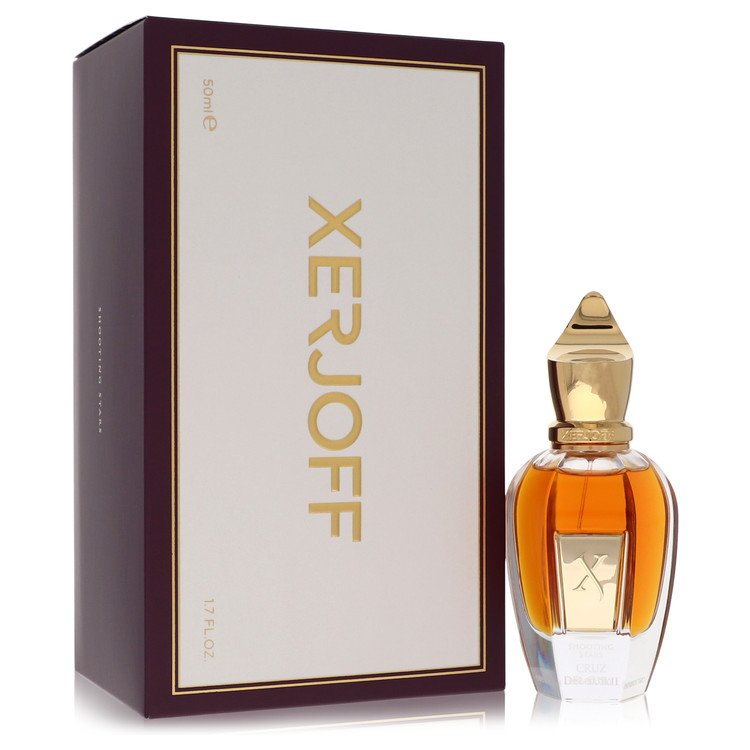

3.4 oz Island Lush Perfume Contentrate for Unisex
Summary
This perfume concentrate is evaluated based on ingredient safety rather than nutrition. The product likely contains synthetic fragrance components, which can be potential irritants or allergens. While it may not contain the most harmful chemicals, the presence of synthetic ingredients and potential allergens affects its overall safety profile.
At a glance
Key ingredients 22
Nutmeg
Nutmeg is often used in fragrances for its warm, spicy aroma. It is derived from the seed of the nutmeg tree and is considered a natural ingredient. In cosmetics, it is primarily used for its scent rather than any skin benefits.
Risks
Nutmeg can cause skin irritation or allergic reactions in sensitive individuals.
Benefits
It provides a warm, spicy fragrance that is appealing in perfumes.
Pink Pepper
Pink pepper is used in perfumes for its fresh, spicy scent. It is derived from the berries of the Peruvian pepper tree. This ingredient is primarily used for its aromatic properties in cosmetics.
Risks
May cause skin irritation or allergic reactions in some people.
Benefits
Adds a fresh, spicy note to fragrances, enhancing the overall scent profile.
Ginger
Ginger is included in perfumes for its warm, spicy aroma. It is a natural ingredient derived from the root of the ginger plant. In cosmetics, it is valued for its scent rather than any direct skin benefits.
Risks
Can cause skin irritation or allergic reactions in sensitive individuals.
Benefits
Provides a warm, spicy fragrance that is often used to add depth to perfumes.
Bergamot
Bergamot is a citrus fruit whose oil is used in perfumes for its fresh, citrusy scent. It is a natural ingredient commonly used in fragrance formulations. In cosmetics, it is primarily valued for its aromatic properties.
Risks
Bergamot oil can increase skin's sensitivity to sunlight, leading to potential sunburn or skin damage.
Benefits
Offers a fresh, citrusy aroma that is uplifting and refreshing.
Guaiac Wood
Guaiac wood is used in perfumes for its smoky, woody scent. It is derived from the wood of the guaiac tree and is considered a natural ingredient. In cosmetics, it is primarily used for its fragrance.
Risks
May cause skin irritation or allergic reactions in some individuals.
Benefits
Provides a smoky, woody aroma that adds depth to fragrance compositions.
Cedar
Cedar is used in perfumes for its warm, woody scent. It is derived from the wood of cedar trees and is a natural ingredient. In cosmetics, it is primarily valued for its aromatic properties.
Risks
Can cause skin irritation or allergic reactions in sensitive individuals.
Benefits
Adds a warm, woody note to fragrances, enhancing their complexity.
Geranium
Geranium is used in perfumes for its floral, rosy scent. It is derived from the leaves of the geranium plant and is considered a natural ingredient. In cosmetics, it is primarily used for its fragrance.
Risks
May cause skin irritation or allergic reactions in some people.
Benefits
Provides a floral, rosy aroma that is often used to add a fresh note to perfumes.
Iris
Iris is used in perfumes for its powdery, floral scent. It is derived from the rhizomes of the iris plant and is a natural ingredient. In cosmetics, it is primarily valued for its aromatic properties.
Risks
Can cause skin irritation or allergic reactions in sensitive individuals.
Benefits
Offers a powdery, floral aroma that adds elegance to fragrance compositions.
Leather
Leather is used in perfumes for its rich, warm scent reminiscent of tanned leather. It is a synthetic note often used to add depth and complexity to fragrances. In cosmetics, it is primarily valued for its aromatic properties.
Risks
May cause skin irritation or allergic reactions in some individuals.
Benefits
Provides a rich, warm aroma that adds depth to fragrance compositions.
Sandalwood
Sandalwood is used in perfumes for its warm, woody scent. It is derived from the wood of the sandalwood tree and is a natural ingredient. In cosmetics, it is primarily valued for its aromatic properties.
Risks
Can cause skin irritation or allergic reactions in sensitive individuals.
Benefits
Offers a warm, woody aroma that is soothing and grounding.
Vetiver
Vetiver is used in perfumes for its earthy, woody scent. It is derived from the roots of the vetiver plant and is a natural ingredient. In cosmetics, it is primarily valued for its aromatic properties.
Risks
May cause skin irritation or allergic reactions in some individuals.
Benefits
Provides an earthy, woody aroma that adds depth to fragrance compositions.
Benzoin
Benzoin is used in perfumes for its sweet, vanilla-like scent. It is derived from the resin of the benzoin tree and is a natural ingredient. In cosmetics, it is primarily valued for its aromatic properties.
Risks
Can cause skin irritation or allergic reactions in sensitive individuals.
Benefits
Offers a sweet, vanilla-like aroma that is comforting and warm.
Patchouli
Patchouli is used in perfumes for its earthy, musky scent. It is derived from the leaves of the patchouli plant and is a natural ingredient. In cosmetics, it is primarily valued for its aromatic properties.
Risks
May cause skin irritation or allergic reactions in some individuals.
Benefits
Provides an earthy, musky aroma that adds depth and richness to fragrances.
Coconut
Coconut is used in perfumes for its sweet, tropical scent. It is derived from the fruit of the coconut palm and is a natural ingredient. In cosmetics, it is primarily valued for its aromatic properties.
Risks
Can cause skin irritation or allergic reactions in sensitive individuals.
Benefits
Offers a sweet, tropical aroma that is often used to add a summery note to perfumes.
Tiare Flower
Tiare flower is used in perfumes for its sweet, floral scent. It is derived from the flowers of the tiare plant and is a natural ingredient. In cosmetics, it is primarily valued for its aromatic properties.
Risks
May cause skin irritation or allergic reactions in some individuals.
Benefits
Provides a sweet, floral aroma that is often used to add a tropical note to perfumes.
Ylang-Ylang
Ylang-ylang is used in perfumes for its sweet, floral scent. It is derived from the flowers of the ylang-ylang tree and is a natural ingredient. In cosmetics, it is primarily valued for its aromatic properties.
Risks
Can cause skin irritation or allergic reactions in sensitive individuals.
Benefits
Offers a sweet, floral aroma that is often used to add a sensual note to perfumes.
Gardenia
Gardenia is used in perfumes for its sweet, floral scent. It is derived from the flowers of the gardenia plant and is a natural ingredient. In cosmetics, it is primarily valued for its aromatic properties.
Risks
May cause skin irritation or allergic reactions in some individuals.
Benefits
Provides a sweet, floral aroma that is often used to add a romantic note to perfumes.
Jasmine
Jasmine is used in perfumes for its sweet, floral scent. It is derived from the flowers of the jasmine plant and is a natural ingredient. In cosmetics, it is primarily valued for its aromatic properties.
Risks
Can cause skin irritation or allergic reactions in sensitive individuals.
Benefits
Offers a sweet, floral aroma that is often used to add a luxurious note to perfumes.
White Florals
White florals are used in perfumes for their fresh, floral scent. They are derived from various white-flowered plants and are natural ingredients. In cosmetics, they are primarily valued for their aromatic properties.
Risks
May cause skin irritation or allergic reactions in some individuals.
Benefits
Provide a fresh, floral aroma that is often used to add a clean note to perfumes.
Musk
Musk is used in perfumes for its warm, animalistic scent. It is often synthetically produced for ethical reasons. In cosmetics, it is primarily valued for its aromatic properties.
Risks
Can cause skin irritation or allergic reactions in sensitive individuals.
Benefits
Offers a warm, animalistic aroma that adds depth and sensuality to fragrances.
Vanilla
Vanilla is used in perfumes for its sweet, creamy scent. It is derived from the pods of the vanilla orchid and is a natural ingredient. In cosmetics, it is primarily valued for its aromatic properties.
Risks
May cause skin irritation or allergic reactions in some individuals.
Benefits
Provides a sweet, creamy aroma that is comforting and widely appealing.
Agarwood
Agarwood is used in perfumes for its rich, woody scent. It is derived from the resinous heartwood of the agarwood tree and is a natural ingredient. In cosmetics, it is primarily valued for its aromatic properties.
Risks
Can cause skin irritation or allergic reactions in sensitive individuals.
Benefits
Offers a rich, woody aroma that is often used to add depth and luxury to perfumes.
Processing
Ultra-Processed Foods
Get the full breakdown in the Scout app
Scan any product to see lab results, healthy alternatives, and your personalized analysis.
Download on theApp Store