

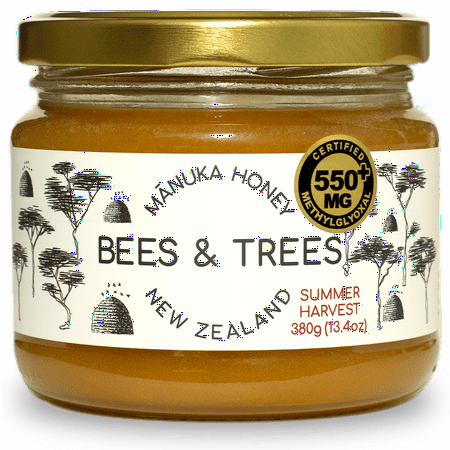

Manuka honey
Analysis updated September 2026 · How Scout scores
At a glance
Summary
This product features a clean and natural ingredient list with beneficial components like Manuka honey and tea tree oil, known for their moisturizing, antibacterial, and anti-inflammatory properties. The absence of synthetic chemicals, fragrances, and harmful additives contributes to its high score, making it a safe and effective choice for skincare.
Key ingredients 6
MelVery Good
Mel, or honey, is known for its moisturizing and antibacterial properties. It can help soothe and hydrate the skin while providing a natural source of antioxidants. Honey is often used in skincare for its ability to promote healing and improve skin texture.
Risks
There are minimal risks associated with honey, though some individuals may experience allergic reactions.
Benefits
Honey is beneficial for its moisturizing, soothing, and antibacterial properties, making it ideal for skincare.
Leptospermum scoparium branch/leaf oilVery Good
Leptospermum scoparium branch/leaf oil, commonly known as Manuka oil, is valued for its potent antibacterial and anti-inflammatory properties. It is often used in skincare to help treat acne and soothe irritated skin. The oil is derived from the Manuka tree, native to New Zealand, and is known for its therapeutic benefits.
Risks
Some individuals may experience skin sensitivity or allergic reactions to essential oils.
Benefits
Manuka oil is beneficial for its antibacterial and anti-inflammatory properties, making it effective in treating acne and soothing skin.
Phormium tenax extractGood
Phormium tenax extract, derived from the New Zealand flax plant, is known for its moisturizing and skin-conditioning properties. It helps improve skin hydration and elasticity. This botanical extract is valued for its ability to enhance skin health and appearance.
Risks
There are minimal risks associated with Phormium tenax extract, though allergic reactions are possible.
Benefits
Phormium tenax extract is beneficial for its moisturizing and skin-conditioning properties, promoting healthy and hydrated skin.
MelaleucaGood
Melaleuca, commonly known as tea tree oil, is renowned for its antimicrobial and anti-inflammatory properties. It is often used in skincare to help treat acne and reduce inflammation. Tea tree oil is a natural ingredient that can improve skin clarity and health.
Risks
Tea tree oil can cause skin irritation or allergic reactions in some individuals, especially in high concentrations.
Benefits
Tea tree oil is beneficial for its antimicrobial and anti-inflammatory properties, making it effective in treating acne and soothing skin.
AquaNeutral
Aqua, or water, is a common solvent used in cosmetic formulations. It helps dissolve other ingredients and provides a base for the product. It is generally considered safe and non-irritating.
Risks
There are no significant risks associated with water in cosmetics.
Benefits
Water helps in hydrating the skin and acts as a carrier for other beneficial ingredients.
Xanthan gumNeutral
Xanthan gum is a polysaccharide used as a thickening and stabilizing agent in cosmetics. It helps improve the texture and consistency of products. Xanthan gum is generally considered safe and non-irritating for most skin types.
Risks
There are minimal risks associated with xanthan gum, though it may cause irritation in very sensitive individuals.
Benefits
Xanthan gum helps improve product texture and stability, enhancing the overall user experience.
Processing
Processed Culinary Ingredients
Get the full breakdown in the Scout appTake Scout shopping
Scan any product to see lab results, healthy alternatives, and your personalized analysis.
Download on theApp Store GET IT ONGoogle PlayAmazon pricing & content
Amazon price as of . Product prices and availability are accurate as of the date/time indicated and are subject to change. Any price and availability information displayed on Amazon.com at the time of purchase will apply to the purchase of this product.
CERTAIN CONTENT THAT APPEARS ON THIS SITE COMES FROM AMAZON. THIS CONTENT IS PROVIDED “AS IS” AND IS SUBJECT TO CHANGE OR REMOVAL AT ANY TIME.