
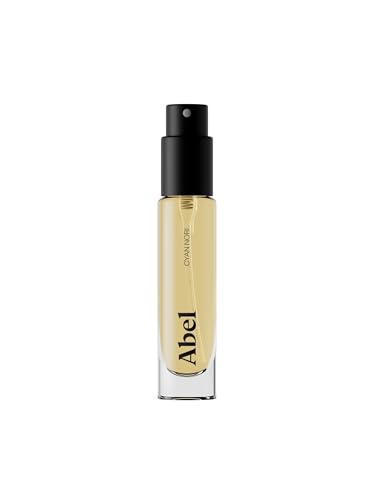


Abel Cyan Nori Eau de Parfum
At a glance
Summary
Abel Cyan Nori Eau de Parfum scores 75/100. A unisex 100% naturally-derived fresh-citrus EDP from a New Zealand indie house pioneering biotech and upcycled aromachemicals. Strengths: (1) 100% naturally derived (per ISO 9235 / Natural Eau de Parfum standard); (2) non-denatured organic grain alcohol base — no toxic denaturants; (3) musks are entirely biotech/upcycled (Ambrettolide, Ambroxan from biofermentation) — non-bioaccumulative, no endocrine activity; (4) full ingredient + INCI disclosure; (5) no synthetic dyes, no UV filters, no Lilial / HICC / phthalates, no synthetic polycyclic musks. The score is held in the high-70s because all-natural citrus fragrances carry an inevitable EU 26 allergen load (limonene, linalool, citral, pinene, terpinolene, geranyl acetate) from the natural essential oils — these are naturally occurring monoterpenes that still pose oxidation-sensitization risk.
Key ingredients 17
Ambrettolide (upcycled musk)Very Good
Macrocyclic musk derived from ambrette seed (or upcycled biotech). Non-bioaccumulative, biodegradable — a clean substitute for endocrine-disrupting polycyclic musks (Galaxolide, Tonalide).
See more about Ambrettolide (upcycled musk) →Ambroxan (biotech ambergris)Very Good
Biotech-fermented ambergris note. Non-bioaccumulative substitute for synthetic polycyclic musks; no known endocrine activity.
See more about Ambroxan (biotech ambergris) →Non-Denatured Organic Grain AlcoholGood
Non-denatured, organically certified grain alcohol carrier. Cleaner than denatured alcohol and free of toxic denaturants like denatonium benzoate.
See more about Non-Denatured Organic Grain Alcohol →100% Naturally Derived per ISO 9235Good
Brand certifies 100% naturally derived ingredients per ISO 9235. No synthetic musks or aroma molecules.
See more about 100% Naturally Derived per ISO 9235 →Full Ingredient DisclosureGood
Brand discloses the complete fragrance formula on the product page — no 'Parfum' trade-secret blanket hiding aromachemicals.
See more about Full Ingredient Disclosure →Aldehyde C14 (biotech peach)Neutral
Gamma-undecalactone, biotech-fermented. Not on EU 26 list; very low sensitizing potential.
See more about Aldehyde C14 (biotech peach) →Tangerine Oil (upcycled)Neutral
Natural citrus oil from upcycled juice-industry peel. Brings limonene naturally.
See more about Tangerine Oil (upcycled) →Bergamot OilNeutral
Furocoumarin-free bergamot per IFRA. Natural citrus note.
See more about Bergamot Oil →Hexenol Cis-3 (leaf alcohol)Neutral
Naturally occurring green-leaf aroma molecule. Not on EU 26 list.
See more about Hexenol Cis-3 (leaf alcohol) →Nori AbsoluteNeutral
Natural seaweed absolute. Marine-saline note; non-allergenic.
See more about Nori Absolute →TerpinoleneNeutral
Naturally occurring monoterpene. Not on EU 26 list; oxidation products are mildly sensitizing.
See more about Terpinolene →Geranyl AcetateNeutral
Floral-fruity ester. Not on EU 26 list; hydrolyzes to geraniol on skin.
See more about Geranyl Acetate →Linalyl AcetateNeutral
Naturally occurring ester (lavender, bergamot). Not on the EU 26 list itself but oxidizes to linalool; mild sensitizing potential.
See more about Linalyl Acetate →PineneBad
Fragrance terpene — oxidation-allergen concern.
See more about Pinene →LimoneneBad
IFRA / EU-declared fragrance allergen. Oxidizes on skin into stronger sensitizers; one of the top causes of fragrance contact dermatitis.
See more about Limonene →LinaloolBad
IFRA / EU-declared fragrance allergen. Air-oxidized linalool hydroperoxides are confirmed contact sensitizers — spray exposure is high.
See more about Linalool →CitralBad
IFRA / EU-declared fragrance allergen with strong sensitizing potential — IFRA restricts maximum use levels in leave-on products.
See more about Citral →Get the full breakdown in the Scout appTake Scout shopping
Scan any product to see lab results, healthy alternatives, and your personalized analysis.
Download on theApp Store GET IT ONGoogle PlayAmazon pricing & content
Amazon price as of . Product prices and availability are accurate as of the date/time indicated and are subject to change. Any price and availability information displayed on Amazon.com at the time of purchase will apply to the purchase of this product.
CERTAIN CONTENT THAT APPEARS ON THIS SITE COMES FROM AMAZON. THIS CONTENT IS PROVIDED “AS IS” AND IS SUBJECT TO CHANGE OR REMOVAL AT ANY TIME.