
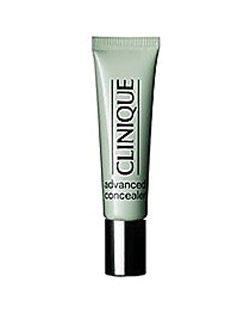

Clinique Advanced Concealer
At a glance
Summary
Clinique Advanced Concealer scores 32/100. Contains PTFE (polytetrafluoroethylene), a PFAS 'forever chemical,' as the 5th ingredient — applied to the face and under-eye area daily. Also contains Nylon-12 and Polyethylene (two microplastic polymers), Phenoxyethanol, Styrene/Isoprene Copolymer, and Isododecane. Concealers are applied to thin, delicate under-eye skin where absorption rates are highest, and worn for extended hours throughout the day.
Key ingredients 6
PTFE (Polytetrafluoroethylene) — 5th ingredientVery Bad
PFAS forever chemical at high concentration in a daily concealer. Applied to thin under-eye skin where absorption rates are highest. PTFE does not break down in the body or environment.
See more about PTFE (Polytetrafluoroethylene) — 5th ingredient →Nylon-12 (Microplastic)Very Bad
Solid microplastic polymer used as a bulking agent. Does not biodegrade and accumulates in the environment. Applied directly to facial skin daily.
See more about Nylon-12 (Microplastic) →Polyethylene (Microplastic)Very Bad
Microplastic polymer that persists indefinitely in the environment. Sheds particles during application and wear on the face.
See more about Polyethylene (Microplastic) →PhenoxyethanolBad
Synthetic preservative that can irritate skin and eyes. Applied directly under the eyes where skin is thinnest and most sensitive.
See more about Phenoxyethanol →Styrene/Isoprene CopolymerBad
Synthetic rubber-based polymer. Styrene is classified as a possible human carcinogen. Used as a film-former but raises concerns about residual monomer content.
See more about Styrene/Isoprene Copolymer →IsododecaneNeutral
Standard formulation ingredient — neither beneficial nor harmful at typical use.
See more about Isododecane →Get the full breakdown in the Scout appTake Scout shopping
Scan any product to see lab results, healthy alternatives, and your personalized analysis.
Download on theApp Store GET IT ONGoogle PlayAmazon pricing & content
Amazon price as of . Product prices and availability are accurate as of the date/time indicated and are subject to change. Any price and availability information displayed on Amazon.com at the time of purchase will apply to the purchase of this product.
CERTAIN CONTENT THAT APPEARS ON THIS SITE COMES FROM AMAZON. THIS CONTENT IS PROVIDED “AS IS” AND IS SUBJECT TO CHANGE OR REMOVAL AT ANY TIME.