
Ingredient
Polyethylene (Microplastic)
What is Polyethylene (Microplastic)?
Polyethylene is a type of synthetic polymer, commonly classified as a microplastic when used in small particle forms. It is created through the polymerization of ethylene gas, a derivative of petroleum, resulting in a versatile plastic material.
In cosmetics, polyethylene is used for its ability to add texture, function as a bulking agent, or provide mild exfoliation. However, there is concern about its environmental impact, particularly as it does not biodegrade and can accumulate in marine ecosystems. Health evidence regarding its direct effects on human health when used in personal care products is limited and mixed.
When you see polyethylene on a label, it's typically used in products like exfoliating scrubs, makeup, and other personal care items where texture and consistency are important.
Commonly found in: Makeup, Exfoliating Scrubs, Face Wash, Body Wash, Toothpaste
What to watch
- Polyethylene does not biodegrade, contributing to environmental pollution.
- Concerns exist around accumulation in marine ecosystems, potentially harming aquatic life.
The FDA does not specifically restrict polyethylene use in personal care products but monitors safety under broader cosmetic regulations.
While the environmental impact of polyethylene microplastics is well-documented, direct health effects from cosmetic use are less clear, with limited human evidence.
Polyethylene is not animal-derived and is generally considered vegan-friendly.
Concerns about microplastics entering the food chain may extend to gut health, but specific effects from cosmetics remain unproven.
Sources: Microplastics in Cosmetics · Polyethylene safety and environmental impact
Scout's take
Microplastic polymer that persists indefinitely in the environment. Sheds particles during application and wear on the face.
More from Scout's analyses
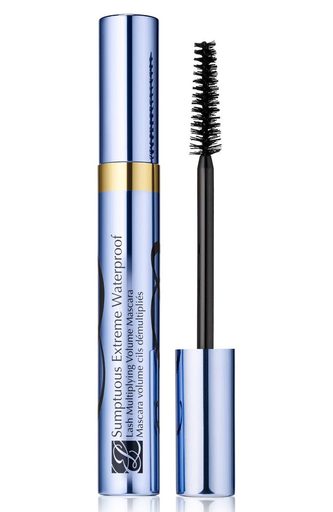
Microplastic polymer that persists in the environment indefinitely. Used as a film-former in mascara but sheds microplastic particles during application and removal.
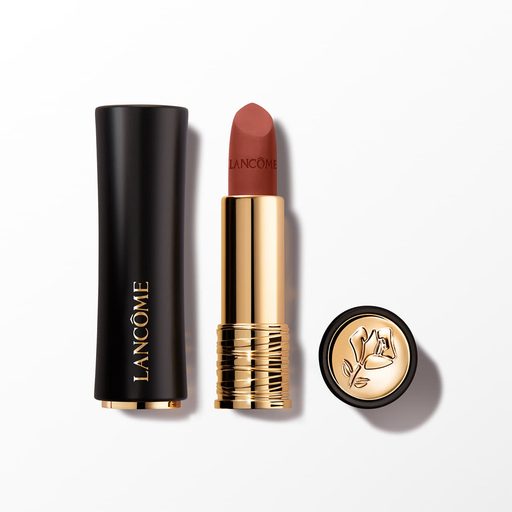
from the analysis of Estée Lauder Sumptuous Extreme Waterproof MascaraMicroplastic polymer that persists indefinitely. Ingested from lip products and accumulates in the body and environment.
from the analysis of Lancôme L'Absolu Rouge Drama Matte LipstickFound in 4 products
Scan any product to see every ingredient explained — and healthier swaps.
Download on theApp Store GET IT ONGoogle Play