Repurpose Ultra Soft Bamboo Toilet Paper

At a glance
Summary
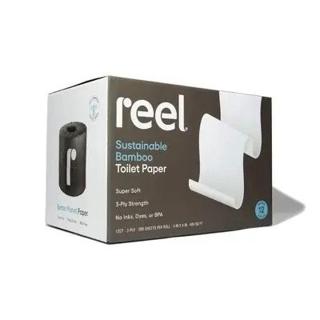
This toilet paper is made from FSC-certified bamboo, a sustainable and renewable resource that reduces deforestation and environmental impact. It is free from inks, dyes, and scents, minimizing potential skin irritation and environmental harm. Although it uses ECF bleaching, which involves chlorine dioxide, it avoids elemental chlorine, making it a safer choice compared to traditional chlorine-bleached products.
Key ingredients 5
100% FSC-certified bamboo fiberVery Good
Bamboo is a highly renewable resource that grows quickly and requires minimal water and pesticides. It is biodegradable and contributes to reduced deforestation compared to traditional tree-based paper products. The FSC certification ensures sustainable and responsible forest management practices.
Risks
There are minimal risks associated with bamboo fiber, primarily related to potential processing chemicals if not managed sustainably.
Benefits
Bamboo fiber is environmentally friendly, biodegradable, and contributes to reduced environmental impact.
No inks, dyes or scentsVery Good
The absence of inks, dyes, and scents reduces the risk of skin irritation and allergic reactions. It also minimizes the environmental impact associated with the production and disposal of synthetic additives.
Risks
There are no significant risks associated with the absence of these additives.
Benefits
This ensures a hypoallergenic product that is safer for sensitive skin and more environmentally friendly.
BPA-free (brand claim)Very Good
BPA-free products avoid the use of Bisphenol A, a chemical linked to various health concerns including hormonal disruptions. Ensuring products are BPA-free is crucial for consumer safety, particularly in products that come into contact with skin.
Risks
There are no risks associated with being BPA-free; rather, it eliminates potential health hazards.
Benefits
Being BPA-free ensures the product is safer for consumer use, reducing the risk of exposure to harmful chemicals.
Plastic-free, recyclable packagingVery Good
Plastic-free packaging reduces environmental pollution and the burden on landfills. Recyclable packaging supports waste reduction and promotes a circular economy.
Risks
There are no significant risks associated with plastic-free, recyclable packaging.
Benefits
This packaging choice supports environmental sustainability and reduces the ecological footprint of the product.
ECF bleaching ('Free of Elemental Chlorine')Bad
Elemental-chlorine-free (ECF) bleaching whitens the pulp with chlorine dioxide. It avoids elemental chlorine, but it is still chlorine-based; only oxygen or hydrogen-peroxide whitening (TCF/PCF) or unbleached paper avoids chlorine chemistry entirely.
Risks
ECF bleaching can still involve some chemical processing, which may have environmental impacts.
Benefits
The absence of elemental chlorine reduces the risk of dioxin pollution, making it a safer choice for both consumers and the environment.
Get the full breakdown in the Scout appTake Scout shopping
Scan any product to see lab results, healthy alternatives, and your personalized analysis.
Amazon pricing & content
Amazon price as of . Product prices and availability are accurate as of the date/time indicated and are subject to change. Any price and availability information displayed on Amazon.com at the time of purchase will apply to the purchase of this product.
CERTAIN CONTENT THAT APPEARS ON THIS SITE COMES FROM AMAZON. THIS CONTENT IS PROVIDED “AS IS” AND IS SUBJECT TO CHANGE OR REMOVAL AT ANY TIME.