
Ingredient
Added Salt
What is Added Salt?
Added salt refers to sodium chloride that is included in foods during processing or preparation. It is mined or harvested from saltwater and is typically refined to remove impurities.
Salt is often used in foods to enhance flavor, act as a preservative, and improve texture. High salt intake is linked with health issues such as high blood pressure, though the evidence regarding its health impacts can vary.
When you see added salt on a label, it indicates that the natural sodium content of the ingredients has been supplemented during the processing or cooking process.
Commonly found in: processed meats, canned soups, snack foods, sauces, prepared seafood
What to watch
- High salt intake has been linked to increased blood pressure.
- Excessive salt consumption may raise the risk of cardiovascular diseases.
The FDA considers salt Generally Recognized as Safe (GRAS) but recommends limiting sodium intake to reduce health risks.
Research acknowledges salt's role in flavor and preservation, but cautions against high daily intake due to potential health risks like hypertension.
Salt is a mineral and suitable for vegan diets.
Sources: Sodium: Dietary Recommendations and Factors That Affect Sodium Intake
Scout's take
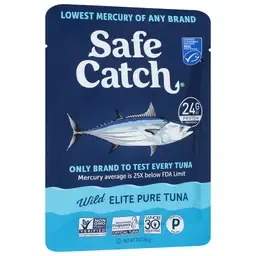
Flavored varieties contain elevated sodium vs plain tuna; less ideal for sodium-conscious consumers
More from Scout's analyses
Elevated sodium content from curing salt; those limiting sodium should account for intake
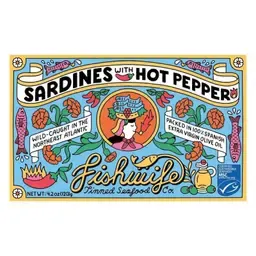
from the analysis of Fishwife Sardines with Hot PeppersFound in 2 products
Scan any product to see every ingredient explained — and healthier swaps.
Download on theApp Store GET IT ONGoogle Play