
Ingredient
Chlorine
What is Chlorine?
Chlorine is the disinfectant most U.S. water utilities add to tap water to kill bacteria, viruses and parasites on the way from the treatment plant to your tap. A small residual is left in the water on purpose so it stays safe inside the distribution pipes. It is the reason waterborne diseases like cholera and typhoid are rare in countries with treated water.
At the levels allowed in drinking water — the EPA maximum residual disinfectant level is 4 mg/L — chlorine itself is not considered a health risk, though many people dislike the taste and smell, and it can be drying to skin and hair. The real concern is what chlorine forms when it reacts with natural organic matter in the water: disinfection byproducts such as trihalomethanes and haloacetic acids, which are regulated separately and are linked to bladder cancer risk with long-term exposure.
On a water filter, "chlorine" is the easiest claim to deliver: activated carbon removes it very effectively, which is why nearly every pitcher, faucet and refrigerator filter lists it. Removing chlorine improves taste; it does not make the water more or less safe on its own, and filtered water without a residual should be used within a day or two.
Commonly found in: Municipal tap water, Well water, Water filter claims, Lab-tested products
What to watch
- Reacts with organic matter in water to form disinfection byproducts (trihalomethanes, haloacetic acids) that are regulated for cancer risk.
- Residual chlorine can irritate skin and eyes and give water a pool-like taste and smell.
Benefits
- Chlorination is the single biggest reason tap water in treated systems is free of cholera, typhoid and other waterborne disease.
- A residual keeps water protected inside the distribution pipes between the plant and the tap.
Sources: Stage 1 and Stage 2 Disinfectants and Disinfection Byproducts Rules · National Primary Drinking Water Regulations · Guidelines for drinking-water quality, 4th edition
Scout's take
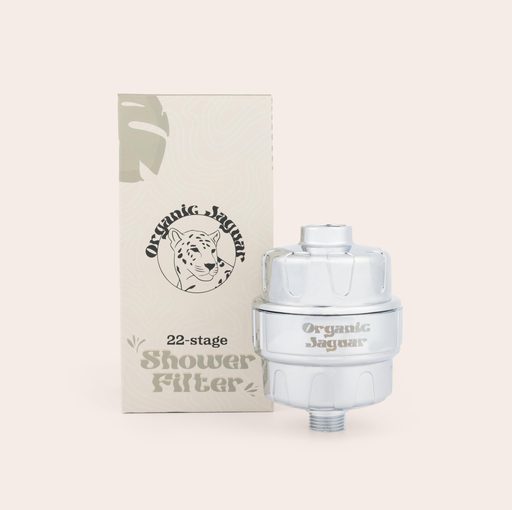
The filter achieves a reduction of 98% in chlorine levels. Chlorine is commonly used in water treatment but can affect taste and may have health implications.
More from Scout's analyses
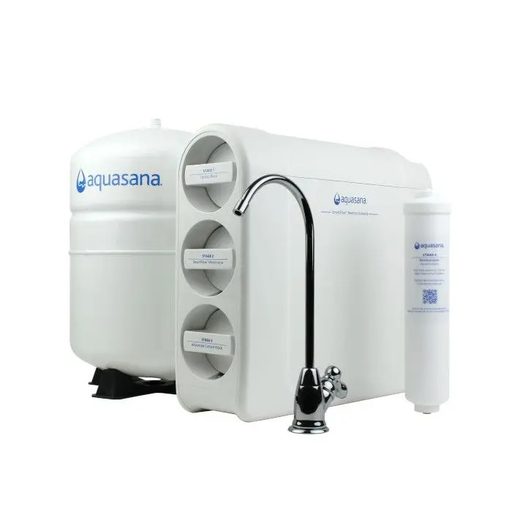
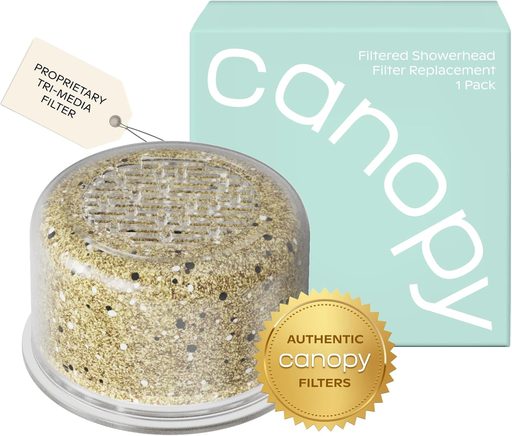
Chlorine reduction is over 60%, making the water taste better and safer. Chlorine is commonly used in water treatment but can produce harmful byproducts.
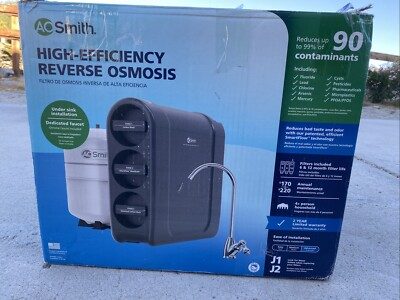
from the analysis of Grayl UltraPress PurifierThe filter achieves a reduction of over 97.5% for Chlorine. Chlorine removal is important for improving taste and odor in drinking water.
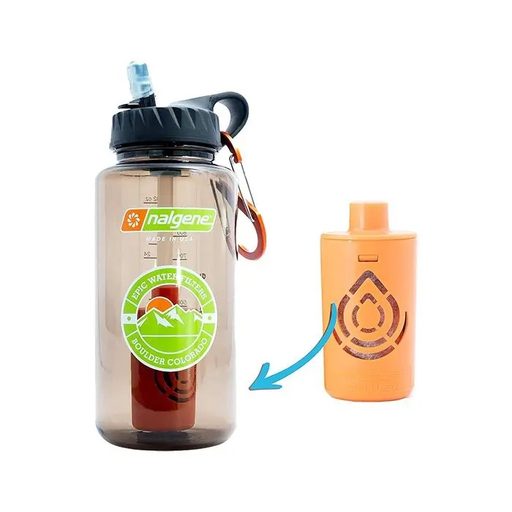
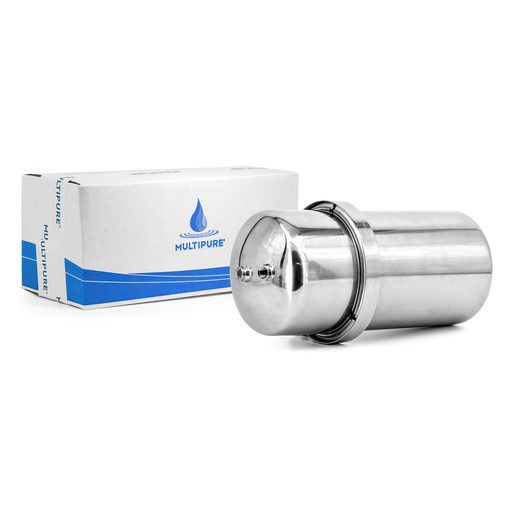
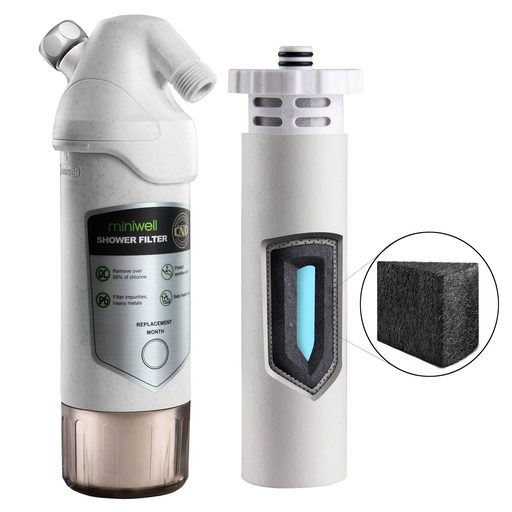
from the analysis of Multipure Aquaperform MP880 Undersink Water FilterThe filter is reported to reduce chlorine by over 90%, which is important for preventing skin irritation and maintaining hair health.
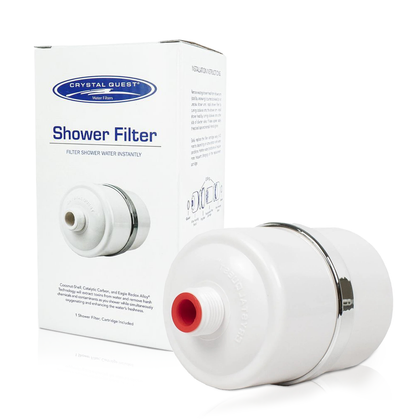
from the analysis of Crystal Quest Shower FilterFound in 60 products

+ 36 more products in the Scout app
Scan any product to see every ingredient explained — and healthier swaps.
Download on theApp Store GET IT ONGoogle Play