
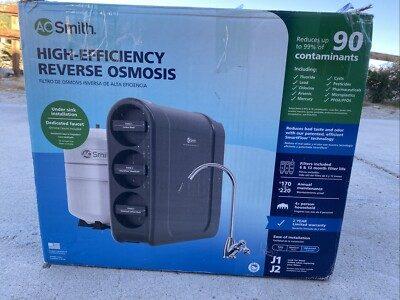
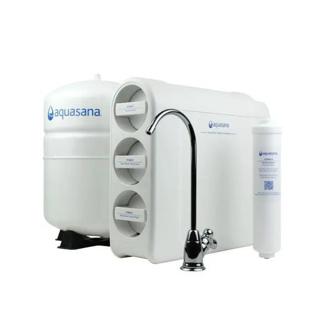
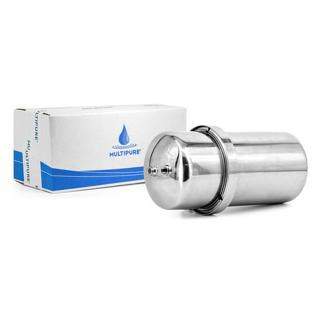
AO Smith High-Efficiency Reverse Osmosis
At a glance
Summary
AO Smith High-Efficiency Reverse Osmosis scores 94/100 for water filtration performance. 12 contaminants effectively filtered.
Key ingredients 14
LeadGood
Reduction of up to 99%. Lead is a heavy metal that can cause serious health issues, especially in children.
See more about Lead →FluorideGood
Reduction of up to 99%. Fluoride can contribute to dental and skeletal issues when consumed in excess.
See more about Fluoride →ChlorineGood
Reduction of up to 99%. Chlorine is commonly used in water treatment but can produce harmful byproducts.
See more about Chlorine →ChloramineGood
Estimated reduction of over 60%. Chloramine can cause skin irritation and is less effective than chlorine in disinfection.
See more about Chloramine →MercuryGood
Reduction of up to 99%. Mercury is toxic and can lead to neurological damage.
See more about Mercury →PesticidesGood
Estimated reduction of over 60%. Pesticides can contaminate drinking water and pose health risks.
See more about Pesticides →PharmaceuticalsGood
Estimated reduction of over 60%. Pharmaceuticals in water can disrupt ecosystems and human health.
See more about Pharmaceuticals →VOCsGood
Estimated reduction of over 60%. Volatile organic compounds can cause health issues and affect air quality.
See more about VOCs →MicrobiologicalsGood
Reduction of up to 99%. Microbiological contaminants can cause serious infections and illnesses.
See more about Microbiologicals →AsbestosGood
Reduction of up to 99%. Asbestos fibers can lead to lung disease and cancer.
See more about Asbestos →MicroplasticsGood
Estimated reduction of over 60%. Microplastics can accumulate in the food chain and pose health risks.
See more about Microplastics →TrihalomethanesGood
Estimated reduction of over 60%. These byproducts can cause cancer and other health issues.
See more about Trihalomethanes →NitratesNeutral
Estimated reduction of 20-60%. Nitrates can cause health issues, especially in infants.
See more about Nitrates →NanoplasticsNeutral
No tests. The presence of nanoplastics in water is a growing concern, but specific reduction data is not available.
See more about Nanoplastics →Get the full breakdown in the Scout appTake Scout shopping
Scan any product to see lab results, healthy alternatives, and your personalized analysis.
Download on theApp Store GET IT ONGoogle Play