
Ingredient
Microbiologicals
What is Microbiologicals?
Microbiologicals are the living contaminants in water: bacteria such as E. coli and Legionella, viruses such as norovirus and rotavirus, and the protozoan cysts of Giardia and Cryptosporidium. They come from sewage, septic systems, animal waste and wildlife, and they reach taps through contaminated source water, failed treatment, main breaks and, most often, untreated private wells.
Unlike chemical contaminants, the risk is acute: a single contaminated glass can cause diarrhea, vomiting and fever within days, and the very young, the elderly and people with weakened immune systems can become seriously ill. Public systems are held to a treatment-technique standard — disinfect, filter surface water, and test regularly for coliform bacteria as the indicator that something is wrong — with a health goal of zero.
On a water filter, a "bacteria", "cysts" or "microbiological" claim needs a specific technology: an absolute 1-micron or finer pore (or NSF/ANSI 53 cyst certification) stops Giardia and Cryptosporidium; removing bacteria and viruses takes reverse osmosis, ultraviolet light, or a filter certified as a microbiological purifier. Ordinary carbon pitcher filters do not make unsafe water safe, and a boil-water notice still means boil.
Commonly found in: Municipal tap water, Well water, Water filter claims, Lab-tested products
What to watch
- Acute illness — diarrhea, vomiting, fever — can follow a single exposure, with serious risk for infants, the elderly and the immunocompromised.
- Private wells are untested by any utility and are the most common source of microbial contamination in the U.S.
- Standard carbon and pitcher filters are not purifiers; only RO, UV or a certified microbiological filter removes bacteria and viruses.
Sources: Revised Total Coliform Rule and Total Coliform Rule · Surface Water Treatment Rules · Guidelines for drinking-water quality, 4th edition
Scout's take
The filter may reduce microbiological contaminants, but specific reduction percentages are not provided; estimated reduction is around 50% based on typical filter performance.
More from Scout's analyses
The filter may help reduce microbiological contaminants, but no specific data is available. An estimate of 30% reduction is reasonable.
from the analysis of AquaBliss HD Multi-Stage Shower Filter SF500Estimated reduction of Microbiologicals is around 30% based on filter technology, which is crucial for preventing waterborne diseases.
from the analysis of Water2 Pod 2.0 FilterWhile the filter does not specifically mention microbiological reduction, it is generally expected that whole house filters provide some level of reduction. This is important for preventing waterborne diseases.
from the analysis of 3M Aqua-Pure Whole House FilterFound in 32 products
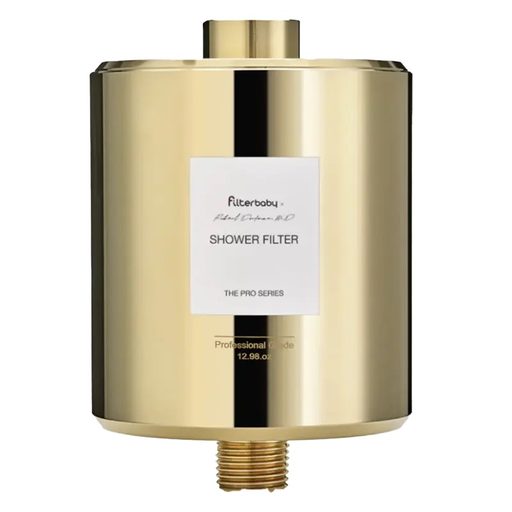
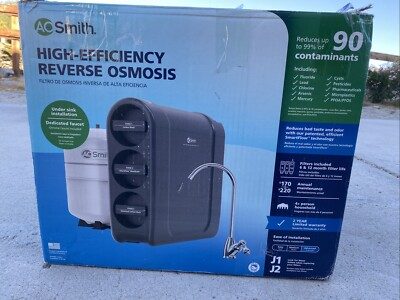
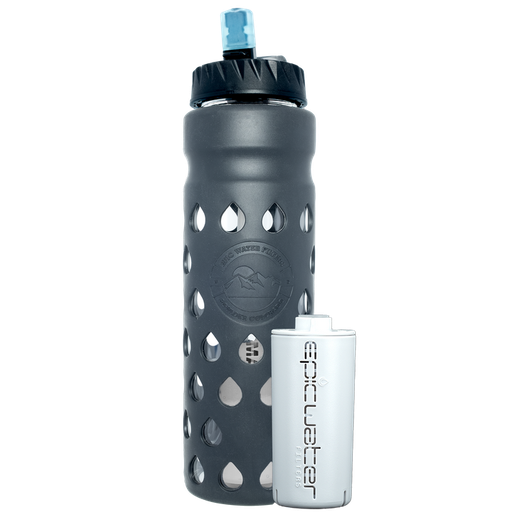
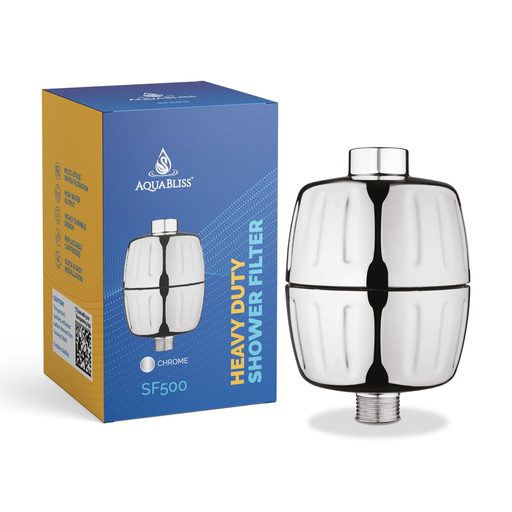
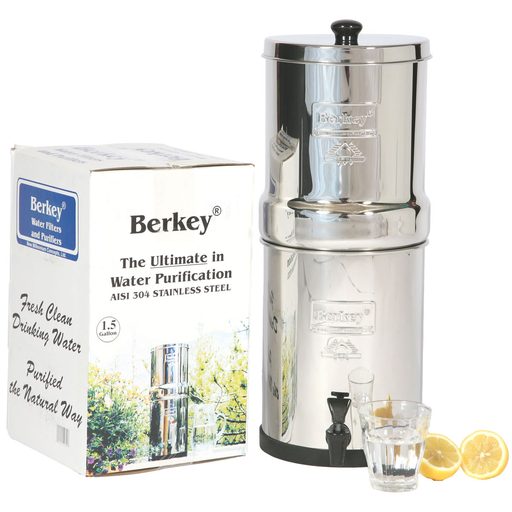
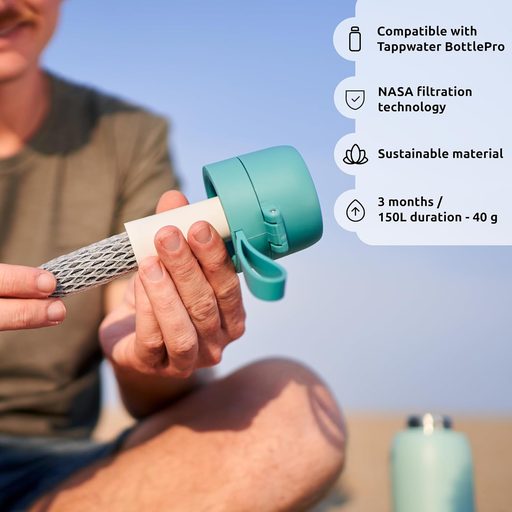
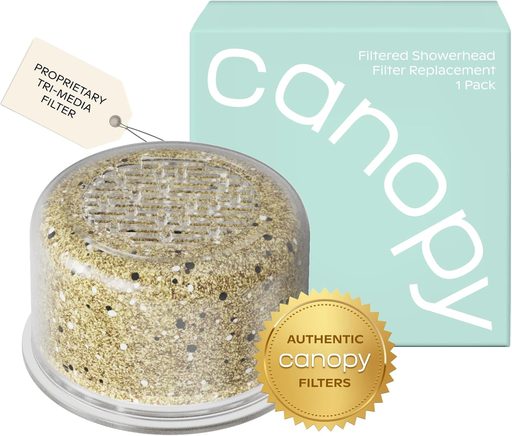
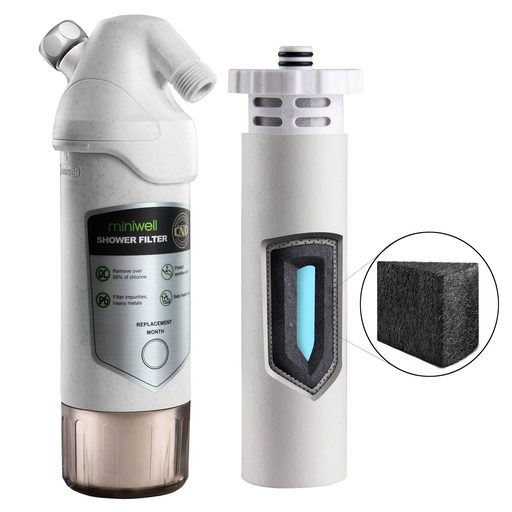
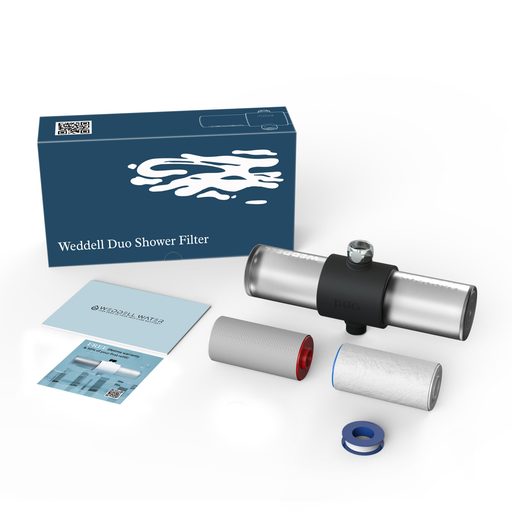
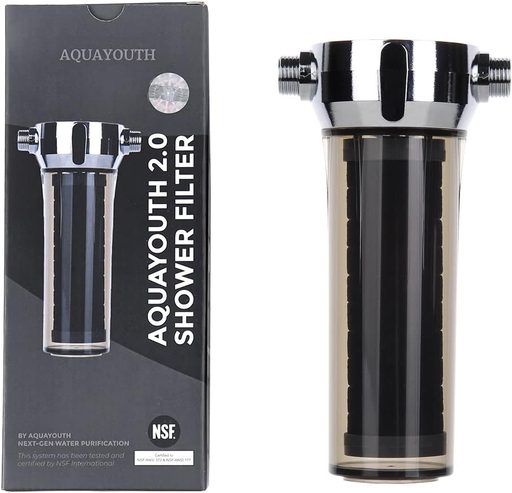
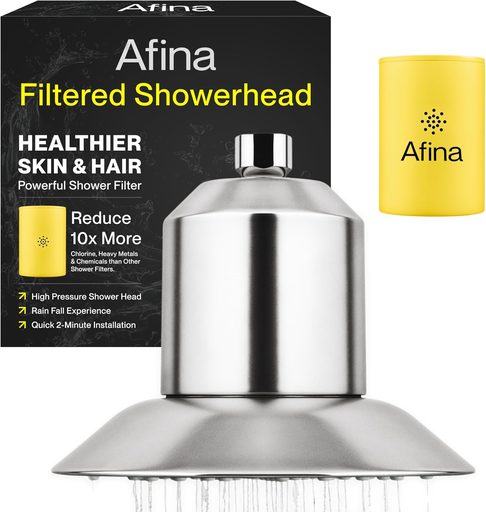
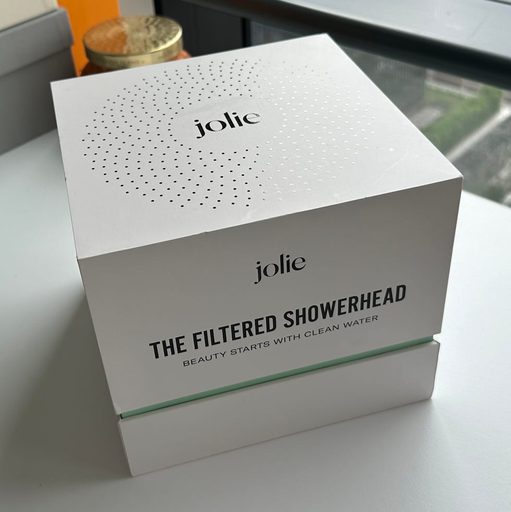
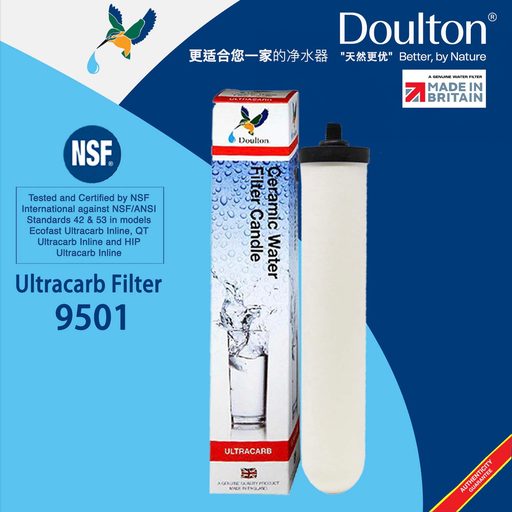
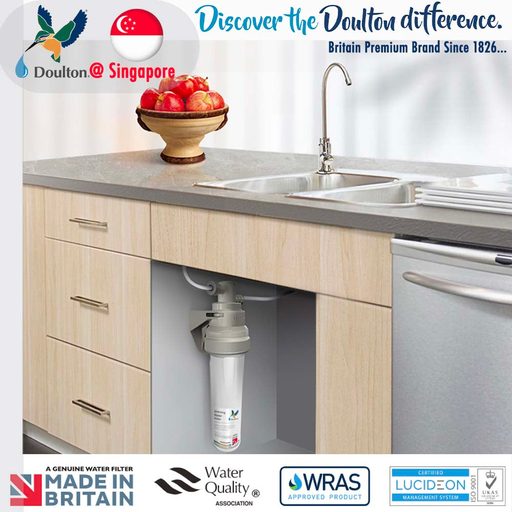

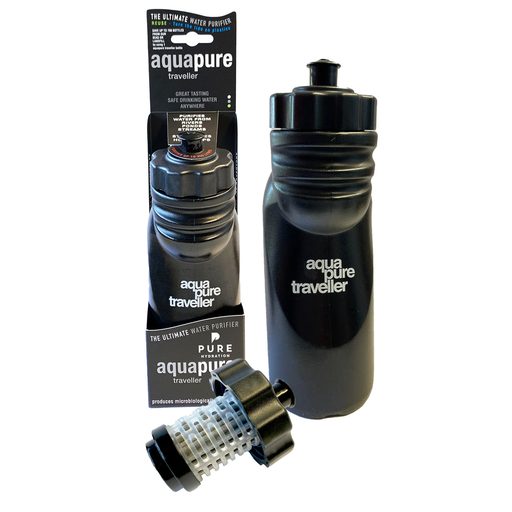
+ 8 more products in the Scout app
Scan any product to see every ingredient explained — and healthier swaps.
Download on theApp Store GET IT ONGoogle Play