
Ingredient
Trihalomethanes
What is Trihalomethanes?
Trihalomethanes (THMs) are the best-known disinfection byproducts: chloroform, bromodichloromethane, dibromochloromethane and bromoform. They form when the chlorine used to disinfect water reacts with natural organic matter such as leaf litter and algae in the source water. Almost every chlorinated system has some; levels are higher in surface-water systems and in summer, and they rise the longer water sits in the pipes.
THMs are regulated because long-term exposure is associated with a higher risk of bladder cancer and, less consistently, with reproductive effects. The EPA limit for total trihalomethanes is 80 µg/L as an annual average, and utilities must report their results. Because THMs are volatile, a meaningful share of exposure comes from breathing them in during hot showers, not only from drinking.
On a water filter, "trihalomethanes" or "TTHM" means the filter has been tested to reduce them, a claim certified under NSF/ANSI 53. Activated carbon handles them well; a shower filter with enough carbon contact time can cut the inhaled share. Reverse osmosis alone is less effective for these small volatile molecules, which is why RO systems pair with carbon stages.
Commonly found in: Municipal tap water, Well water, Water filter claims, Lab-tested products
What to watch
- Long-term exposure is associated with an increased risk of bladder cancer in epidemiological studies.
- Volatile — a significant share of exposure comes from inhaling them in hot showers and baths.
- Levels rise with water age in the pipes and in warm months, so a utility's annual average can hide seasonal peaks.
Sources: Stage 1 and Stage 2 Disinfectants and Disinfection Byproducts Rules · National Primary Drinking Water Regulations · Guidelines for drinking-water quality, 4th edition
Scout's take
The filter is estimated to reduce trihalomethanes by around 30%, which are byproducts of chlorine disinfection that can pose health risks.
More from Scout's analyses
The filter is estimated to reduce trihalomethanes by 20-60%, which is important as these compounds can form during water chlorination and pose health risks.
from the analysis of Water-to-Go Filter BottleThe filter is reported to reduce trihalomethanes, which are harmful byproducts of chlorine disinfection, by over 60%.
from the analysis of Dermazen Zenflow Purifying ShowerheadTrihalomethanes are reduced by over 80%, which is important as they are linked to cancer and other health issues.
from the analysis of Clearly Filtered BottleFound in 40 products
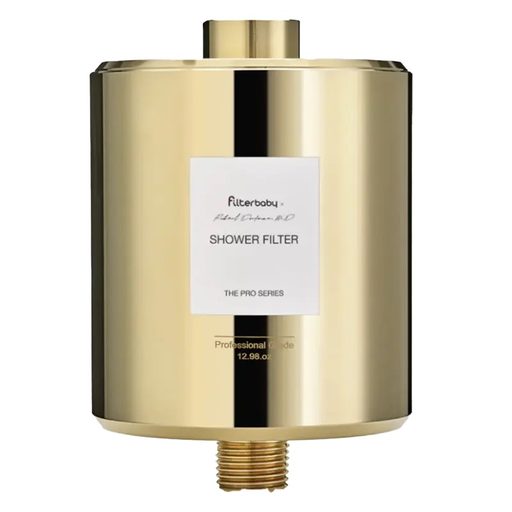
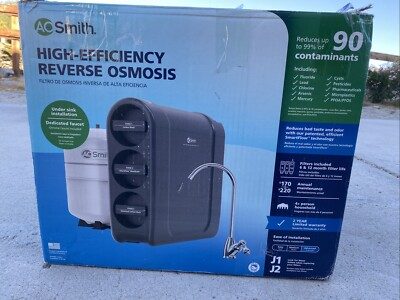
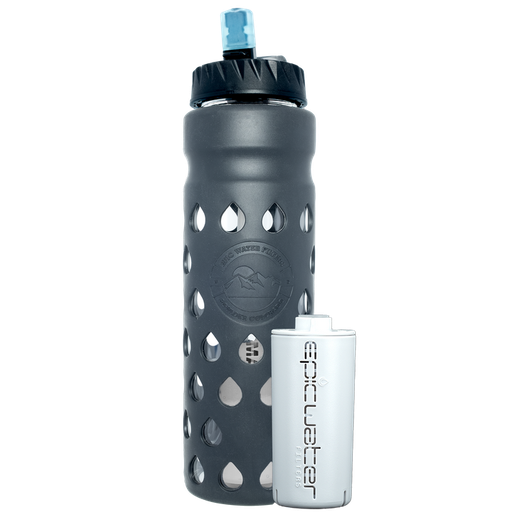


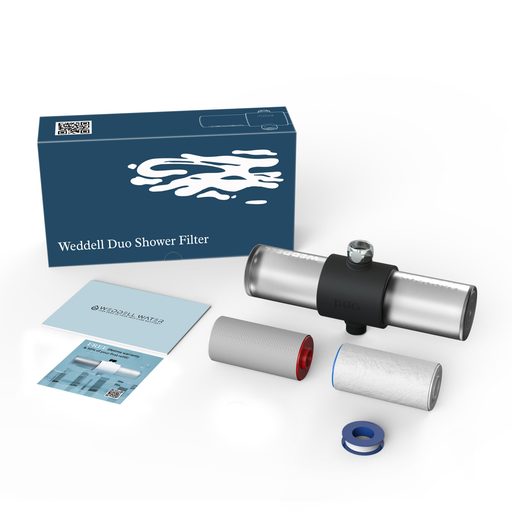
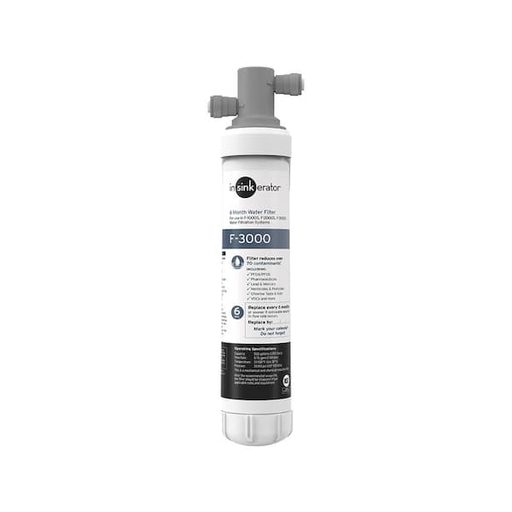
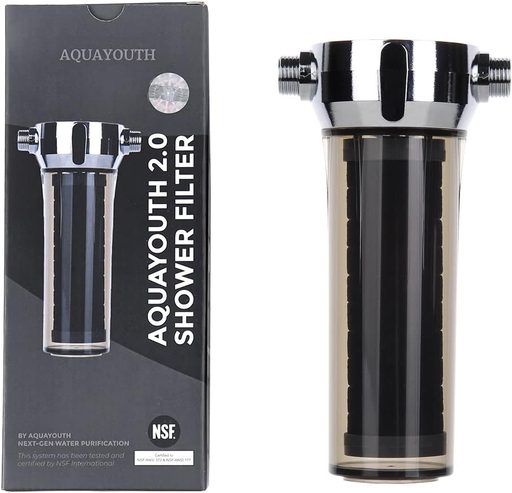
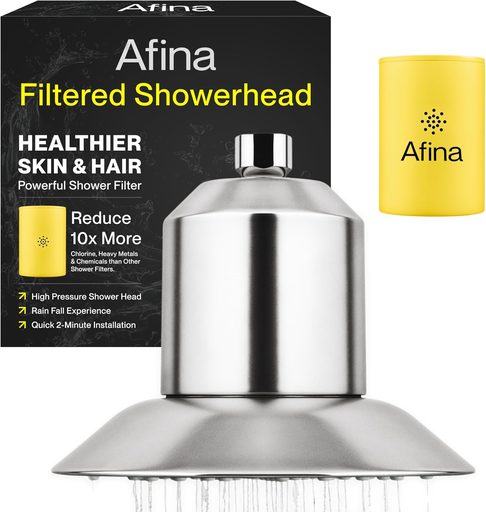

+ 16 more products in the Scout app
Scan any product to see every ingredient explained — and healthier swaps.
Download on theApp Store GET IT ONGoogle Play