
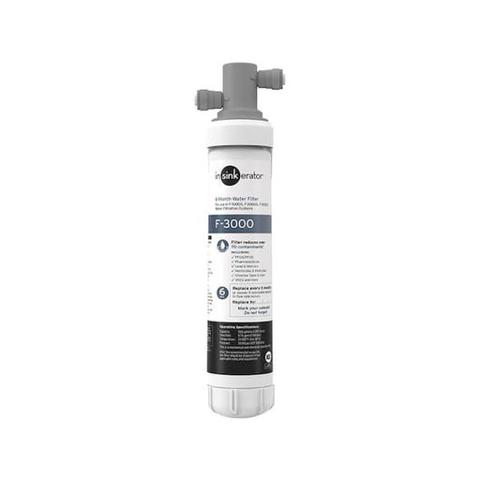

InSinkErator F-3000S Water Filtration System
At a glance
Summary
InSinkErator F-3000S Water Filtration System scores 64/100 for water filtration performance. 11 contaminants effectively filtered.
Key ingredients 15
PFASGood
The system reduces PFAS effectively, achieving over 70% reduction. PFAS are harmful chemicals linked to various health issues.
See more about PFAS →PharmaceuticalsGood
The filtration system reduces pharmaceuticals by over 70%. These contaminants can disrupt endocrine systems and pose health risks.
See more about Pharmaceuticals →LeadGood
Lead reduction is over 70%, making it effective. Lead exposure can cause serious health problems, especially in children.
See more about Lead →MercuryGood
The system is effective in reducing mercury by over 70%. Mercury is toxic and can affect neurological functions.
See more about Mercury →HerbicidesGood
Herbicides are reduced by over 70%. These chemicals can contaminate water supplies and harm aquatic life.
See more about Herbicides →PesticidesGood
Pesticides are reduced by over 70%. They can have harmful effects on human health and the environment.
See more about Pesticides →VOCsGood
The system reduces VOCs by over 70%. VOCs can cause various health issues, including respiratory problems.
See more about VOCs →CystsGood
Cysts are effectively reduced by over 70%. They can cause gastrointestinal illnesses if ingested.
See more about Cysts →ChlorineGood
Chlorine reduction is estimated to be over 60%. Chlorine can affect the taste and odor of water and may form harmful byproducts.
See more about Chlorine →SedimentGood
Sediment reduction is estimated to be over 70%. Sediment can affect water clarity and quality.
See more about Sediment →MicroplasticsGood
Microplastics are estimated to be reduced by over 60%. Their presence in water can pose health risks.
See more about Microplastics →ChloramineNeutral
Chloramine reduction is unknown, but the system is designed to reduce chlorine and related compounds.
See more about Chloramine →FluorideNeutral
Fluoride reduction is estimated to be around 30%. Fluoride can have both beneficial and harmful effects on health.
See more about Fluoride →NitratesNeutral
Nitrate reduction is unknown, but the system may reduce nitrates based on its filtration capabilities.
See more about Nitrates →TrihalomethanesNeutral
Reduction of trihalomethanes is unknown, but the system is designed to reduce chlorine byproducts.
See more about Trihalomethanes →Get the full breakdown in the Scout appTake Scout shopping
Scan any product to see lab results, healthy alternatives, and your personalized analysis.
Download on theApp Store GET IT ONGoogle PlayAmazon pricing & content
Amazon price as of . Product prices and availability are accurate as of the date/time indicated and are subject to change. Any price and availability information displayed on Amazon.com at the time of purchase will apply to the purchase of this product.
CERTAIN CONTENT THAT APPEARS ON THIS SITE COMES FROM AMAZON. THIS CONTENT IS PROVIDED “AS IS” AND IS SUBJECT TO CHANGE OR REMOVAL AT ANY TIME.