
Ingredient
Chloramine
What is Chloramine?
Chloramine is a disinfectant made by combining chlorine with a small amount of ammonia. About one in five U.S. water systems uses it instead of plain chlorine because it lasts longer in the pipes and forms fewer regulated disinfection byproducts. Utilities that switch usually notify customers, because the change matters for two groups: people on kidney dialysis, whose equipment must remove it, and aquarium owners, since it is toxic to fish.
At the EPA maximum residual disinfectant level of 4 mg/L, chloramine is not considered a health risk for drinking, bathing or cooking. It is less reactive than free chlorine, so the water tends to taste and smell milder. The trade-off is that it forms its own, less studied byproducts — nitrosamines such as NDMA among them — which the EPA lists as candidates for future regulation.
Chloramine is also harder to remove than chlorine. A standard carbon filter takes it out only slowly; catalytic carbon or a longer contact time is needed, and filters that claim chloramine reduction are certified under NSF/ANSI 42 for that specific claim. Boiling and letting water sit do not remove it.
Commonly found in: Municipal tap water, Well water, Water filter claims, Lab-tested products
What to watch
- Forms nitrogen-containing byproducts such as NDMA that are on the EPA's list of candidate contaminants for future regulation.
- Must be removed from water used for kidney dialysis and for fish tanks, where it is directly toxic.
- Ordinary carbon filters remove it slowly; only catalytic carbon or a chloramine-specific certification delivers the claim.
Benefits
- Longer-lasting residual than chlorine, so water stays disinfected further along the pipe network.
- Forms lower levels of the regulated trihalomethane and haloacetic acid byproducts.
Sources: Chloramines in Drinking Water · Stage 1 and Stage 2 Disinfectants and Disinfection Byproducts Rules
Scout's take
Chloramine reduction is estimated to be between 20-60%. Chloramine is used as a disinfectant but can cause health issues and unpleasant tastes.
More from Scout's analyses
Estimated reduction of around 90%. Chloramine can cause skin irritation and is less effective than chlorine in disinfection.
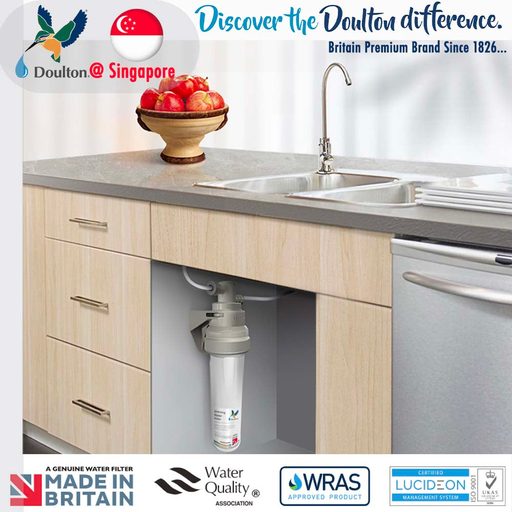
from the analysis of Doulton Ecofast Under Sink Water Filter with Biotect UltraChloramine is effectively reduced by over 90%, which is important as it can cause skin and respiratory issues.
from the analysis of Clearly Filtered BottleNo tests available, but based on the filter technology, a reasonable estimate would suggest a reduction of around 20-40%. Chloramine is a disinfectant that can cause similar issues as chlorine.
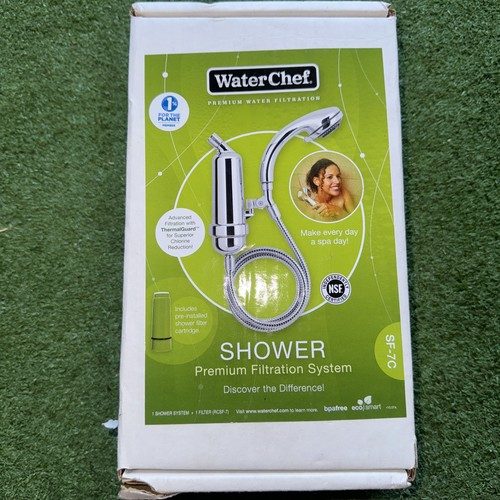
from the analysis of WaterChef SF-7C Premium Shower Filter SystemFound in 47 products
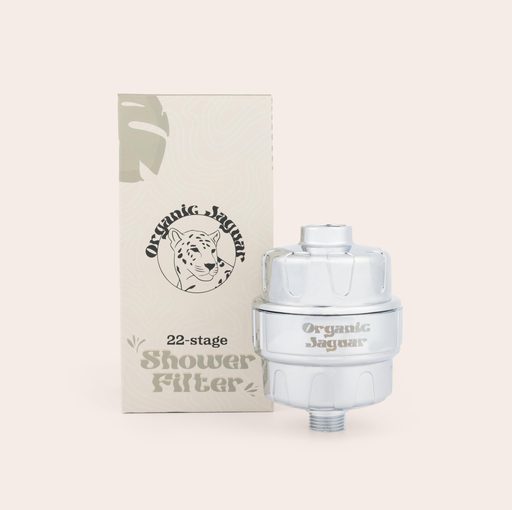
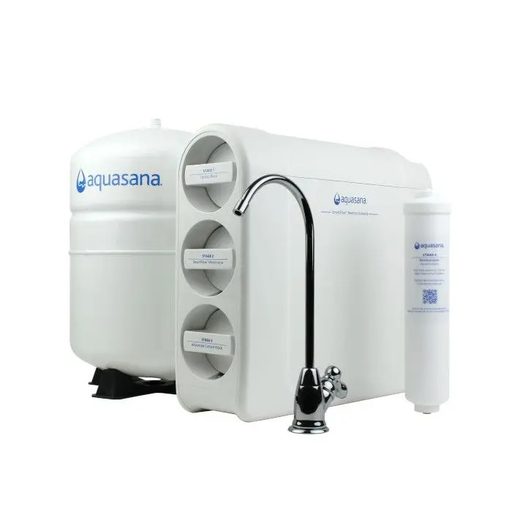
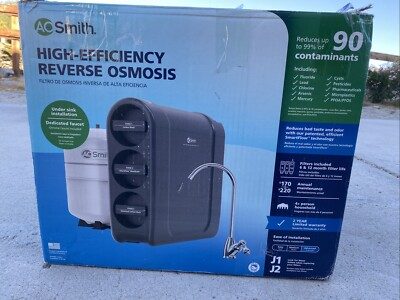
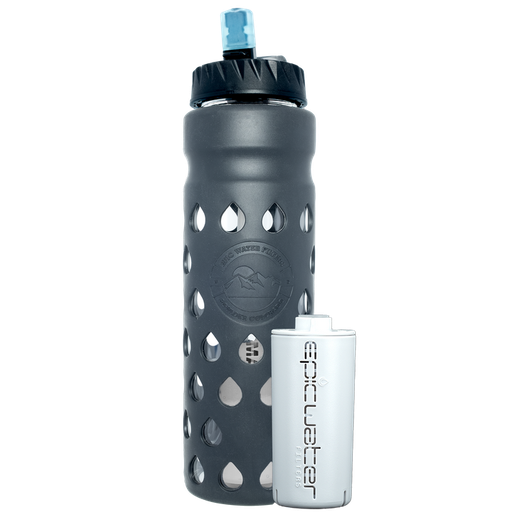
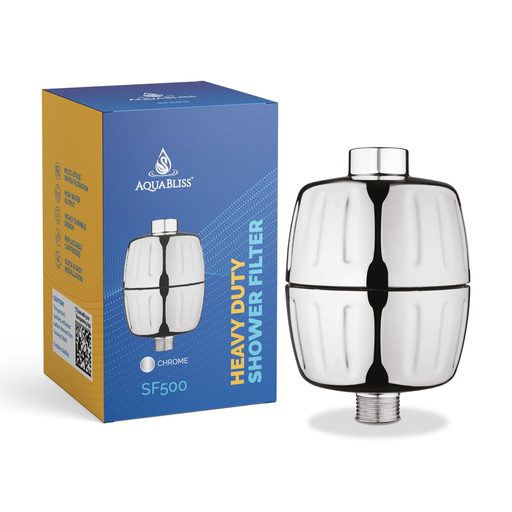
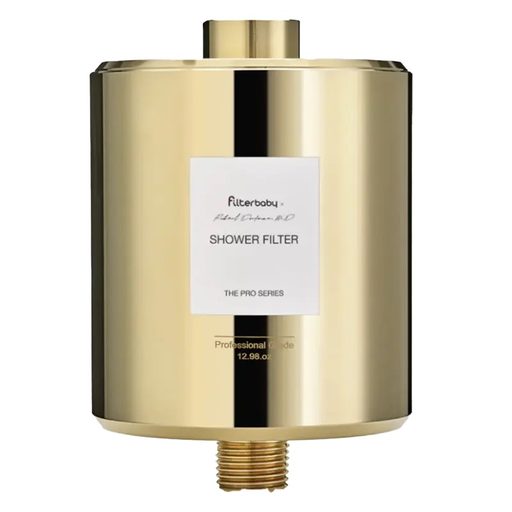
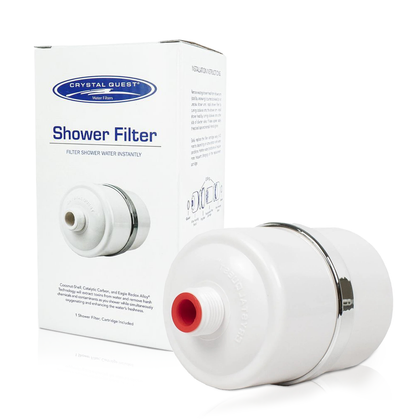

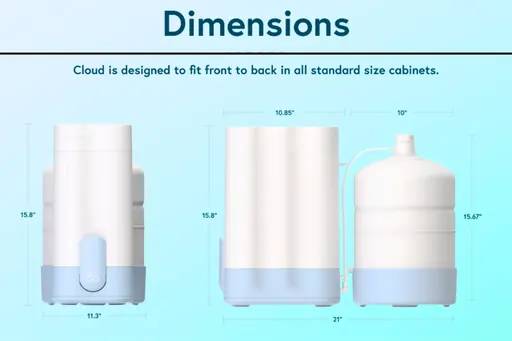
+ 23 more products in the Scout app
Scan any product to see every ingredient explained — and healthier swaps.
Download on theApp Store GET IT ONGoogle Play