
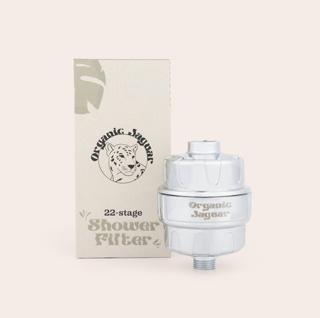
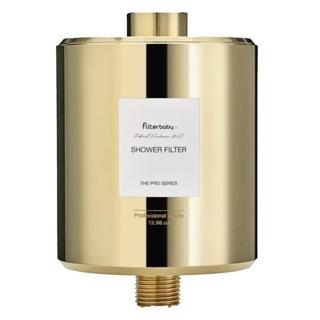
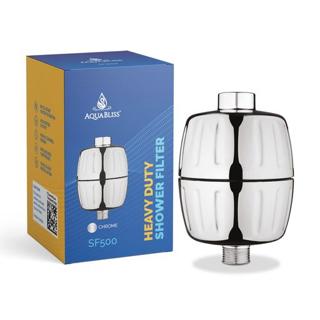
Dermazen Zenflow Purifying Showerhead
At a glance
Summary
Dermazen Zenflow Purifying Showerhead scores 60/100 for water filtration performance. 5 contaminants effectively filtered.
Key ingredients 13
ChlorineGood
The filter effectively reduces chlorine, which is known to irritate the skin and hair. The reduction is estimated to be over 60%.
See more about Chlorine →ChloramineGood
The filter is designed to remove chloramine, a compound that can cause skin irritation. The reduction is estimated to be over 60%.
See more about Chloramine →Heavy MetalsGood
The filter claims to reduce heavy metals such as lead, mercury, nickel, and cadmium by over 60%, which is crucial for preventing skin and health issues.
See more about Heavy Metals →SedimentGood
The filter is effective at reducing sediment, which can affect water quality and skin health, with an estimated reduction of over 60%.
See more about Sediment →TrihalomethanesGood
The filter is reported to reduce trihalomethanes, which are harmful byproducts of chlorine disinfection, by over 60%.
See more about Trihalomethanes →MicroplasticsNeutral
No tests were conducted specifically for microplastics, but the filter's technology suggests a reasonable reduction estimate of around 40%.
See more about Microplastics →PFASNeutral
No tests were conducted for PFAS, but based on the filter's capabilities, a reduction of approximately 30% is estimated.
See more about PFAS →FluorideNeutral
No specific data is available for fluoride reduction, but it is estimated to be around 20% based on similar filter technologies.
See more about Fluoride →VOCsNeutral
No tests were conducted for VOCs, but a reduction of approximately 30% is estimated due to the activated carbon component.
See more about VOCs →PharmaceuticalsNeutral
No tests were conducted for pharmaceuticals, but a reduction of approximately 20% is estimated based on the filter's technology.
See more about Pharmaceuticals →PesticidesNeutral
No tests were conducted for pesticides, but a reduction of around 20% is estimated based on similar filtration methods.
See more about Pesticides →HerbicidesNeutral
No tests were conducted for herbicides, but a reduction of approximately 20% is estimated based on the filter's capabilities.
See more about Herbicides →NitratesBad
The filter does not specifically target nitrates, resulting in a reduction of less than 20%.
See more about Nitrates →Get the full breakdown in the Scout appTake Scout shopping
Scan any product to see lab results, healthy alternatives, and your personalized analysis.
Download on theApp Store GET IT ONGoogle Play