
Ingredient · Updated
Cultured wheat
Found in 1 product
What is Cultured wheat?
Cultured wheat is a natural preservative derived from wheat flour that has been fermented with specific strains of bacteria, usually lactic acid bacteria. This fermentation process creates compounds that inhibit the growth of mold and extend the shelf life of baked goods.
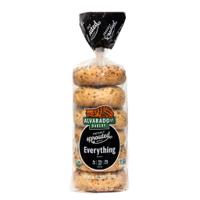
It is used in products like breads, bagels, and muffins where it serves as an alternative to artificial preservatives. The health evidence suggests cultured wheat is generally considered safe for consumption. Since it is derived from wheat, it is not suitable for individuals with gluten sensitivity or celiac disease.
When you see cultured wheat on a label, it's good to recognize it as a clean-label preservative, popular in natural and organic foods. However, if you're managing gluten intake, this is an important ingredient to note.
Commonly found in: breads, bagels, muffins, pastries
What to watch
- Not suitable for individuals with gluten intolerance or celiac disease as it is derived from wheat.
Benefits
- Offers a natural alternative to synthetic preservatives in baked goods.
Cultured wheat is generally recognized as safe (GRAS) for use as a natural preservative.
Studies indicate that it's effective in prolonging the shelf life of baked products without artificial additives.
Cultured wheat is plant-derived and typically accepted as vegan.
Sources: Guidance for Industry: Ingredients Declared as GRAS
Scout's take
Cultured wheat is used as a natural preservative and can improve the shelf life of baked goods. It is created through fermentation, which can enhance the nutritional profile by increasing the availability of certain nutrients. This ingredient is beneficial for maintaining product freshness without artificial preservatives.
All 1 product with Cultured wheat
Where Cultured wheat shows up
- Bagels & Muffins 1 product
Scan any product to see every ingredient explained — and healthier swaps.