
Ingredient
Cuminaldehyde
What is Cuminaldehyde?
Cuminaldehyde is an organic compound that gives cumin its distinct aroma. It is found naturally in the essential oil of cumin seeds and is typically extracted from the seeds through steam distillation or solvent extraction.
This compound is primarily used as a flavoring agent in foods, particularly in spice mixes and ethnic cuisines. While some studies highlight its potential antimicrobial and antioxidant properties, the evidence is preliminary and more research is needed to confirm these effects in humans.
When you see cuminaldehyde on a label, it is most likely being used to enhance the taste profile of the product, especially those aiming for a warm, spicy flavor characteristic of cumin.
Commonly found in: spice blends, seasonings, sauces, marinades, ethnic cuisines
Benefits
- May have antioxidant properties that help in reducing free radicals.
- Potential antimicrobial effects observed in laboratory settings.
Cuminaldehyde is considered safe for use as a flavoring agent in food without specific restrictions.
Research shows potential health benefits, but findings are not yet conclusive due to limited human studies.
Cuminaldehyde is plant-derived and considered vegan-friendly.
Sources: Everything Added to Food in the U.S. (EAFUS): Cuminaldehyde
Scout's take
Primary volatile compound in cumin; antimicrobial, anti-inflammatory, and supports digestive enzyme activity
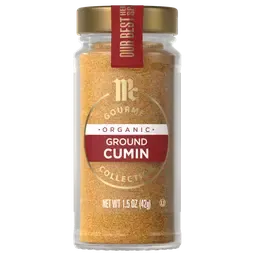
Found in 1 product
Scan any product to see every ingredient explained — and healthier swaps.
Download on theApp Store GET IT ONGoogle Play