
Ingredient
Ethanol (Alcohol)
What is Ethanol (Alcohol)?
Ethanol, commonly known as alcohol, is a colorless liquid derived from fermentation of sugars by yeasts. It is produced naturally during the fermentation process and can also be synthetically produced in industry.
It is primarily used in beverages such as beer, wine, and spirits. Ethanol acts as a central nervous system depressant and is consumed for its psychoactive effects. While moderate consumption is considered socially acceptable and even beneficial by some studies, excessive intake is linked to various health issues like liver damage and addiction.
When seeing ethanol on a label, it's often associated with alcoholic beverages, but it can also be used as a solvent in some non-food products.
Commonly found in: Beer, Wine, Spirits, Sanitizers, Cough Syrups
What to watch
- Excessive consumption is linked to liver disease.
- Alcohol abuse can lead to addiction and other mental health issues.
- May impair cognitive and motor functions during consumption.
Benefits
- Moderate consumption is associated with some cardiovascular benefits.
Ethanol is regulated due to its toxic effects at high doses and requires specific labeling and warnings.
Research shows potential cardiovascular benefits in moderation but significant harm with excessive consumption.
Ethanol is not derived from animals and is generally considered vegan.
Scout's take
Classified by WHO's IARC as a Group 1 carcinogen — definitively known to cause cancer in humans. Even moderate alcohol consumption is causally linked to cancers of the breast, colon, esophagus, larynx, liver, and oropharynx. There is no safe level of alcohol consumption per the WHO (2023).
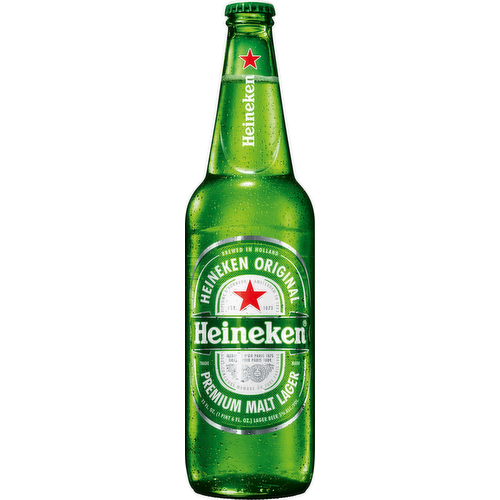
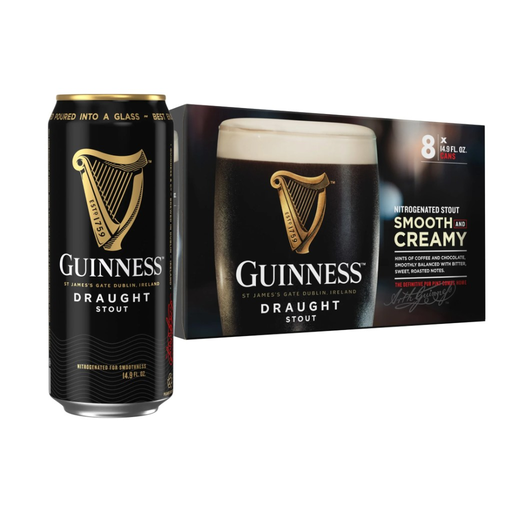
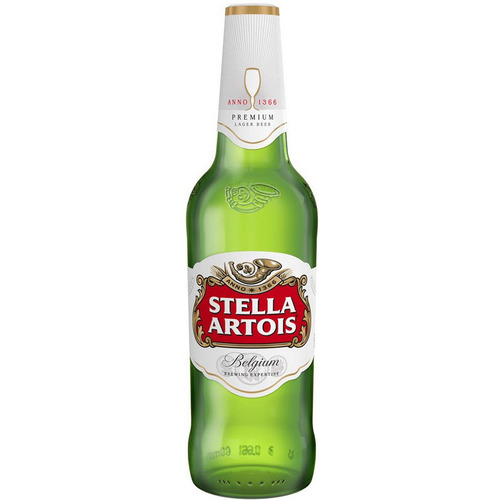
Found in 7 products
Scan any product to see every ingredient explained — and healthier swaps.
Download on theApp Store GET IT ONGoogle Play