
Ingredient
Flash-Frozen at Sea
What is Flash-Frozen at Sea?
Flash-frozen at sea refers to the process of freezing seafood immediately after being caught, while still on the fishing vessel. The process involves rapidly lowering the temperature of the seafood to preserve freshness and nutritional quality.
This method is used to maintain the texture, flavor, and nutritional value of seafood, as it prevents the formation of large ice crystals that can damage cells. There is currently no evidence to suggest any health risks associated with consuming seafood that has been flash-frozen at sea.
When you see 'flash-frozen at sea' on a label, it indicates that the seafood has been processed shortly after harvest, which generally maintains its quality until it reaches consumers.
Commonly found in: fish fillets, shellfish, seafood mixes
Benefits
- Helps preserve the nutritional quality of seafood.
- Maintains the texture and flavor of seafood until consumed.
The FDA does not regulate the term 'flash-frozen at sea,' but recognizes freezing as a safe method for preserving seafood quality.
Research supports the efficacy of flash-freezing in preserving the quality and nutritional value of seafood.
As this involves seafood, flash-frozen at sea is not suitable for a vegan diet.
Sources: Seafood Health Facts
Scout's take
Immediate freezing preserves omega-3 integrity and freshness
More from Scout's analyses
Immediate freezing locks in peak freshness and omega-3 integrity at point of harvest
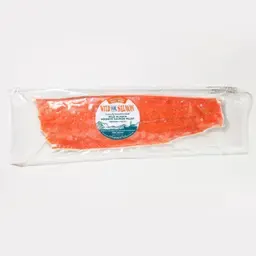
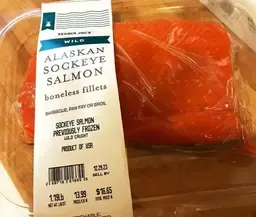
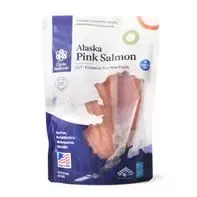
from the analysis of Bristol Bay Alaska Wild Caught Sockeye SalmonFound in 3 products
Scan any product to see every ingredient explained — and healthier swaps.
Download on theApp Store GET IT ONGoogle Play