
Ingredient
Krill Oil
What is Krill Oil?
Krill oil is derived from tiny crustaceans called krill, commonly found in the cold waters of the Antarctic Ocean. It is rich in omega-3 fatty acids, particularly EPA and DHA, which are considered essential nutrients for human health.
Krill oil is primarily used as a dietary supplement to support heart health, brain function, and joint comfort. Some studies suggest that the phospholipid form of omega-3 in krill oil may lead to better absorption compared to other forms like fish oil, but evidence is mixed.
When shopping for krill oil, it's important to consider sustainability as overfishing can impact krill populations, which are crucial for the marine ecosystem.
Commonly found in: Dietary supplements, Functional foods, Nutritional bars, Capsules
What to watch
- Krill oil may cause allergic reactions in individuals with shellfish allergies.
- High doses of krill oil might interact with blood-thinning medications.
Benefits
- Contains omega-3 fatty acids, which are beneficial for heart health.
- May help to reduce inflammation in the body.
Krill oil is not specifically regulated by the FDA but is generally recognized as safe (GRAS) for use in supplements.
Some studies indicate superior absorption of omega-3 from krill oil, but overall health benefits compared to fish oil are still under investigation.
Krill oil is animal-derived, so it is not suitable for vegans.
Sources: Krill Oil
Scout's take
Krill Oil delivers omega-3s as phospholipids — higher bioavailability than triglyceride form. Krill's low position in the food chain means minimal heavy metal accumulation, plus natural astaxanthin antioxidant.
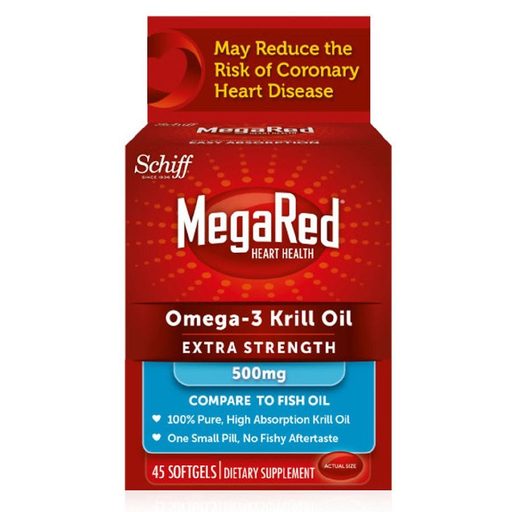
Found in 1 product
Scan any product to see every ingredient explained — and healthier swaps.
Download on theApp Store GET IT ONGoogle Play