
Ingredient
Lower Omega-3 vs Red Salmon
What is Lower Omega-3 vs Red Salmon?
Lower Omega-3 vs Red Salmon typically refers to the difference in omega-3 fatty acid levels between different types of salmon. Wild-caught red salmon (such as Sockeye) tends to have higher omega-3 content compared to farmed or less fatty salmon varieties.
Omega-3 fatty acids are essential nutrients known for supporting heart health, brain function, and reducing inflammation. Consumers might consider omega-3 levels when choosing salmon based on dietary needs and preferences.
When seeing 'Lower Omega-3' on a label, it suggests a comparison to other salmon types, particularly for consumers interested in optimizing their intake of omega-3s.
Commonly found in: Fresh seafood, Frozen seafood, Canned salmon, Smoked salmon
What to watch
- Lower omega-3 content means reduced intake of essential fatty acids when compared to high omega-3 options like Red Salmon.
Benefits
- Still provides a good source of lean protein and essential nutrients found in seafood.
The FDA does not regulate omega-3 claims specific to types of salmon but promotes seafood as part of a healthy diet.
Research supports omega-3's benefits; however, the exact impact of different salmon types varies with fish diet and environment.
Salmon is not vegan, being an animal-derived product; plant-based sources are alternatives for omega-3s.
Sources: Fish: Health Benefits, Warnings, and Recommendations
Scout's take
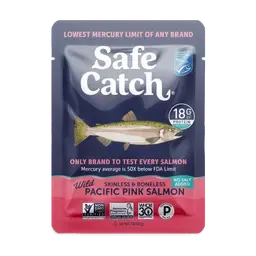
Pink salmon has lower fat content than sockeye or king; fewer omega-3s per serving
Found in 1 product
Scan any product to see every ingredient explained — and healthier swaps.
Download on theApp Store GET IT ONGoogle Play