
Ingredient
Microplastic Accumulation
What is Microplastic Accumulation?
Microplastic accumulation refers to the build-up of tiny plastic particles, typically less than 5mm in diameter. These microplastics are created by the breakdown of larger plastic items, shedding from synthetic textiles, or as microbeads used in some products. They are pervasive in the environment, including in oceans, where they can end up in seafood.
Microplastics are found in various ecosystems, and their ingestion by marine life is an increasing concern. Some studies have shown that they can accumulate in seafood, which may then be consumed by humans. The health effects of microplastic consumption are still under investigation, with concerns focusing on potential toxicological effects and the transfer of persistent organic pollutants.
When microplastic accumulation is noted on a label, it's an indication of environmental contamination rather than an added ingredient. Awareness of its presence in seafood can be important for consumers concerned about ecosystem health and potential risks associated with ingestion.
Commonly found in: Seafood, Aquatic environments, Water sources
What to watch
- Microplastics can carry and release toxic substances, potentially leading to health concerns.
- Ingestion of microplastics by marine life can affect seafood quality and safety.
The FDA has not set specific regulations for microplastics but monitors research on potential health impacts.
Research on the health impacts of microplastic ingestion is ongoing, with some evidence suggesting potential risks but no consensus yet.
Microplastics are not animal-derived; however, their presence in the environment is a concern for ecosystem and marine life.
Sources: Microplastics in seafood and the implications for human health · Microplastic pollution in oceans and its impacts on marine biodiversity
Scout's take
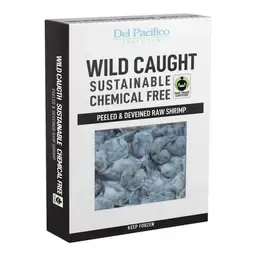
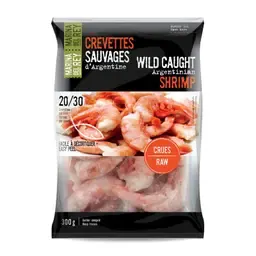
Shrimp filter ocean water; even South Atlantic shrimp have documented microplastic exposure
More from Scout's analyses
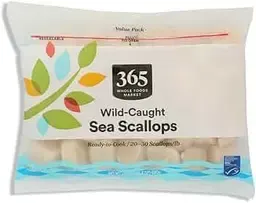
Bivalves are filter feeders; even wild scallops concentrate microplastics from ocean water
from the analysis of 365 Wild Caught Sea ScallopsShrimp are filter feeders; wild ocean environment increases microplastic ingestion risk
from the analysis of Del Pacifico Seafoods Wild Caught Peeled & Deveined Raw ShrimpFound in 3 products
Scan any product to see every ingredient explained — and healthier swaps.
Download on theApp Store GET IT ONGoogle Play