
Ingredient
Microplastic Shedding
What is Microplastic Shedding?
Microplastic shedding refers to the release of tiny plastic particles, typically smaller than 5 millimeters, from larger plastic products. These particles can shed from materials like textiles, containers, or any plastic item over time through wear and tear or washing.
Microplastic shedding is a concern in reusable storage containers and various consumer goods because these particles can end up in food, water, and the broader environment. The health implications are still being studied, but concerns include potential toxicity and the introduction of plastic into food chains. Current evidence does not conclusively link ingestion of microplastics to specific health outcomes, although ongoing research continues to examine their impact.
When you see labels concerning microplastic shedding, it may indicate an effort by manufacturers to minimize or manage the release of these particles through improved materials or design.
Commonly found in: Reusable storage containers, Plastic textiles, Household plastic products
What to watch
- Microplastic shedding can lead to ingestion of plastic particles through food or water.
- There is concern about potential toxicity from chemical additives in microplastics.
The FDA monitors microplastic presence in food products but has no specific regulations yet focused on microplastic shedding.
Studies on health effects of microplastic ingestion are ongoing, with some evidence of possible risks but no definitive conclusions.
Microplastic shedding is not associated with animal-derived materials, aligning with vegan considerations.
Scout's take
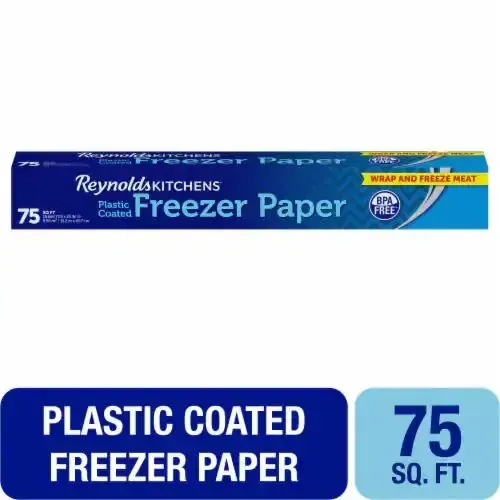
Studies document measurable microplastic release from Reynolds freezer bags during normal use
Found in 1 product
Scan any product to see every ingredient explained — and healthier swaps.
Download on theApp Store GET IT ONGoogle Play