
Ingredient
Milk & Cream (Grass-fed)
What is Milk & Cream (Grass-fed)?
Milk & Cream (Grass-Fed) refer to dairy products sourced from cows that primarily feed on grass rather than grain. This feeding practice can influence the nutritional profile of the milk and cream, potentially leading to higher levels of certain beneficial fatty acids.
Grass-fed milk and cream are used in a variety of food products, particularly in dairy-rich items like ice cream, cheeses, and creams. Some studies suggest that grass-fed dairy might have an improved omega-3 to omega-6 ratio compared to conventional dairy, but evidence on specific health benefits remains mixed.
When you see Grass-Fed Milk & Cream on a label, it may suggest a more natural or traditional farming approach, often marketed for its potential ecological benefits and perceived better nutritional profile.
Commonly found in: Ice Cream, Cheeses, Creams, Yogurts, Butter, Confectionery
Benefits
- Grass-fed cow's milk may contain higher levels of omega-3 fatty acids and conjugated linoleic acid (CLA) compared to grain-fed cow's milk.
Milk from grass-fed cows is considered generally recognized as safe (GRAS) by the FDA for use in dairy products.
Some studies suggest nutritional benefits from grass-fed dairy, but overall evidence on significant health improvements is mixed.
As a traditional animal-derived product, it is not suitable for vegans.
Sources: GRAS Notices
Scout's take
Grass-fed dairy providing calcium (220mg/serving, 15% DV), fat-soluble vitamins, and a superior fatty acid profile with higher CLA and omega-3 content than conventional dairy. The base of a traditional French ice cream.
Found in 2 products
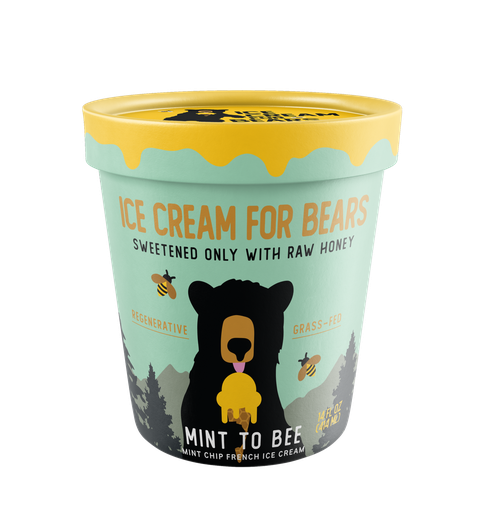
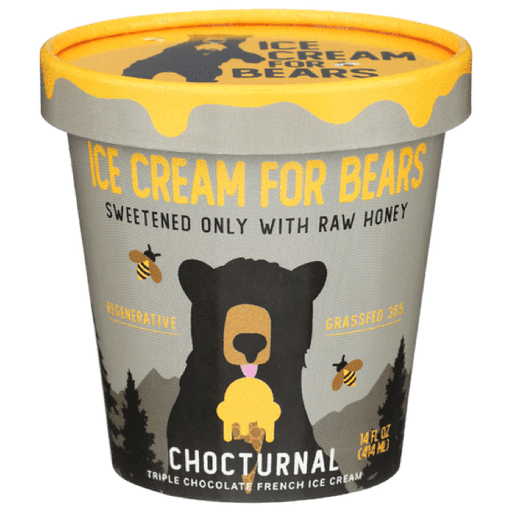
Scan any product to see every ingredient explained — and healthier swaps.
Download on theApp Store GET IT ONGoogle Play