
Ingredient
Non-homogenized grade a milk
What is Non-homogenized grade a milk?
Non-homogenized Grade A milk is milk that has not been processed to break down fat molecules, leaving the cream to naturally rise to the top. It retains its natural fat content, with a layer of cream forming at the top if not shaken.
It is used for its richer taste and texture, preferred by some for its perceived naturalness. There is no strong health consensus about the benefits or risks of milk homogenization, with some preferring non-homogenized milk for philosophical or taste reasons.
On a label, non-homogenized Grade A milk indicates that the milk has retained its natural state without undergoing the homogenization process, which some consumers choose for specific dietary or taste preferences.
Commonly found in: drinks, cereal, baking, coffee, tea, cooking
Benefits
- Provides a natural source of calcium and vitamin D.
- May contain more intact milk proteins and fats due to lack of homogenization.
Non-homogenized Grade A milk is approved by the FDA and must meet standard pasteurization and safety guidelines.
Research is mixed on the health impacts of homogenization; no conclusive evidence shows non-homogenized milk is healthier.
Being an animal-derived product, non-homogenized milk is not considered vegan.
Sources: Grade A Pasteurized Milk Ordinance · Milk: Nutrition and Recent Research
Scout's take
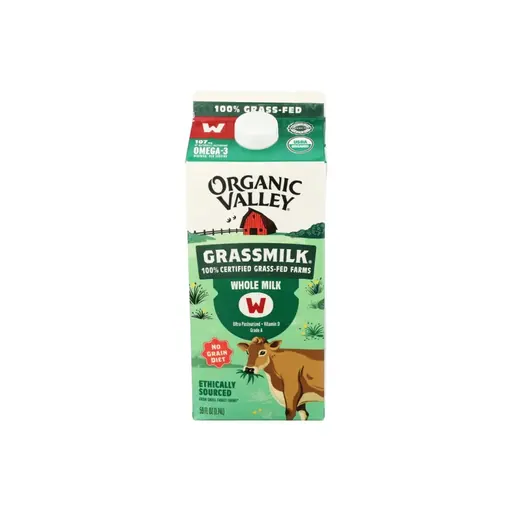
Non-homogenized grade A milk is a minimally processed dairy product that retains its natural fat structure. Being organic and grass-fed, it is likely to contain higher levels of omega-3 fatty acids and CLA, which are beneficial for heart health. The lack of homogenization means the cream rises to the top, preserving the milk's natural state and potentially enhancing nutrient absorption.
Found in 1 product
Scan any product to see every ingredient explained — and healthier swaps.
Download on theApp Store GET IT ONGoogle Play