
Ingredient · Updated
Oleic/linoleic/linolenic Polyglycerides
Found in 3 products
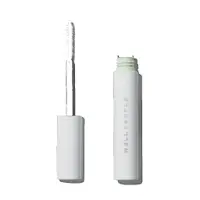
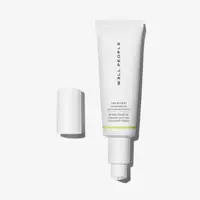
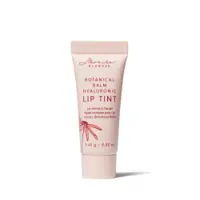
What is Oleic/linoleic/linolenic Polyglycerides?
Oleic/linoleic/linolenic polyglycerides are a type of polyglyceride, which are compounds made by reacting glycerol with fatty acids. The fatty acids involved are oleic, linoleic, and linolenic acids. This process usually results in a multi-functional ingredient that can act as an emulsifier or stabilizing agent in various formulations.
These polyglycerides are commonly used in cosmetics and skincare products, such as lip care and makeup, to improve the texture and stability of the products. Current research indicates that they are generally considered safe for topical use, but there is limited information on their long-term health effects.
When you see oleic/linoleic/linolenic polyglycerides on a cosmetic product label, it typically suggests that the product is designed for improved feel and stability. While there's no significant evidence of risk, it's always prudent to test for any personal reactions if you have sensitive skin.
Commonly found in: Lip Care, Makeup, Moisturizers, Sunscreen, Hair Styling Products
Oleic/linoleic/linolenic polyglycerides are generally recognized as safe (GRAS) for use in cosmetics, with no specific restrictions or required warnings.
Research on topical safety is positive, but limited in scope regarding long-term effects.
These polyglycerides are typically derived from plant sources, making them generally acceptable in vegan formulations.
Sources: Cosmetic Ingredient Review Expert Panel Safety Assessment
Scout's take
Fatty-acid emollient / emulsifier — conditions skin, low concern.
The case against
Potential for mild skin irritation in sensitive individuals.
from the analysis of Monika Blunder Beauty Botanical Balm Hyaluronic Lip TintThe case for
They enhance the stability and moisturizing properties of the product.
from the analysis of Monika Blunder Beauty Botanical Balm Hyaluronic Lip TintMore from Scout's analyses
These compounds are used as emulsifiers and skin conditioning agents. They help to blend oil and water components in formulations. They are derived from natural fatty acids and are considered safe.
from the analysis of Monika Blunder Beauty Botanical Balm Hyaluronic Lip TintAll 3 products with Oleic/linoleic/linolenic Polyglycerides
Where Oleic/linoleic/linolenic Polyglycerides shows up
Scan any product to see every ingredient explained — and healthier swaps.