
Ingredient · Updated
Pink Salt
Found in 1 product
What is Pink Salt?
Pink salt, commonly known as Himalayan salt, is a naturally occurring mineral salt sourced primarily from the Khewra Salt Mine in Pakistan. Its pink color comes from trace minerals such as magnesium, potassium, and calcium.
Pink salt is used mainly as a culinary seasoning and for decorative purposes, such as in salt lamps. While some claim it offers health benefits due to its mineral content, the evidence is mixed. Most of these trace minerals are present in insufficient amounts to have a significant impact on health.
When you see pink salt listed on a product label, it is essentially functioning the same as regular table salt but may add visual appeal or a different texture.
Commonly found in: Gourmet foods, Salt lamps, Spa treatments, Bath salts, Cooking seasonings
What to watch
- Like regular salt, excessive consumption of pink salt can contribute to high blood pressure.
Benefits
- Contains trace minerals that are not found in regular table salt.
The FDA considers it a conventional salt product and does not regulate it differently from other mineral salts.
Research suggests that while it contains additional minerals, the health benefits compared to regular salt are minimal.
Pink salt is mineral-based and considered vegan-friendly.
Scout's take
Pink salt is a mineral-rich salt that contains trace elements not found in regular table salt. It is less processed and can add flavor to foods. However, it should be used in moderation to avoid excessive sodium intake.
The case against
Excessive consumption can lead to high sodium intake, affecting blood pressure.
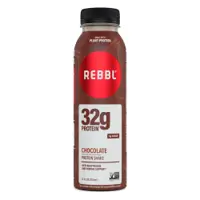
from the analysis of REBBL 32g Chocolate Protein ShakeThe case for
Contains trace minerals that may offer additional health benefits compared to regular salt.
from the analysis of REBBL 32g Chocolate Protein ShakeAll 1 product with Pink Salt
Where Pink Salt shows up
- Protein Powders 1 product
Scan any product to see every ingredient explained — and healthier swaps.