
Ingredient
Polyester + Polyethylene + Polypropylene
What is Polyester + Polyethylene + Polypropylene?
Polyester, polyethylene, and polypropylene are synthetic polymers used in a variety of applications. Polyester is made from the polymerization of ethylene glycol and terephthalic acid, polyethylene from polymerizing ethylene, and polypropylene from polymerizing propylene.
In feminine care products, these materials are often used in components like the backsheet or packaging due to their durability and moisture-resistant properties. There is limited health evidence specifically related to their use in feminine care products, but in general, they are considered safe for use in contact with skin.
When you see these on a label, they generally refer to non-absorbent components of the product. It's a common feature in products where moisture control and durability are important.
Commonly found in: feminine care products, packaging, protective coatings, fabric materials, plastic components
What to watch
- There are environmental concerns related to the non-biodegradability of these synthetic materials.
The FDA does not specifically regulate these polymers in feminine care products, but they are generally recognized as safe when used appropriately.
Research suggests these materials are safe for commercial use, but concerns exist about their environmental impact as non-biodegradable substances.
These materials are synthetic and not derived from animals, aligning with vegan values.
Sources: Overview of Synthetic Polymers
Scout's take
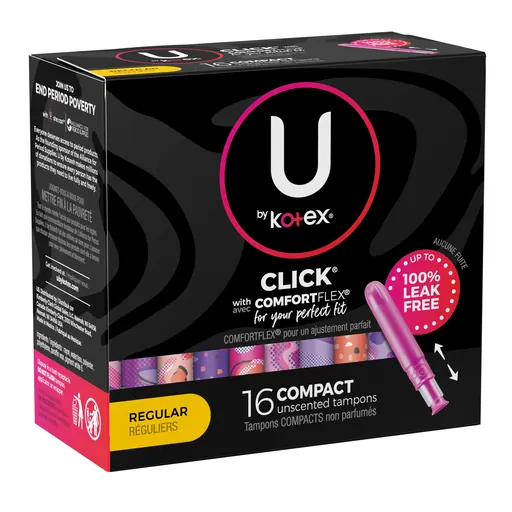
Three different synthetic plastic materials in the tampon body — polyester thread, polyethylene for smooth removal, and polypropylene fibers. Multiple synthetics in prolonged vaginal mucosal contact where organic cotton alone would suffice.
Found in 1 product
Scan any product to see every ingredient explained — and healthier swaps.
Download on theApp Store GET IT ONGoogle Play