
Ingredient
Roman beans
What is Roman beans?
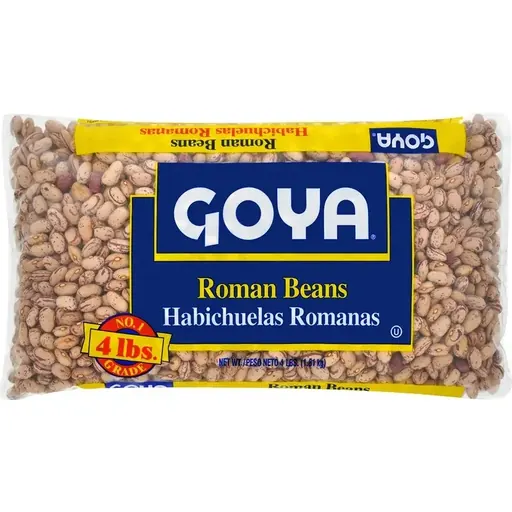
Roman beans, also known as cranberry beans, are a type of legume that shares similarities with the more commonly known kidney bean. They are typically harvested in pods and can be used fresh or dried. The drying process helps in preserving their nutritional value as they can be stored and used throughout the year.
Roman beans are known for their high protein and fiber content, making them a popular choice for those looking to add plant-based protein to their diet. They also contain essential vitamins and minerals such as iron and folate. Health studies suggest a diet rich in legumes like Roman beans can support heart health and assist in maintaining blood sugar levels.
When you see Roman beans on a label, it generally indicates a wholesome ingredient that can contribute to a balanced diet. However, as with other legumes, they may cause digestive discomfort for some people if not properly cooked.
Commonly found in: soups, stews, salads, casseroles, dips
What to watch
- May cause digestive discomfort if not properly cooked.
Benefits
- Rich source of plant-based protein and fiber.
- Contains essential vitamins and minerals like iron and folate.
Roman beans are generally recognized as safe (GRAS) by the FDA.
Studies indicate they can support heart health and help maintain blood sugar levels.
Roman beans are plant-based and suitable for vegan diets.
Scout's take
Roman beans are a good source of plant-based protein and dietary fiber. They are minimally processed and retain most of their natural nutrients. Compared to other legumes, they offer a balanced nutrient profile with low fat content.
Found in 1 product
Scan any product to see every ingredient explained — and healthier swaps.
Download on theApp Store GET IT ONGoogle Play