
Ingredient · Updated
Sodium Polyphosphate
Found in 3 products


What is Sodium Polyphosphate?
Sodium polyphosphate is a type of phosphate compound commonly used as a food additive. It is produced by combining sodium salts with orthophosphoric acid, resulting in a range of polymers with varying chain lengths and properties.
In food products, sodium polyphosphate serves multiple functions including acting as an emulsifier, stabilizer, and thickener. It helps retain moisture, maintains texture, and improves the quality of processed foods like meats and seafood. Current research on sodium polyphosphate indicates that it is generally considered safe for consumption in standard amounts used in food production, though excessive intake of phosphates has raised some health concerns related to calcium metabolism.
When you see sodium polyphosphate on a label, it typically implies the product benefits from improved texture and preservation. However, as with many additives, balancing consumption with a diverse diet is advisable.
Commonly found in: processed meats, seafood products, dairy alternatives, baked goods
What to watch
- High intake of phosphates may affect calcium absorption and bone health.
- Excess phosphates in the diet have been associated with cardiovascular issues in some studies.
Benefits
- Improves texture and moisture retention in processed foods.
The FDA considers sodium polyphosphate as Generally Recognized As Safe (GRAS) when used appropriately in food.
Research highlights its utility in food processing but notes potential issues with high phosphate intake impacting bone and cardiovascular health.
Sodium polyphosphate is synthetically derived and generally considered suitable for vegan diets.
EFSA provides guidelines on total dietary phosphorus intake due to potential health concerns with excessive phosphate consumption.
Sources: Generally Recognized as Safe (GRAS) · Phosphates Added for Safety or Quality Reasons
Scout's take
Sodium polyphosphate is used as an emulsifier and stabilizer in processed foods. It is a synthetic additive that can contribute to an increased intake of phosphates. High phosphate levels can be harmful to kidney health.
The case against
May contribute to imbalanced phosphate levels, potentially affecting kidney function.
from the analysis of Splash Blast SPLASH WATER BEVERAGEMore from Scout's analyses
Industrial phosphate emulsifier/preservative. Excess phosphate intake from processed foods is associated with cardiovascular and kidney concerns.
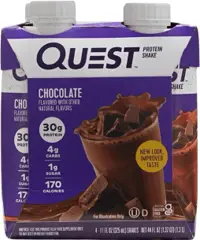
from the analysis of Quest Protein Shake ChocolateThis additive is used as a preservative and stabilizer, generally recognized as safe in small quantities.
from the analysis of Quest High Vanilla Protein MilkshakeAll 3 products with Sodium Polyphosphate
Where Sodium Polyphosphate shows up
- Protein Powders 2 products
- Hydration 1 product
Higher-scoring picks without Sodium Polyphosphate
Products from the same categories whose analyzed ingredient list does not include Sodium Polyphosphate, scoring 80 or above.

Scan any product to see every ingredient explained — and healthier swaps.