
Ingredient
Sorghum Flour
What is Sorghum Flour?
Sorghum flour is a grain-based flour made from grinding the whole grain kernels of the sorghum plant. It is considered a staple in many parts of the world, especially in Africa and Asia.
Sorghum flour is often used as a gluten-free alternative in baking and cooking. It has a mild, slightly sweet flavor and contributes to a chewy texture. Research suggests it may contain antioxidants and beneficial nutrients, but more studies are needed to confirm specific health benefits.
When you see sorghum flour on a label, it typically indicates a gluten-free substitute that can be used in a variety of recipes, though it may require binding agents like xanthan gum to mimic gluten's elasticity.
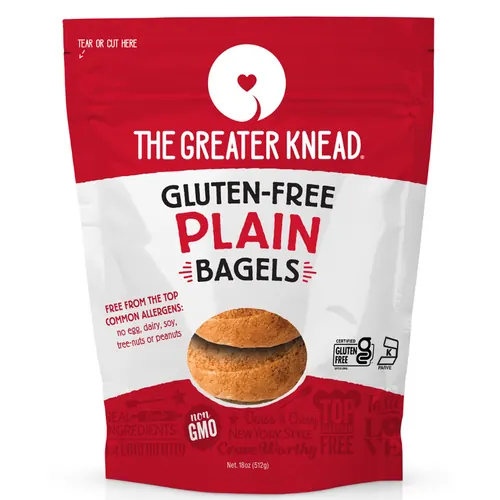
Commonly found in: gluten-free baking mixes, bagels, muffins, flatbreads, cookies, cakes
What to watch
- In some cases, it may not perform identically to wheat flour, affecting texture in baked goods.
Benefits
- Sorghum flour is naturally gluten-free, making it suitable for those with celiac disease.
- It contains fiber and essential nutrients like iron and phosphorus.
Sorghum flour is generally recognized as safe (GRAS) by the FDA.
Some studies point to potential health benefits like antioxidants, but further research is needed.
Sorghum flour is plant-derived and is generally accepted in vegan diets.
Sources: Overview of Sorghum Flour
Scout's take
Sorghum flour is a whole grain flour that is gluten-free and rich in nutrients. It contains fiber, protein, and antioxidants, contributing to its nutritional profile. It is a beneficial ingredient for adding nutritional value to gluten-free products.
More from Scout's analyses
Beneficial ingredient — whole-food or functional value in this product class.
from the analysis of Bee Keeper's Naturals Bee Propolis Throat SprayFound in 2 products

Scan any product to see every ingredient explained — and healthier swaps.
Download on theApp Store GET IT ONGoogle Play