
Ingredient
Soy Lecithin & Sunflower Lecithin
What is Soy Lecithin & Sunflower Lecithin?
Lecithin is a natural emulsifier derived typically from soybeans or sunflower seeds. It is a fatty substance obtained during the processing of these plants, often as a byproduct of oil extraction. Through methods like water degumming, lecithin is separated and purified for use in various products.
Lecithin is used for its ability to blend ingredients that usually don't mix well, like oil and water, ensuring a smooth texture in foods and cosmetics. Health evidence surrounding lecithin emphasizes its role as generally safe and well-tolerated, but some individuals with specific allergies may experience adverse reactions.
When checking food labels, note that lecithin can be an indication of allergen presence, particularly soy. Many products opt for sunflower lecithin to avoid this concern.
Commonly found in: Chocolate, Baked Goods, Dietary Supplements, Cosmetics, Dressings, Processed Foods
What to watch
- Soy lecithin may pose allergy concerns for those sensitive to soy products.
- Lecithin, especially from genetically modified sources, might raise sustainability or health discussions among consumers.
Benefits
- Lecithin provides a smoother texture in products without altering taste.
Lecithin is generally recognized as safe (GRAS) by the FDA for use in foods.
Studies show lecithin is well-tolerated, though benefits beyond emulsification need more evidence.
Lecithin from soy or sunflower is plant-derived, aligning with vegan dietary choices.
Sources: Food Additive Status List · Safety evaluation of food supplements
Scout's take
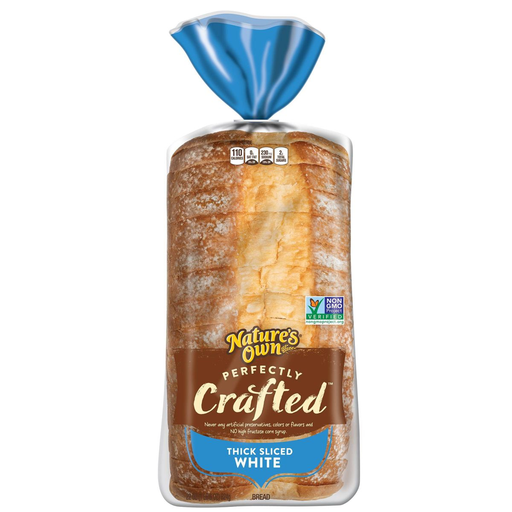
Two separate emulsifiers in a single bread — soy-based and sunflower-based. Double processing aids.
Found in 1 product
Scan any product to see every ingredient explained — and healthier swaps.
Download on theApp Store GET IT ONGoogle Play